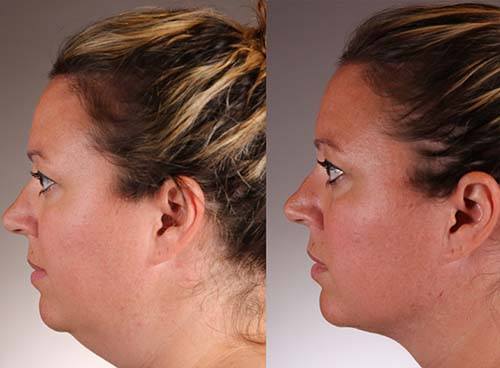
Addressing the Hormonal Impact on Skin Thickness During Menopause
The transition through perimenopause and menopause initiates profound, systemic biological changes throughout the female body. While much medical attention is rightly given to managing symptoms like temperature fluctuations, sleep disruption, and bone density changes, the dramatic impact on the skin’s structural integrity is frequently overlooked. Women often report a sudden and shocking acceleration in the visible ageing of their face, noting with distress that their skin has become noticeably thinner, drier, and significantly more fragile over a very short period. This rapid textural shift is not a mere coincidence of chronological ageing; it is a direct biological consequence of declining hormonal support, specifically the sharp and permanent drop in estrogen levels.
Estrogen acts as a powerful, essential biological regulator for maintaining a healthy, thick, and resilient dermal matrix. The skin is dense with estrogen receptors, and this hormone actively stimulates fibroblasts, the specialized cells entirely responsible for producing structural proteins and maintaining deep moisture levels. When estrogen levels plummet during menopause, this critical cellular stimulation ceases abruptly. Clinical studies demonstrate that women can lose up to thirty percent of their total dermal collagen in the first five years following menopause, with a continued, steady decline thereafter. This massive loss of internal structural support causes the skin to literally deflate, leading to deep wrinkling, pronounced sagging, and a fragile, crepe-like texture that cannot be fixed by drinking more water or constantly applying heavy moisturizers.
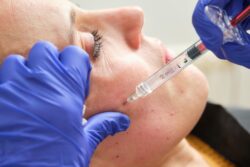
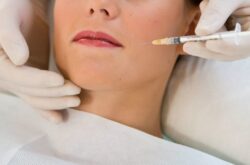
To effectively counteract this rapid biological decline, clinical intervention must occur at the cellular level. Because the body is no longer naturally signaling the fibroblasts to produce adequate support proteins, we must artificially create that essential signal. This is the precise function and primary benefit of advanced bio-stimulatory treatments. Unlike traditional dermal fillers that simply occupy space to temporarily mask a surface wrinkle, bio-stimulators work fundamentally differently. They trigger a mild, highly controlled inflammatory response deep within the dermal layer. The body interprets this specific stimulus as an urgent signal to repair tissue, rushing resources to the area and forcing the dormant fibroblasts to begin synthesizing fresh, new structural fibers.
Choosing an advanced protocol for collagen restoration Honolulu is a highly strategic and proven way to rebuild the skin’s thickness during and after this difficult hormonal transition. These specialized treatments often use carefully formulated micro-particles or focused energy delivery to safely heat and stimulate the deep tissues without damaging the fragile surface. When these bio-stimulators are introduced, they act as a temporary physical scaffold, actively encouraging the body’s own cells to lay down dense networks of new protein across the entire treated area. This biological process, known scientifically as neocollagenesis, directly compensates for the lack of estrogen-driven production, effectively forcing the skin to rebuild its lost foundation from the inside out.
The timeline for seeing the visible results of this cellular rebuilding process requires an understanding of human biology and a degree of patience. You are essentially asking your body to grow entirely new tissue, which takes time. In the initial weeks following a bio-stimulatory session, the skin may feel slightly firmer due to the immediate healing response, but the true structural changes happen gradually. Over the course of three to six months, the newly manufactured protein fibers mature, tighten, and organise themselves into a strong, highly resilient matrix. The thin, fragile appearance is slowly replaced by skin that is genuinely thicker, far more elastic, and vastly more capable of resisting the relentless downward pull of gravity.
The clinical data supporting bio-stimulatory therapies for menopausal skin is compelling precisely because the results are so enduring. Because you are physically replacing the lost structural protein with your body’s own natural tissue, the improvements last significantly longer than superficial cosmetic treatments. The newly formed matrix provides a permanent upgrade to the skin’s baseline health. While the chronological ageing process will inevitably continue, it will do so on a much stronger, heavily fortified foundation. By proactively managing the deep structural decline associated with hormonal changes, women can maintain a thick, healthy, and vibrant complexion well into their later decades, ensuring their outward appearance continues to reflect their enduring vitality and strength.
Conclusion
The rapid thinning of the skin during menopause requires a targeted biological response to replace lost structural proteins. Bio-stimulatory treatments effectively force your body to rebuild its own dermal foundation, restoring the thickness and resilience lost to hormonal changes.
Call to Action
Combat the visible effects of hormonal ageing by booking a consultation to discuss our advanced structural rebuilding therapies today.