Different Types of Swords: Straight, Curved, Rapier & Blades
Different Types of Swords: Straight, Curved, Rapier & Iconic Blades Explained
Swords have played a crucial role in human history, shaping warfare, culture, and craftsmanship across civilizations. From straight swords designed for precision to curved swords built for powerful slashing, each blade reflects a unique purpose and fighting style.
In this guide, we explore the different types of swords, including rapier swords, curved blades, and iconic historical weapons, while highlighting their design, function, and evolution.
Understanding the Main Types of Sword Blades
When studying the types of swords, one of the most important distinctions is blade shape. The difference between straight and curved swords directly affects how they are used in combat.
Straight Swords: Precision and Control
Straight swords are typically double-edged and optimized for thrusting attacks. Their linear design allows for accurate penetration, making them highly effective in duels and close combat.
Popular examples include:
-
Rapier sword – a long, narrow blade designed for fencing and dueling
-
Longsword – a versatile medieval weapon for both cutting and thrusting
-
Gladius sword – a short Roman blade used in tight formations
Straight blades are often associated with European and Chinese traditions, where control, balance, and technique are emphasized. These swords are ideal for precision strikes, fencing techniques, and controlled combat scenarios.
Curved Swords: Power and Fluid Motion
In contrast, curved swords are designed for slashing and slicing. The curvature enhances cutting efficiency by maintaining contact with the target during a swing.
Common types of curved swords include:
-
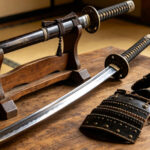
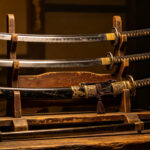
Katana – a Japanese sword known for sharpness and speed
-
Scimitar / shamshir – Middle Eastern blades with pronounced curvature
-
Chinese dao – a single-edged saber used for chopping and slashing
Curved blades are especially effective in mounted combat, where sweeping strikes are more practical. Their design allows for fast, powerful cuts with minimal resistance, making them highly efficient battlefield weapons.
Rapier Sword: The Icon of Precision Fighting
The rapier sword is one of the most recognizable weapons in European history. Emerging during the Renaissance, it became the preferred weapon for dueling and self-defense among nobility.
Key characteristics of a rapier include:
-
Long, slender blade
-
Complex hilt for hand protection
-
Emphasis on thrusting rather than cutting
The rapier represents the evolution of swordsmanship into a refined art, focusing on speed, agility, and precision attacks rather than brute القوة.
Today, it remains a symbol of classical fencing and elegant combat techniques.
Single-Edged vs Double-Edged Swords
Another important classification when discussing different sword types is the number of sharpened edges.
Single-Edged Swords
-
Examples: katana, dao, scimitar
-
Stronger blade structure
-
Ideal for slicing and chopping
Double-Edged Swords
-
Examples: longsword, rapier, jian
-
Sharpened on both sides
-
Better for thrusting and versatile combat
Single-edged swords tend to be more durable and easier to maintain, while double-edged blades offer greater versatility in attack angles and techniques.
Iconic Swords from Around the World
Throughout history, many swords have become legendary due to their design and cultural significance.
European Swords
-
Longsword
-
Rapier
-
Claymore
Asian Swords
-
Katana (Japan)
-
Jian (China)
-
Dao (China)
Middle Eastern Swords
-
Scimitar
-
Shamshir
Each of these iconic blades reflects the combat needs, materials, and traditions of its region, showcasing how sword design evolved across different cultures.
Why Sword Shape Matters
The design of a sword is never random—it directly influences performance:
-
Straight blades → better for thrusting and precision
-
Curved blades → optimized for slashing and cutting
-
Blade length & weight → determine speed and power
-
Hilt design → affects grip, safety, and control
Understanding these factors helps collectors, martial artists, and enthusiasts choose the right sword based on their needs.
Choosing the Right Sword Type
If you’re exploring different types of swords for collection or training, consider:
-
Purpose: display, martial arts, or historical interest
-
Blade type: straight vs curved
-
Weight and balance
-
Cultural style (Japanese, European, Chinese, etc.)
Whether you’re interested in a rapier sword for fencing, a katana for cutting practice, or a historical longsword replica, each option offers a unique experience.
Final Thoughts
The world of swords is vast and fascinating. From straight swords built for precision to curved blades designed for powerful strikes, each weapon tells a story of innovation and tradition.
By understanding the different types of swords—straight, curved, rapier, and iconic blades—you gain deeper insight into both history and craftsmanship, making it easier to appreciate and choose the perfect sword for your needs.
https://www.coolkatana.com/