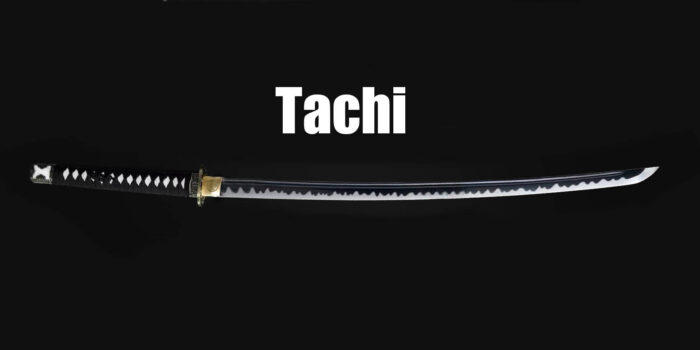
Explore the Tachi: The Oldest and Most Iconic Among Katana Sword Types
Among the various types of samurai sword, the Tachi holds a prestigious place as one of the earliest and most culturally significant Japanese blade weapons. If you’re diving into katana sword types or trying to understand what swords did samurai use, the Tachi is a perfect place to start—offering a unique look into samurai heritage, battlefield strategy, and traditional craftsmanship.
1. Tachi vs Katana — What Makes the Tachi Unique?
Many enthusiasts exploring different kinds of katanas often mistake the Tachi for a regular Katana. But key distinctions lie in their design, carry method, and historical application.
Carrying Position and Combat Role
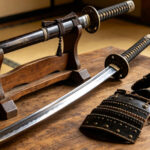
The Tachi was traditionally worn edge-down, hanging from a cord attached to armor—perfect for mounted samurai slashing from horseback. This ceremonial style marked it as the preferred weapon for elite warriors.
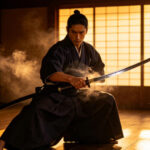
In contrast, the Katana is worn edge-up through the obi (belt), enabling quick-draw strikes and close-quarter tactics, particularly suited for later infantry roles.
Blade Curvature and Size
Tachi blades feature deeper curves and longer lengths, ideal for cavalry movement and sweeping cuts.
Modern katanas have a subtler curve, optimized for techniques like iaido, emphasizing speed and precision.
Historical Usage and Rise in Popularity
The Tachi dates back to the late Nara and Heian periods, reigning through the Kamakura era as the weapon of choice for mounted warriors.
The Katana only rose to dominance during the Sengoku and Edo periods, catering to ground-based samurai and urban enforcers, replacing the Tachi over time.
2. Samurai Sword Names and Legendary Tachi Blades
Each Tachi carried more than just physical strength—it bore identity and legend. Many iconic samurai sword names trace back to famed Tachi:
Onimaru Kunitsuna – said to repel evil spirits.
Kiku-ichimonji – symbolizing imperial favor with a chrysanthemum crest.
Dōji-giri Yasutsuna – a demon-slaying sword and part of the famed ‘Five Great Swords of Japan.’
These katana nicknames aren’t just decorative—they embody legend, honor, and swordsmith mastery, drawing both martial artists and collectors.
3. Key Parts of a Katana Found in the Tachi
To truly appreciate the Tachi, it’s essential to understand the parts of a katana and how they appear in this older form:
Ha (blade edge) – longer and deeply curved, suited for mounted slashing.
Tsuka (handle) – wrapped in ray skin and silk for grip and elegance.
Tsuba (guard) – highly ornate, balancing protection and decoration.
Saya (scabbard) – often lacquered, engraved with clan emblems or katana nicknames.
Hamon – the clay-tempered pattern revealing artistry and steel quality.
Tachi swords often bridge eras through transitional designs like Hishizukuri Uchigatana, blending Tachi grace with Katana practicality.
4. What Swords Did Samurai Use Besides the Tachi?
While the Tachi was crucial for mounted combat, samurai often carried a full trio of weapons:
Tachi – for cavalry and long-range slashing.
Wakizashi – a companion short sword used indoors or in ritual seppuku.
Tanto – a compact dagger for quick attacks and ceremonial use.
This set, often referred to as the Three Samurai Swords, illustrates the depth and function of different types of samurai sword across battlefield and daily life.
5. Tachi vs Naginata — Comparing Traditional Japanese Weapons
Alongside the Tachi, the naginata was another vital battlefield weapon, particularly favored by female warriors and monks. Here’s how they differ:
Tachi: built for solo combat, fast draw, and mounted strikes.
Naginata: polearm weapon for reach and crowd control.
Today, both weapons remain popular in martial arts and Japanese sword culture, with wooden naginata available for practice and ritual.
6. How Are Katanas Made? Traditional Sword Forging Techniques
Whether it’s a Tachi or a modern Katana, the forging process is revered for its complexity and precision:
Folding steel – refines metal by eliminating impurities.
Clay tempering – creates a hardened edge with a flexible spine, generating the distinctive hamon pattern.
Polishing – reveals blade beauty and balance.
Mounting – involves fitting the tsuka, tsuba, and engraving samurai sword names or clan symbols.
Each sword reflects the smith’s philosophy, lineage, and attention to detail—making even replicas collectible masterpieces.
7. Katana Weight vs Tachi: Practical Differences
Understanding how much these swords weigh can clarify their purpose:
Tachi: approximately 1.2–1.5 kg, heavier due to longer length and cavalry use.
Katana: around 1.0–1.2 kg, optimized for rapid, close-quarters strikes.
Wakizashi/Tanto: lighter, usually under 1.0 kg, perfect for backup defense or indoor combat.
Weight directly reflects each blade’s tactical role in traditional and modern martial contexts.
8. Tachi in the Modern World — Collecting and Cultural Value
With renewed global interest in katana sword types, the Tachi is gaining traction among collectors and cultural enthusiasts:
Custom Tachi replicas with engraved names like “Yoritomo Shogun” are prized for their artistry.
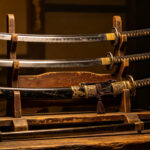
Museums showcase original Tachi blades with ornate fittings.
Martial arts schools include Tachi in ceremonial kata or heritage training.
For fans of different kinds of katanas, owning a Tachi isn’t just about the blade—it’s about inheriting a story of valor, legacy, and tradition.
Final Thought: The Tachi as a Timeless Symbol of Samurai Spirit
The Tachi represents more than just an old katana style. It embodies centuries of warfare, artistry, and samurai philosophy. If you’re exploring the parts of a katana, collecting types of samurai sword, or want to own a piece of history, the Tachi stands as the ultimate fusion of form and cultural significance—a sword worthy of warriors and legends alike.
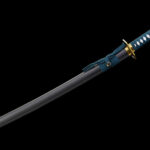
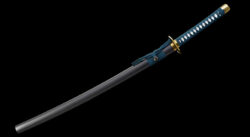
Handmade Japanese Tachi Katana, High Manganese Steel Full Tang with Grinding Hamon Black Saya