Exploring the Ninjato: A Historical and Modern Perspective on the Ninja Sword
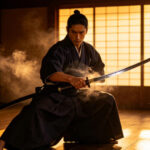
The Ninjato (忍刀), or ninja sword, is a legendary weapon of stealth and practicality, deeply rooted in Japanese history. Unlike the highly revered samurai swords like the Katana and Wakizashi, the Ninjato embodies the cunning and adaptability of the ninja. In this article, we delve into the origins, evolution, and modern craftsmanship of the Ninjato, offering a comprehensive understanding of this fascinating weapon.
Differences Between Ninjato and Samurai Swords
The Ninjato and samurai swords are iconic symbols in Japanese weaponry, each crafted with unique designs and purposes.
1. Blade Length and Shape
The Ninjato typically features a straight blade measuring around 24 inches (60.96 cm), optimized for quick, stealthy strikes in confined spaces. Conversely, samurai swords like the Katana have longer, curved blades exceeding 90 cm, designed for powerful, sweeping slashes.
2. Materials and Craftsmanship
While both swords use high-carbon steel, the Ninjato prioritizes simplicity and practicality over the elaborate forging techniques used in samurai swords. The latter often involves folding multiple types of steel to create unparalleled sharpness and resilience.
3. Purpose and Application
Ninjato were tailored for stealth operations and surprise attacks, focusing on thrusting techniques. In contrast, samurai swords symbolize honor and are crafted for direct combat, showcasing sharp edges suitable for precision cutting.
4. Cultural Significance
The samurai sword represents the soul and honor of the samurai class, embodying loyalty and bravery. Meanwhile, the Ninjato reflects the secretive and resourceful nature of ninja culture, symbolizing ingenuity and survival.
Traditional Ninjato Design
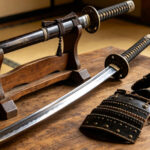
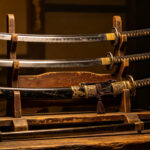
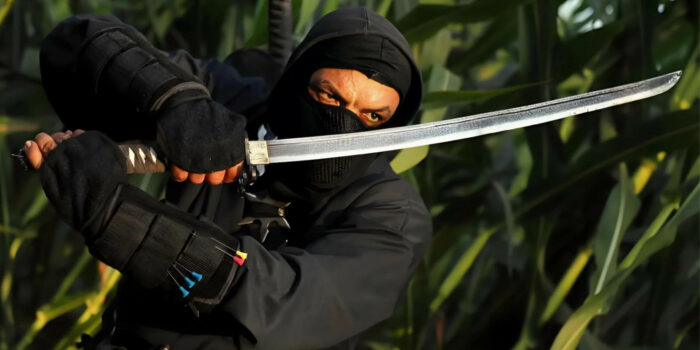
The traditional Ninjato stands out with its compact design: a shorter, straight blade with a square guard. Unlike the intricate samurai swords, the Ninjato often lacked refinement, focusing on practicality. Its design supported the ninja’s covert tactics, enabling them to evade detection and perform swift, decisive actions.
To blend in, ninjas often repurposed everyday tools as weapons, disguising their deadly intent. This ingenuity highlights the ninja’s adaptability and their commitment to stealth.
Evolution of Ninja Tools
In addition to the Ninjato, ninjas relied on a versatile arsenal of tools, including:
Shuriken: Throwing stars, sometimes coated with poison for lethal accuracy.
Makibishi: Spikes used to hinder pursuers during escapes.
Sinobigatana: Equipped with a rope for climbing and a scabbard that doubled as a breathing tube.
Fukiya: A blowgun disguised as a flute for stealthy attacks.
Sikomidue: Canes concealing blades, chains, or spears.
Tek Kouka: Claw-like tools for close combat.
Mizugumo: Foldable devices for crossing water.
This diverse toolkit underscores the ninja’s adaptability and resourcefulness.
Modern Advancements in Ninjato Crafting
Today, the crafting of Ninjato integrates traditional techniques with modern technology to enhance performance and durability.
Materials and Technology
Using high-performance alloy steels, modern Ninjato boast superior strength and sharpness. Advanced techniques like CNC machining and laser cutting enable precise blade shapes and edges.
Customization and Design
Manufacturers now offer ergonomic designs to ensure comfort during use. Customization options, including engravings, allow enthusiasts to create unique pieces tailored to their preferences.
Hand-Forged Japanese Ninjato by COOLKATANA
One exceptional example is the Hand-Forged Damascus Ninjato Unokubi-Zukuri by COOLKATANA. This combat-ready sword showcases:
Damascus Folded Steel: A blade crafted through intricate folding techniques, creating stunning patterns while maintaining exceptional strength.
Unokubi-Zukuri Design: A sleek, straight blade optimized for stealth and functionality.
Battle-Ready Durability: Built from high-strength spring steel, the blade can withstand significant stress without deforming.
Tactical Aesthetic: An all-black finish enhances its stealthy appearance, suitable for both display and use.
With the option for custom engravings, this Ninjato is perfect for collectors and ninja enthusiasts seeking both aesthetics and functionality.
Conclusion
The Ninjato remains a captivating weapon, representing the ingenuity and resilience of ninja culture. With the integration of modern materials and craftsmanship, the Ninjato continues to evolve, appealing to collectors, martial artists, and history enthusiasts alike. Whether as a functional tool or a piece of art, the Ninjato’s legacy endures, blending tradition with innovation.
Ready to Own a Piece of History?
Explore the Hand-Forged Japanese Ninja Sword Damascus Folded Steel Straight Blade Ninjato Unokubi-Zukuri by COOLKATANA and experience the perfect blend of stealth, style, and strength.
Buy Now!
Hand Forged Japanese Ninja Sword Damascus Folded Steel Straight Blade Ninjato Unokubi-Zukuri
Hand Forged Japanese Ninja Sword Damascus Folded Steel Straight Blade Ninjiato Unokubi-Zukuri
Ninja:https://en.wikipedia.org/wiki/Ninja