Falchion Sword Explained: Design, History, and Medieval Battlefield Use
What Is a Falchion Sword? Complete Guide to the Medieval Falchion and Its Battlefield Role
In the vast world of medieval European weapons, the falchion sword occupies a unique and often misunderstood position. Neither a classic straight medieval longsword nor a simple short blade, the falchion combines the chopping power of an axe with the reach and control of a sword. This distinctive balance made it one of the most practical close-combat weapons of the Middle Ages.
Characterized by its single-edged curved blade, forward-weighted design, and devastating cutting ability, the falchion sword was widely used in real medieval warfare. Today, it attracts growing interest from historical arms collectors, HEMA practitioners, and medieval weapon enthusiasts. This in-depth guide explores the falchion’s definition, historical development, design features, combat use, and modern appeal—while answering the common question: why was the falchion used in medieval warfare?
I. What Is a Falchion Sword? (Medieval Curved Sword Explained)
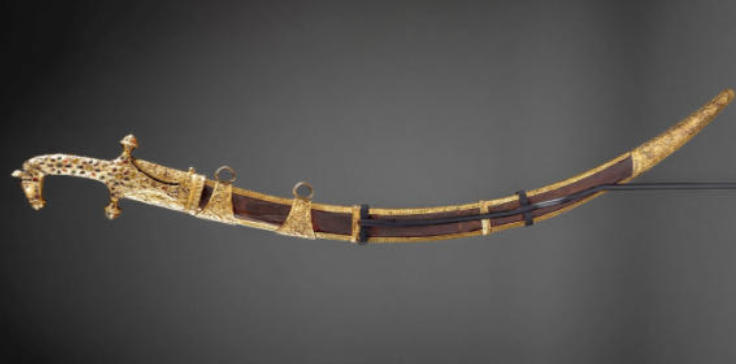
A falchion is a type of medieval European curved sword most easily identified by its single-edged blade and pronounced cutting profile. Unlike double-edged arming swords, the falchion focuses almost entirely on powerful slashing and chopping attacks.
In terms of size and function, the falchion sits between a longsword and a shortsword. It offers more reach and striking power than daggers or short swords, while remaining lighter and more agile than many two-handed weapons. Because of this balance, falchions were commonly used by knights, infantry soldiers, city militias, and guards.
The blade usually curves downward or widens toward the tip, concentrating mass forward. This design increases cutting momentum and allows the weapon to deliver severe wounds with relatively simple swings. Although influenced by earlier Roman blades and early European weapon traditions, the falchion evolved into a distinctly medieval sword optimized for practical battlefield efficiency.
II. Historical Origins and Evolution of the Falchion
The origins of the falchion sword can be traced to the early Middle Ages, drawing inspiration from Roman chopping blades, Germanic seaxes, and early single-edged swords. As medieval warfare evolved, so did the need for weapons capable of defeating lightly armored opponents quickly and decisively.
During the High and Late Middle Ages, most soldiers faced enemies wearing leather armor, padded gambesons, or chainmail, rather than full plate. This environment favored weapons that emphasized raw cutting force. The falchion’s shorter length and forward-heavy blade made it especially effective in these conditions.
Across Europe, regional variations of the falchion appeared. Some designs featured wide cleaver-like tips, others had pronounced curves or reinforced spines. These differences reflect how medieval weapon design adapted to local combat styles, terrain, and tactical needs, including infantry engagements, urban fighting, and anti-cavalry roles.
III. Falchion Sword Design and Structural Features
1. Single-Edged Curved Blade
The most defining feature of the falchion is its single cutting edge combined with a curved or angled blade profile. This geometry allows the sword to strike with both sharpness and mass, delivering devastating cuts even without complex fencing techniques. In practice, the falchion behaves more like a specialized chopping weapon than a thrust-oriented sword.
2. Wide Blade and Forward-Biased Balance
Many falchions feature a noticeably widened blade near the tip, shifting the center of gravity forward. This forward balance dramatically increases cutting power and makes each swing more destructive. Against lightly armored troops or exposed limbs, a single successful hit could be decisive.
3. Grip, Guard, and Handling
Falchion grips are usually short and sturdy, designed primarily for one-handed use, often in combination with a shield or buckler. Some historical examples include extended grips for occasional two-handed control. Guards are generally simple—straight or slightly curved crossguards—providing hand protection without adding unnecessary weight.
IV. How the Falchion Was Used in Medieval Combat
The falchion’s design directly reflects its battlefield role. Compared to straight swords, it excels in slashing, cleaving, and close-quarter combat, especially against lightly armored or unarmored opponents.
Falchions were widely used in siege warfare, urban combat, and tight formations, where long thrusting weapons were less practical. Their powerful blows could quickly incapacitate enemies and break defensive lines.
Against cavalry, falchions proved surprisingly effective. Their chopping force could injure horses or riders at close range, while the weapon’s maneuverability allowed soldiers to react quickly during chaotic engagements. These qualities made the falchion a popular choice among infantry units and militia forces.
V. Falchion vs Other Medieval Swords
Weapon Type Blade Characteristics Main Advantages Key Disadvantages
Longsword Straight, double-edged Excellent reach and versatility Less specialized cutting power
Falchion Curved, single-edged High cutting power, strong impact Limited thrusting and defense
Shortsword Short, lightweight Effective in confined spaces Reduced damage output
The falchion’s primary advantage lies in its cutting efficiency and simplicity of use. However, it is less effective for defensive fencing or penetrating heavy plate armor. This explains why falchions were more commonly carried by light infantry, guards, and non-elite soldiers rather than heavily armored knights.
VI. Falchion Swords in Modern Culture and Collecting
In recent years, renewed interest in medieval history through movies, video games, and fantasy literature has brought the falchion back into the spotlight. It is often portrayed as the weapon of aggressive, strength-focused warriors.
For modern sword collectors, historical reenactors, and HEMA practitioners, falchion replicas offer valuable insight into medieval weapon design. Authentic reproductions highlight how function, material, and balance shaped real battlefield weapons. Regional styles and historical accuracy also give falchions strong appeal in the collectible sword market.
VII. How to Choose a Falchion Replica
If you are looking to buy a falchion sword replica, consider the following factors:
Purpose: Display, cosplay, reenactment, or functional cutting practice
Materials: High-carbon steel or alloy steel for functional swords; lighter materials for decorative pieces
Craftsmanship: Hand-forged falchions offer greater authenticity and durability
Size and Weight: Choose proportions that suit your body type and intended use for comfort and safety
Conclusion: The Falchion’s Lasting Place in Medieval Weapon History
The falchion sword stands as a powerful example of practical medieval weapon engineering. Designed for efficiency rather than elegance, it delivered devastating cutting power in real combat situations. From medieval battlefields to modern collections, the falchion remains a symbol of function-driven design and a crucial chapter in the history of European arms.
Whether you are researching medieval warfare, collecting historical swords, or exploring functional weapon replicas, the falchion continues to prove why it was—and still is—such a formidable blade.
https://www.coolkatana.com/