How Does a Fuel Rail Pressure Sensor Work?
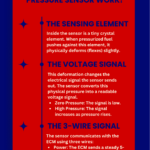
A fuel rail pressure sensor plays a crucial role in modern fuel-injected engines by monitoring the pressure of fuel inside the fuel rail and sending real-time data to the engine control unit (ECU). As fuel pressure changes, a pressure-sensitive element inside the sensor detects these variations and converts them into a voltage signal. The ECU then uses this information to adjust fuel delivery, ensuring the engine maintains the proper air-fuel mixture for smooth performance, better fuel efficiency, and lower emissions. If the sensor fails, it can lead to rough idling, poor fuel economy, hard starting, or even trigger the check engine light. In short, the fuel rail pressure sensor helps keep your engine running efficiently and reliably every time you drive.