How Is Plain Weave Luggage Fabric Manufactured?
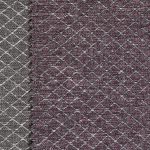
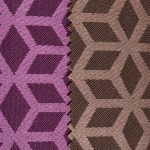
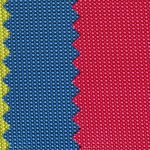
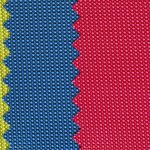
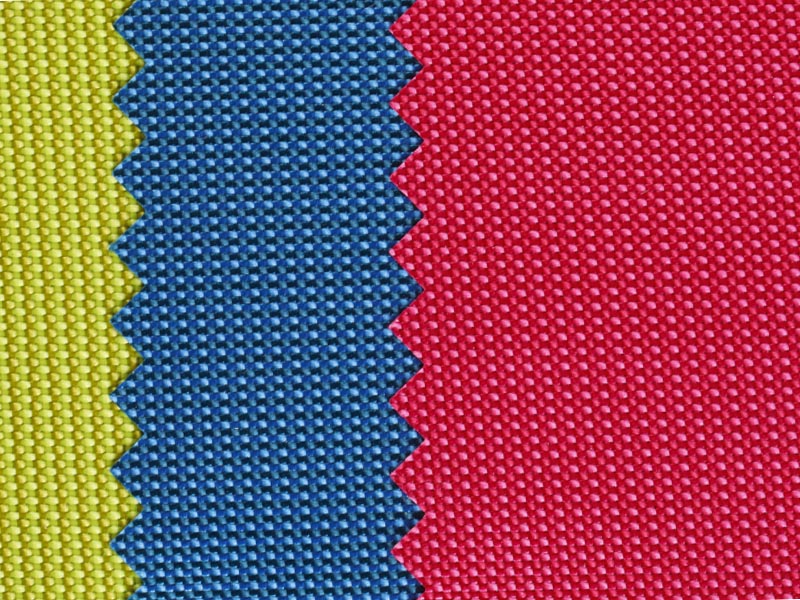
Our Plain weave luggage fabric is typically made using a weaving process that involves interlacing two sets of yarns at right angles to each other. The yarns used in the warp (lengthwise) and weft (crosswise) directions are typically made from synthetic fibers such as nylon, polyester, or a blend of both.
The manufacturing process typically begins with the preparation of the warp yarns, which are wound onto large beams. The weft yarns are wound onto smaller bobbins. The warp yarns are then threaded through the loom, which is a machine that holds the warp yarns under tension while the weft yarns are woven back and forth through the warp to create the fabric.
The loom is operated by a weaver who controls the motion of the shuttle, which carries the weft yarn back and forth through the warp. As the shuttle passes through the warp, it interlaces with the warp yarns, creating a tight, strong fabric.
After the weaving process is complete, the fabric is typically finished with a variety of treatments to improve its durability, water resistance, and other properties. These treatments may include coating the fabric with a water-resistant or abrasion-resistant material, or applying a layer of foam padding to provide additional protection for the luggage.
The manufacturing process for plain weave luggage fabric is a complex and multi-step process that involves a variety of different techniques and materials to create a strong, durable fabric that can withstand the rigors of travel.