Is Sekiro: Shadows Die Twice Still Worth Playing?
Is Sekiro: Shadows Die Twice Still Worth Playing?
The Story, Protagonist, and Shinobi Prosthetic That Define Its Legendary Thrill
If you’ve ever loved shōnen anime or conquered brutal games like Dark Souls or Bloodborne, Sekiro: Shadows Die Twice is probably already on your radar. When it first hit the scene, it didn’t just attract gamers—it captured the hearts of anime fans who saw it as a living, breathing samurai epic. Every clash feels like an anime finale brought to life, where precision, emotion, and skill collide.
1. Storyline: The Unbreakable Path of Loyalty and Redemption
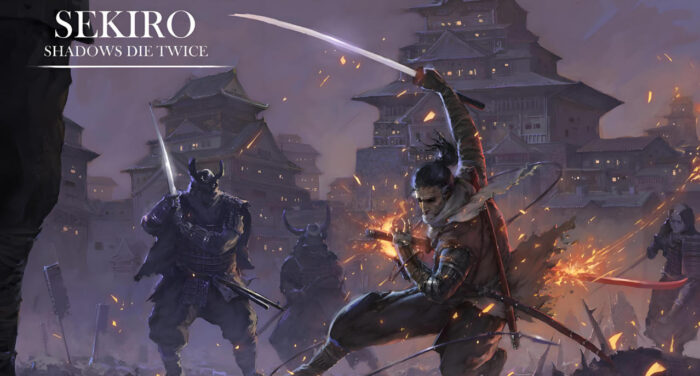
At its core, Sekiro tells a story straight out of a shōnen masterpiece—revenge, loyalty, and the fight for purpose. The main character, known as Wolf, begins as a war orphan, taken in and trained by the ruthless shinobi “Owl.” He grows up learning only the art of killing—until the moment he meets the Divine Heir, his Young Lord. From that day on, Wolf’s blade serves not just war, but protection.
Disaster strikes when the Young Lord is captured and Wolf loses his arm defending him. On the verge of death, he’s revived by a mysterious Shinobi Prosthetic, an arm forged with power and mystery. This moment becomes the turning point—a second life, a second chance, and a new mission that blurs the line between revenge and devotion.
The game’s branching endings make the story endlessly fascinating. Players constantly discuss “Sekiro ending analysis,” debating whether the true ending lies in loyalty, severance, or transcendence. Each decision forces players to reflect: what does it truly mean to protect someone?
Through this emotional depth, Sekiro transforms from an action game into a playable samurai drama about bonds, choices, and self-redemption—a perfect echo of classic anime storytelling.
2. The Protagonist Wolf: Silent, Steadfast, and Unyielding
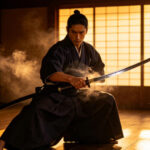
Wolf is the epitome of an anime hero molded by pain. He speaks little, fights relentlessly, and hides deep emotions behind a stoic face. This quiet intensity makes players want to uncover who he really is beneath the mask of a killer.
A Heart Beneath the Steel:
Though Wolf seems cold, his unwavering loyalty to the Young Lord burns fiercely. He’s not fighting for fame or glory—but for a promise, a bond that defines his existence. This emotional weight gives each battle meaning, making him more than a typical game protagonist.
Growth Through Struggle:
Throughout his journey, Wolf questions what it means to be human. His loyalty clashes with morality, and every choice adds complexity to his character. It’s no wonder why fans keep searching for Sekiro protagonist analysis—his journey from a tool of war to a guardian with purpose is pure storytelling brilliance.
Design and Symbolism:
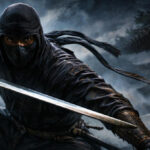
Wolf’s appearance, combat stance, and calm demeanor all scream “legendary shinobi.” The way he wields the blade—with patience, precision, and deadly grace—embodies the disciplined spirit of Japanese warriors.
He’s a walking contradiction: silent yet expressive, merciless yet compassionate. Every victory feels earned, every scar feels real.
3. Weapons and Tools: The Dance of Kusabimaru and the Shinobi Prosthetic
When players talk about the Sekiro weapon system, they often describe it as “art in motion.” Wolf’s arsenal isn’t just about power—it’s about style, adaptability, and creativity.
Kusabimaru – The Soul of a Shinobi:
Wolf’s trusted katana, Kusabimaru, looks humble but carries immense symbolism. Each clash of steel captures the rhythm of combat—every deflect, parry, and counterattack feels cinematic. Against samurai or supernatural foes, Kusabimaru delivers the purest essence of swordsmanship: precision over brute force.
Fans who dive into guides like Sekiro katana guide or Sekiro weapon build tips know that mastering this blade is more than technique—it’s about embodying Wolf’s calm fury and focused determination.
Shinobi Prosthetic – A Tool of Infinite Possibilities:
The Shinobi Prosthetic transforms Wolf into a tactical genius. With attachments like shuriken, flame vent, axe, and grappling hook, it’s the ultimate ninja toolkit. Players can switch from direct combat to aerial assaults or stealth eliminations in seconds.
Each tool changes how you approach battles—some break armor, others distract or immobilize. Together, they mirror Wolf’s personality: adaptable, intelligent, and deadly.
This weapon system perfectly captures what makes Sekiro unique. It’s not just about defeating enemies—it’s about outthinking them.
4. Combat: Where Strategy Meets Pure Adrenaline
Sekiro’s combat system is not for the faint of heart. It abandons traditional health depletion mechanics and focuses on posture—your ability to break the enemy’s defense while protecting your own. This “Posture System” is the soul of the game.
Each deflect and parry feels like a heartbeat, every deathblow a surge of triumph. The rhythm of battle demands complete focus, transforming every duel into a mental and physical dance.
Boss fights—especially against Genichiro Ashina and Isshin Ashina—are unforgettable. They push players beyond reflex and into mastery. Every failed attempt teaches patience, timing, and humility.
Many first-timers look up “Sekiro boss fight tips” or “Sekiro posture system explained” because the learning curve is brutal—but once they land that perfect deathblow, it’s a rush like no other.
Victory in Sekiro is more than just winning—it’s becoming the shinobi you were meant to be.
5. Why Sekiro Is Still Worth Playing Today
For gamers who ask, “Is Sekiro worth playing in 2025?”—the answer remains a resounding yes. It’s not just a game; it’s an emotional and mechanical journey that rewards patience, skill, and heart.
For Story Seekers:
Its narrative depth rivals any anime. The relationship between Wolf and the Divine Heir, the mystery behind immortality, and the weight of choice all keep players hooked. Searching Sekiro story explained online opens a treasure trove of fan theories and emotional discussions.
For Combat Enthusiasts:
No other game blends precision and passion like this one. Every battle tests your instincts, timing, and adaptability. The thrill of mastering parries and breaking posture never fades.
For Collectors and Fans:
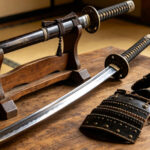
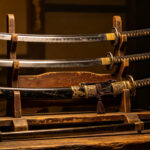
The world of Sekiro extends beyond the screen. From Sekiro Shadows Die Twice Replica Sword to handcrafted Undead Cut Katana replicas, fans proudly display these blades as symbols of Wolf’s journey. Each sword—like the Handmade Sekiro Shadows Die Twice Sword Red Blade Undead Katana Replica—reminds collectors of every duel, victory, and lesson learned.
Conclusion
Sekiro: Shadows Die Twice is more than a game—it’s a living samurai legend. With a gripping story of loyalty and loss, a protagonist shaped by pain and honor, and the ingenious fusion of the Shinobi Prosthetic with the Kusabimaru, it delivers an experience as thrilling as the most powerful anime climax.
Every parry, every duel, every ending choice defines not just Wolf—but you, the player.
If you crave the spirit of a warrior, the challenge of perfection, and the emotion of a true shōnen journey, then step into Sekiro’s world. Once you do, you’ll understand why it remains one of the most unforgettable masterpieces of our time.
Handmade Undead Cut Katana Sword, Sekiro: Shadows Die Twice Japanese Samurai Sword, Quenched Violet Spring Steel Blade, Full Tang
👉 SHOP NOW
Sekiro Shadows Die Twice Replica Sword – 9260 Spring Steel Functional Katana
👉 SHOP NOW
Sekiro Shadows Die Twice Replica Sword – 9260 Spring Steel Functional Katana
Handmade Sekiro Shadows Die Twice Sword Red Blade Undead Katana Replica
👉 SHOP NOW
Handmade Sekiro Shadows Die Twice Sword Red Blade Undead Katana Replica