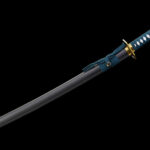
Japanese Odachi Sword – Hand Forged with Copper Tsuba & Saya
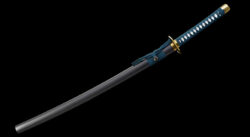
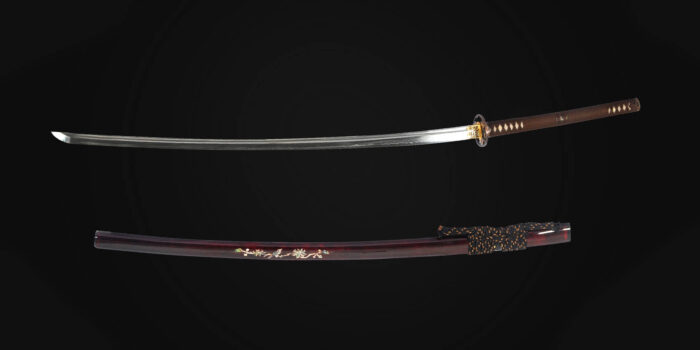
Hand Forged Odachi Sword – Clay Tempered Japanese Long Sword with Copper Tsuba and Shell Saya
Among traditional Japanese samurai swords, the Odachi stands out with its massive size and majestic presence. This Hand-Forged Odachi Sword is crafted using traditional clay tempering techniques and features a dragon-pattern copper tsuba and a refined shell-pattern saya. Forged using the classic Honsanmai (three-layer steel) technique, it blends functionality with artistic value—ideal for both collectors and practitioners of traditional swordsmanship.
Is an Odachi a Real Sword?
Yes, the Odachi (大太刀) is a real traditional Japanese sword. Originating in the Sengoku era, it is significantly longer and heavier than a standard katana, specifically designed for battlefield use—particularly against cavalry or in open terrain. Beyond its practical role, the Odachi symbolized power, rank, and the martial status of the samurai. Though eventually phased out in favor of more versatile swords, it remains an enduring icon in Japanese history and culture.
I. Historical Background and Cultural Significance of the Odachi
The Odachi, also known as Nodachi, is a long-bladed Japanese sword typically measuring over 90 cm (35 inches) and sometimes exceeding 120 cm (47 inches)—vastly larger than the average katana.
During the Sengoku period (15th–17th century), the Odachi played a vital role in open-field combat. Its extended reach and formidable cutting power made it especially effective against cavalry and in head-to-head battle formations. Beyond its battlefield function, the Odachi was a symbol of elite status and martial prowess, often wielded by legendary samurai generals.
As Japan transitioned into the Edo period, a time of peace, the Odachi became less practical for everyday use due to its size. It evolved into a ceremonial weapon, a collector’s item, and a sacred object featured in Shinto rituals and festivals.
The Odachi’s grand size made it challenging to forge. Swordsmiths needed exceptional skill to maintain structural integrity and sharpness over such a long blade. The result was not only a powerful weapon but also an artistic masterpiece.
Today, the Odachi continues to capture the fascination of martial artists, historians, and collectors worldwide—standing as a symbol of Bushido, the samurai code of honor.
II. Forging Technique: 1095 Carbon Steel and Tosa Clay Tempering
This Odachi is crafted from premium 1095 high carbon steel, known for its outstanding hardness, sharpness, and durability. Through repeated folding, the steel gains strength and flexibility while minimizing internal flaws and impurities.
It features the traditional Tosa clay tempering process, an advanced heat-treatment method where a mineral-rich clay is applied in varying thicknesses. A thinner clay layer is applied to the edge for maximum hardness, while the spine is coated more heavily to retain flexibility. During the quenching phase, the result is a differential hardening that produces a distinct hamon (temper line)—a hallmark of traditional Japanese sword artistry.
Additionally, this blade is made using the Honsanmai construction, where a soft steel core is sandwiched between two harder outer layers. This three-layer steel structure ensures the sword is strong yet resilient, capable of withstanding stress while maintaining a razor-sharp edge.
The Tosa clay tempering technique, originating from Japan’s Tosa region, represents more than function—it is a form of artistic expression, capturing the swordsmith’s skill, care, and cultural respect.
III. Market Value Analysis: What Determines the Price of an Odachi?
When considering how much a samurai sword is worth, especially a large Odachi, several factors influence its value:
Material Quality: Use of 1095 carbon steel and Honsanmai construction elevates both performance and price.
Forging Technique: Hand-forged swords with authentic clay tempering are significantly more valuable than machine-made alternatives.
Fittings: Decorative elements such as copper Tsuba and shell Saya add to aesthetic and collectible value.
Sword Size: Larger swords like the Odachi require more time, skill, and material, making them more expensive than standard katana.
Artisan Reputation: Swords by renowned swordsmiths or antiques with historical provenance are often priced much higher.
Typically, a high-quality hand-forged Odachi ranges from several thousand to over ten thousand USD, depending on materials and craftsmanship. Beware of cheap imitations that compromise on steel quality, forging integrity, and finishing.
This Odachi, made with traditional materials and methods, stands out as both a functional sword and collectible heirloom, embodying centuries of Japanese sword-making heritage.
IV. Dual Value: Practical Use & Collectibility
For Martial Arts Training:
This Odachi is ideal for advanced practitioners of traditional swordsmanship. Its substantial weight and extended length improve training in strength, technique, and coordination. Practicing with such a sword deepens your connection to samurai combat traditions and enhances mastery of cutting and movement.
For Collectible Display:
With a beautifully visible hamon, ornate copper Tsuba, and elegant shell-pattern Saya, this Odachi is a striking display piece. Whether placed in a study, dojo, or gallery, it adds a strong Japanese aesthetic and reflects the collector’s taste and status.
For Cultural Heritage Preservation:
More than a weapon, the Odachi is a symbol of identity, discipline, and spiritual heritage. Historians and cultural collectors value these swords for their embodiment of samurai ideals and Japanese artistry.
Integrated Sword Culture Display:
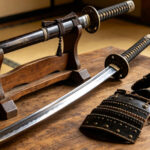
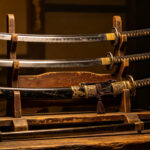
An impressive sword collection often features a variety of traditional blades—from the elegant Tachi to the sharp Chokuto and the fearsome Odachi. Displaying them together offers a full showcase of Japan’s rich sword-making legacy.
Investment Potential:
As the appreciation for hand-forged traditional swords grows, the market value of Odachi swords—especially those made with 1095 carbon steel and clay tempering—continues to rise. It serves not only as a collector’s treasure but also a long-term investment and family heirloom.
V. Buying Tips & Considerations
Inspect Materials & Craftsmanship: Look for genuine high-carbon steel, real hamon lines, and quality fittings.
Choose Reputable Sellers: Buy from trusted brands or expert sword retailers to ensure authenticity.
Maintenance Is Key: Proper cleaning, oiling, and storage extend the life of your Odachi.
Beginners’ Tip: If you’re new to swordsmanship, consider starting with a katana or a wakizashi before moving to a full-size Odachi.
Why Choose COOLKATANA’s Odachi?
When you choose an Odachi from COOLKATANA, you gain access to exceptional quality, traditional craftsmanship, and dedicated customer support.
Materials & Forging: Every Odachi is hand-forged using 1095 carbon steel and Tosa clay tempering, ensuring a sharp edge and lasting strength.
Artistic Details: From the dragon-pattern copper Tsuba to the shell lacquered Saya, each element is designed with care and cultural accuracy.
Customization Options: COOLKATANA offers a wide range of personalization, making your Odachi truly one-of-a-kind.
Professional Support: Whether you’re a new buyer or seasoned enthusiast, we’re here to guide your journey into authentic sword collecting.
→ [SHOP NOW] to own a piece of living Japanese tradition.
Hand Forged Odachi Sword Clay Tempered Japanese Long Sword Copper Tsuba Shell Saya Honsanmai
Conclusion
The Hand Forged Odachi Sword is a masterpiece of traditional Japanese craftsmanship. With its clay tempering, Honsanmai construction, copper Tsuba, and shell-pattern Saya, it blends power, beauty, and cultural depth into one extraordinary sword.
Whether you’re a martial artist, collector, or Japanese culture enthusiast, this Odachi is more than a purchase—it’s a symbol of samurai heritage and a tribute to the spirit of Bushido.
Want to learn more about samurai swords, Japanese sword culture, or explore custom blade options? Contact us today—we’re here to help you find the perfect sword.