Japanese Swordsmanship, Samurai Weapons & Masks After the Battlefield Era
How Japanese Swordsmanship, Samurai Weapons, and Masks Evolved After the Age of War
Japanese Swordsmanship, Samurai Weapons & Edo Period Culture Explained
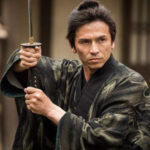
Japanese swordsmanship did not disappear when the battlefield fell silent. Instead, it transformed—shifting from lethal survival techniques into a refined system of martial philosophy, cultural identity, and spiritual discipline. From the chaos of the Sengoku era to the structured peace of Edo-period Japan, the evolution of Japanese sword arts, samurai equipment, and mask culture reflects one of history’s most profound martial transformations.
This article explores how Japanese swordsmanship, samurai weapons, and traditional Japanese masks adapted after large-scale warfare ended—and why they continue to influence martial arts, anime, collecting culture, and global aesthetics today.
What Is Japanese Swordsmanship Called?
Japanese swordsmanship is most commonly referred to as Kenjutsu, but the term changes depending on historical context and purpose.
Key Forms of Japanese Swordsmanship
Kenjutsu (剣術)Classical battlefield sword techniques developed during Japan’s feudal wars, focused entirely on real combat efficiency and killing effectiveness.
Kendo (剣道)A modern martial art derived from kenjutsu, emphasizing discipline, etiquette, competition, and personal growth rather than battlefield lethality.
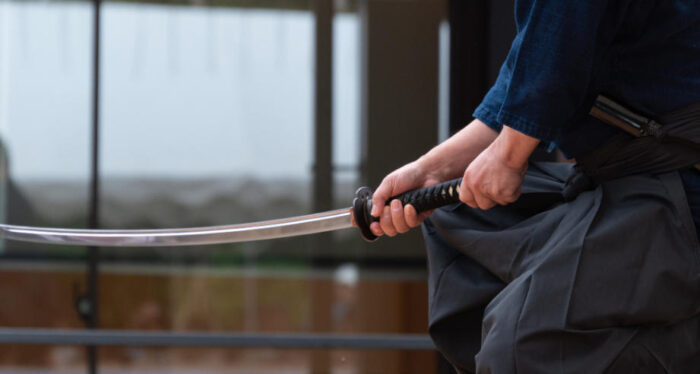
Iaido (居合道)A highly refined discipline centered on drawing and cutting in one decisive motion, preserving the philosophy of life-or-death readiness.
👉 Together, these arts represent the transition from battlefield survival to spiritual cultivation.
Core Philosophy of Japanese Swordsmanship
Japanese swordsmanship has never been about flashy movement. Its core principles are rooted in reality, restraint, and mental clarity.
Fundamental Concepts
Unity of Mind, Body, and Technique (Shin–Gi–Tai)Mental instability leads to flawed technique. Swordsmanship demands total internal and external harmony.
Victory at the Moment of the Draw (Iai no Kokoro)Especially central to Iaido, this philosophy stresses that combat should be resolved instantly, without prolonged conflict.
Precision Over PowerNo wasted motion. Every cut aims for maximum efficiency with minimal effort—a reflection of rational control and discipline.
These principles allowed Japanese swordsmanship to survive long after battlefields vanished.
From Sengoku Warfare to Edo-Era BudoThe Edo Period: Peace That Changed Everything
The Edo period (1603–1868)—also known as Edo Era Japan or Yedo Japan—ushered in over 250 years of internal peace.
As a result:
Large-scale warfare disappeared
Samurai left the battlefield
Swords evolved from weapons into symbols
Samurai transformed from frontline warriors into bureaucrats, administrators, and moral elites, while retaining their exclusive right to bear swords.
The Sword as Symbol: Edo Period Samurai CultureThe Daisho and Social Identity
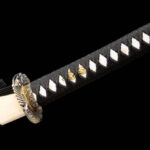
Only samurai were legally permitted to wear the Daisho—the paired katana and wakizashi. This rule reinforced class boundaries and made the Japanese sword a visible marker of authority and lineage.
During this era:
Sword combat declined
Aesthetic refinement increased
Sword fittings (tsuba, saya, tsuka) became highly artistic
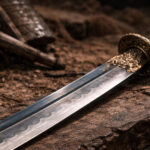
Japanese swords were increasingly viewed as functional art objects, leading to today’s collector culture.
👉 This is when the famous belief solidified:“The sword is the soul of the samurai.”
Samurai Mansions and Urban Warrior Life
Long-term peace allowed samurai families to settle into castle towns, many of which still exist today. Travelers often search for:
“Places in Japan with samurai houses” or “samurai districts in Japan”
Famous Samurai Towns
Kanazawa – Home to the preserved Nagamachi Samurai District
Kagoshima – Center of Satsuma samurai culture
Hagi – Retains Edo-period residential layouts
Aizu-Wakamatsu – Symbol of loyalty and late samurai resistance
These towns reveal how swordsmanship evolved in daily life, not warfare.
Why Japanese Swordsmanship Survived Without War
Ironically, peace preserved the sword.
Without constant killing, swordsmanship transformed into:
Moral education
Mental discipline
Cultural identity
Classical schools (Koryu Kenjutsu) preserved battlefield logic, while modern arts like Kendo and Iaido emphasized self-cultivation.
Japanese swordsmanship became a way of life, not a method of killing.
Japanese Mask Culture: Samurai Masks, Oni Masks & Tengu
Japanese masks are deeply woven into warfare, religion, and performance. They are not disguises—but amplifiers of spiritual power.
Japanese Oni Masks & Demon Masks
Japanese Oni masks symbolize fear, power, and protection rather than pure evil.
Traditional Uses
Battlefield intimidation
Religious exorcism rituals
Noh theater symbolism
👉 This explains why Japanese demon masks remain popular in modern anime, tattoos, and collectibles.
Samurai Masks (Menpō & Hanmēn)
Samurai masks were functional armor components designed to protect the face and terrify opponents.
Functions of Samurai Masks
Facial defense against blades and arrows
Psychological warfare through exaggerated expressions
Clan identity and status representation
Many samurai masks intentionally echoed oni aesthetics, blurring the line between man and demon.
Tengu Masks and Warrior Asceticism
Tengu masks represent mountain spirits and masters of swordsmanship.
They symbolize:
Martial mastery
Ascetic discipline
Spiritual perfection
Tengu imagery is closely tied to classical sword schools and Shugendo practices.
Japanese War Fans: Gunbai & Tessen
Often overlooked, Japanese war fans played vital roles:
Battlefield command and signaling
Concealed self-defense
Symbols of rank and authority
They frequently appeared alongside swords and masks, completing the warrior’s visual identity.
Japanese Weaponry Beyond the KatanaOverview of Japanese Weapons
Japanese weapon systems extended far beyond swords:
Japanese swords (Katana, Wakizashi, Tanto)
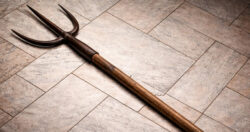
Polearms (Naginata, Yari, Bisento)
Ranged weapons and command tools
Even Japanese WW2 swords continued this symbolic lineage into the modern era.
Samurai Armor, Clans, and Identity
Samurai armor was never just protection—it was lineage made visible.
Meaning of Samurai Armor
Defense and mobility
Clan identification
Ceremonial authority
Samurai Names and Clans
Japanese warrior names represented bloodline, loyalty, and territorial power. Armor and swords were inherited alongside names, reinforcing continuity across generations.
The Core Logic of Samurai Equipment
For the samurai:
The sword = the soul
The armor = the family
The name = honor
This integrated system explains why samurai culture continues to inspire historians, collectors, and creators worldwide.
Cultural Artifacts Beyond Weapons
Traditional Japanese culture also includes:
Japanese dolls
Porcelain art
Sake sets
Folding fans
Together, these objects form a complete aesthetic ecosystem alongside samurai heritage.
Conclusion
Japanese swordsmanship, samurai weapons, and mask culture did not fade with the end of war. They evolved—transforming violence into discipline, combat into philosophy, and weapons into symbols of identity.
This is why Japanese swords, samurai masks, and martial traditions continue to influence modern martial arts, anime, film, collecting culture, and global design today.
Hand Forged Japanese Samurai Katana Sword Manganese Steel Blade Oil Quenching Iron Tsuba