Kris Sword Symbolism: Wavy Blade Meaning and Pamor Patterns
Kris Sword Symbolism: Wavy Blades, Pamor Patterns, and the Spiritual Meaning of the Keris
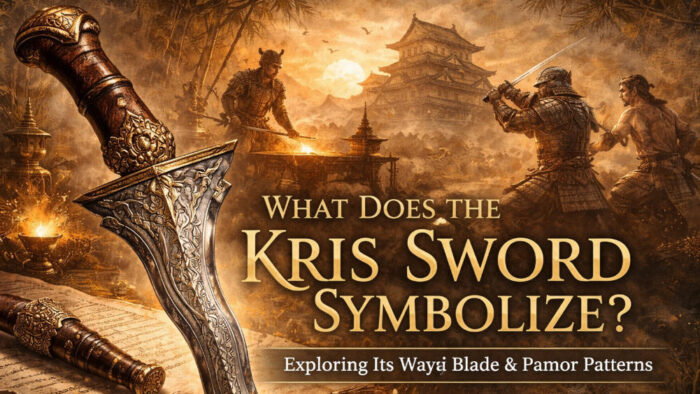
Among the many traditional weapons of Southeast Asia, the Kris sword (Keris / Kriss dagger) is one of the most distinctive and culturally significant blades ever created. Known for its wavy blade design, intricate pamor patterns, and deep spiritual symbolism, the Kris is far more than a weapon. It represents centuries of history, craftsmanship, mythology, and belief systems across Indonesia, Malaysia, Thailand, and the Philippines.
Today, historians, collectors, martial artists, and weapon enthusiasts continue to study the Kris sword meaning, the mystery behind its wavy blade, and the cultural philosophy surrounding the traditional Keris dagger.
What Is a Kris Sword? Origins of the Keris
The Kris sword, also known as the Keris dagger, originated on the Indonesian island of Java around the 9th to 10th centuries. Over time, the weapon spread throughout Southeast Asia and became a symbol of authority, honor, and spiritual protection.
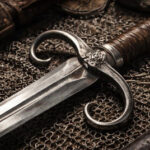
Unlike most daggers or swords, the Kris features an asymmetrical blade, a distinctive wavy or straight edge, and a beautifully carved handle and sheath. Each blade is unique and often carries symbolic meaning connected to the owner’s status, personality, or destiny.
Historically, the Kris served multiple purposes:
A ceremonial weapon used in royal courts
A traditional dagger for close combat
A symbol of noble status and family heritage
A spiritual talisman believed to hold mystical power
Because of these roles, the Kris became deeply connected to Southeast Asian culture and identity.
The Wavy Blade of the Kris: Meaning and Symbolism
The Luk (Blade Waves)
The most recognizable feature of the Kris sword is its wavy blade, known as luk. These waves are intentionally forged into the blade and usually follow specific odd-number counts.
Common wave numbers include:
3 waves
5 waves
7 waves
9 waves
13 waves
Odd numbers are traditionally considered auspicious and spiritually balanced.
Each wave pattern can symbolize different qualities, such as:
strength and bravery
harmony with nature
protection from danger
spiritual energy and vitality
Because of these meanings, the wave pattern of a Kris blade is often chosen carefully to match the owner.
Serpent and Dragon Symbolism
In many Southeast Asian traditions, the shape of the Kris blade is associated with mythical serpents or dragons.
The flowing curves resemble the movement of a serpent gliding through water or earth. In mythology, serpents often represent:
cosmic power
protection
fertility and renewal
balance between spiritual and physical worlds
A straight Kris blade symbolizes calm strength, like a resting serpent.
A wavy Kris blade symbolizes dynamic energy and movement.
This symbolism makes the Kris not only a weapon but also a powerful cultural emblem.
Practical Combat Advantages
Although the Kris blade has symbolic meaning, it also offers practical advantages in combat.
The wavy blade design can produce wider wounds during thrusting attacks, increasing effectiveness in close-range fighting. The curves may also help maintain blade contact during a strike.
Historically, Kris daggers were used in:
personal duels
battlefield combat
self-defense situations
This balance of symbolism and functionality helped the Kris remain relevant for centuries.
Pamor Patterns: The Unique Signature of a Kris Blade
Another defining feature of the Kris sword is the pamor pattern visible on the blade.
What Is Pamor?
Pamor refers to the distinctive patterns formed during the forging process. Traditional Kris blades are made using a pattern-welding technique, where layers of iron and nickel-rich metal are repeatedly folded and forged together.
This process produces striking patterns that resemble:
flowing water
wood grain
waves
stars or cosmic lines
rice grains
Each pattern is unique, making every Kris blade a one-of-a-kind piece of craftsmanship.
Symbolic Meaning of Pamor Patterns
In traditional Javanese culture, pamor patterns carry deep symbolic meaning. They are believed to influence the destiny or fortune of the owner.
Different pamor designs are associated with:
prosperity and success
spiritual protection
leadership and authority
harmony and balance
wisdom and inner strength
For this reason, choosing a Kris blade was historically a careful and meaningful process.
Planned vs Natural Pamor
Pamor patterns can be divided into two categories.
Intentional Pamor
The blacksmith deliberately designs the pattern during the forging process.
Natural Pamor
The pattern forms naturally as the metal layers interact during forging.
If a natural pattern forms an unusual symbol or recognizable image, it is sometimes believed to carry special spiritual power.
The Sacred Craft of Kris Forging
Forging a Kris sword is traditionally considered both a metallurgical skill and a spiritual practice.
Master bladesmiths, known as Empu, follow ancient techniques passed down for generations. Creating a Kris involves not only technical skill but also ritual and philosophy.
Traditional forging may include:
ritual prayers
spiritual meditation
specific forging days chosen by astrology
ceremonial purification before and after forging
The blade is typically made from layers of iron, steel, and nickel, sometimes including meteoric metal in historical examples.
These layered metals create the characteristic pamor patterns while also giving the blade strength and flexibility.
In traditional belief, the forging process symbolizes the harmony of natural elements:
fire (the forge)
water (quenching)
air (bellows and heat control)
earth (metal ores)
Together, these elements are believed to give the Kris its spiritual life force.
Cultural and Mythological Symbolism of the Kris
The Kris blade is often associated with mythology and spiritual symbolism across Southeast Asia.
Common symbolic themes include:
Naga (dragon serpent)
Represents protection, cosmic power, and spiritual guardianship.
Garuda
A divine bird symbolizing authority and divine protection.
Tiger imagery
Represents courage, ferocity, and warrior spirit.
Floral and natural patterns
Symbolize prosperity, fertility, and harmony with nature.
Because of these meanings, the Kris often serves as both a weapon and a sacred cultural object.
The Kris in Social Status and Ritual Traditions
Historically, the Kris played an important role in social hierarchy and ceremonial life.
Royal Authority
Nobles and warriors carried Kris blades as symbols of rank, power, and legitimacy.
Marriage Ceremonies
In some Indonesian and Malay wedding traditions, the groom wears a Kris as a symbol of responsibility, protection, and masculine honor.
Spiritual Protection
Certain Kris blades are believed to possess protective energy that guards the owner from misfortune or negative forces.
Because of these beliefs, Kris daggers are often preserved as family heirlooms passed down through generations.
Kris Sword Collecting and Modern Cultural Interest
Today, the Kris sword remains highly respected among collectors and historians. Antique Kris blades are valued for their historical significance and craftsmanship.
Modern enthusiasts appreciate the Kris for several reasons:
its unique wavy blade design
intricate pamor steel patterns
traditional Southeast Asian metallurgy
cultural and spiritual symbolism
artistic carving of the handle and sheath
Collectors often analyze specific features such as:
number of blade waves (luk)
pamor pattern type
blade form and style
regional design influences
Each Kris represents a combination of history, art, metallurgy, and cultural identity.
Conclusion: The Timeless Legacy of the Kris Sword
The Kris sword is one of the most fascinating traditional blades in the world. Its wavy blade, pamor patterns, and spiritual symbolism reflect a unique blend of craftsmanship, mythology, and cultural heritage.
For centuries, the Kris has represented:
honor and authority
spiritual protection
artistic metalwork
martial tradition
Whether admired as a historical weapon, a collector’s artifact, or a symbol of Southeast Asian culture, the Kris remains a powerful reminder that some blades carry not only steel—but also history, spirit, and meaning.
https://www.coolkatana.com