Medieval Longsword Guide: History, Design & Combat Techniques
Medieval Longsword Guide: History, Design, and Combat Techniques Explained
The medieval longsword is one of the most iconic weapons in European history, representing power, precision, and craftsmanship. Widely used during the Middle Ages, this legendary blade remains popular today among collectors, historians, and practitioners of Historical European Martial Arts (HEMA).
In this complete guide, we explore the history of the medieval longsword, its defining design features, and the advanced combat techniques that made it one of the most versatile weapons ever created.
The History of the Medieval Longsword
The medieval longsword developed between the 13th and 16th centuries as warfare evolved and armor became more advanced. Unlike earlier one-handed swords, the longsword featured an extended grip, allowing warriors to use both hands for greater power and control.
This weapon became especially prominent during late medieval conflicts, where adaptability on the battlefield was essential. Knights and trained soldiers favored the longsword for its ability to perform both cutting and thrusting attacks effectively.
Today, the longsword continues to thrive through historical study, reenactment, and HEMA longsword training, where ancient combat systems are preserved and practiced.
Longsword Design and Key Features
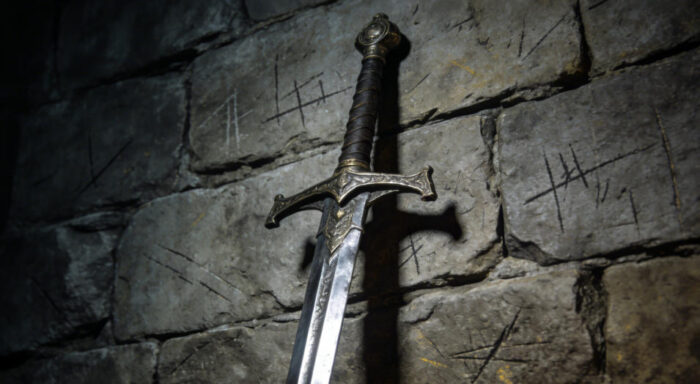
The European longsword is known for its elegant balance between form and function. Every component of the sword was carefully designed to enhance performance in combat.
Blade Structure
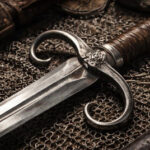
A typical medieval longsword features a straight, double-edged blade with a sharp, tapered point. This design allows for both powerful cuts and precise thrusts. Many blades include a fuller, which reduces weight while maintaining strength.
Grip and Handling
The extended handle enables one-handed or two-handed use, often giving rise to the term “hand-and-a-half sword.” This flexibility makes the longsword highly adaptable in different combat situations.
Crossguard and Pommel
The crossguard protects the hands while also serving as a defensive and offensive tool. The pommel acts as a counterweight to improve balance and can also be used for striking in close combat.
Materials and Craftsmanship
Historically, longswords were made from high-carbon steel and forged using advanced heat-treatment techniques. Today, hand forged longswords replicate these traditional methods, making them highly desirable for collectors and enthusiasts searching for authentic medieval swords.
Longsword Combat Techniques
The effectiveness of the longsword combat techniques lies in their sophistication and adaptability. These techniques form the foundation of modern HEMA training systems.
Cutting Techniques
Cutting attacks were commonly used against lightly armored opponents. Effective cutting relies on proper edge alignment, body mechanics, and timing rather than brute strength.
Thrusting Techniques
As armor improved, thrusting became more important. The longsword’s pointed blade allowed fighters to target weak points such as joints and gaps in armor.
Half-Swording Technique
One of the most distinctive techniques is half-swording, where the wielder grips the blade with one hand for increased precision. This method was especially useful against armored opponents.
Close-Combat Techniques
In tight situations, the longsword could be used as a blunt weapon. Fighters often used the pommel and crossguard to strike, control, or disable opponents at close range.
HEMA Longsword and Fighting Systems
Modern HEMA longsword training is based on historical manuals written by medieval fencing masters. These systems emphasize timing, distance, control, and technique over raw strength.
Different traditions developed unique approaches to combat, including techniques for both armored and unarmored fighting. Today, practitioners use drills, sparring, and structured training to recreate authentic longsword combat.
Longsword vs Armor: Battlefield Adaptation
As armor technology advanced, the use of the longsword evolved. Traditional cutting attacks became less effective against plate armor, leading to new strategies such as:
- Precision thrusting into weak points
- Half-swording for control and accuracy
- Grappling and joint manipulation
- Striking with the pommel and guard
These adaptations highlight the longsword’s versatility as both a cutting and tactical weapon.
Why the Longsword Remains Popular Today
The enduring appeal of the medieval longsword lies in its balance, functionality, and historical significance. It is more than just a weapon—it is a symbol of craftsmanship, discipline, and martial tradition.
Interest in longswords for sale, hand forged medieval swords, and HEMA training swords continues to grow. Whether for display, collection, cosplay, or martial arts practice, the longsword remains one of the most sought-after historical weapons.
Conclusion
The medieval longsword stands as a masterpiece of design and combat innovation. From medieval battlefields to modern HEMA practice, it continues to inspire enthusiasts around the world. Whether you are studying longsword combat techniques or looking for a high-quality hand forged longsword, this legendary weapon offers unmatched depth, history, and timeless appeal.
Braveheart Wallace Sword European Sword 1095 High Carbon Steel 39"–SL1294