Ninja vs Samurai: Key Differences in Japanese History and Weapons
What’s the Real Difference Between Ninja and Samurai in Japanese History and Weaponry?
In traditional Japanese history, Ninja and Samurai stand as two of the most recognizable warrior figures. From open battlefield confrontations to covert intelligence warfare, from the iconic Japanese Katana to highly specialized Japanese weapons, these two groups followed fundamentally different paths that together shaped Japan’s military evolution.
Beyond history, the contrast between ninja and samurai continues to influence modern anime, films, games, and the global culture of Japanese sword collecting. Understanding their differences is essential to understanding Japanese cold weapons, martial philosophy, and the spiritual foundations behind them.
I. Ninja vs Samurai: Identity, Combat Style, and Weapon Systems
1. The True Meaning of Ninja (Shinobi)
Historically, ninja—also known as Shinobi—were not members of the warrior aristocracy. Unlike samurai, they did not inherit social status or political authority. Instead, they functioned as covert specialists during the Sengoku and early Edo periods, hired by daimyo and samurai clans to perform tasks that conventional armies could not.
Their responsibilities included espionage, infiltration, sabotage, assassination, and psychological warfare. Rather than fighting on the battlefield under banners and armor, ninja operated in secrecy, prioritizing efficiency and survival over recognition.
For ninja, victory was measured not by honor, but by mission success.
Ninja Combat Philosophy and Core Skills
Ninja warfare revolved around adaptability. They mastered stealth-based movement, disguise, and intelligence gathering, often acting as early military reconnaissance units. By infiltrating castles and enemy territories, they collected crucial information about troop positions, defenses, and supply routes.
Night raids and surprise attacks defined ninja operations. Darkness, smoke, and terrain were used to neutralize stronger opponents before combat even began. Forests, rooftops, waterways, and underground passages became tactical environments where ninja held the advantage.
Ninja Weapons and Their Practical Design
Unlike the ceremonial and symbolic role of the Japanese sword in samurai culture, ninja weapons were designed for concealment and multifunctional use.
Short blades such as the Japanese dagger or tanto were favored for their versatility, allowing stabbing, cutting, climbing, or utility tasks. Shuriken served as distractions rather than killing tools, creating openings for escape or close-range strikes. Weapons like the kusarigama combined chain control with lethal cutting power, while tools such as kunai functioned equally as climbing aids, digging tools, and improvised weapons.
Even ranged tools like blowguns reflected ninja priorities—silent, efficient, and often enhanced with poison.
The essence of ninja weaponry lay in adaptability rather than direct confrontation.
Ninja vs Samurai: A Difference in Purpose
The contrast between ninja and samurai is less about skill and more about values.
Ninja avoided unnecessary combat, choosing deception and terrain control over strength. Samurai, by contrast, pursued visible courage, discipline, and honor through direct engagement. Where ninja sought results, samurai sought meaning.
II. Samurai: The Warrior Aristocracy of Japan
1. Who Were the Samurai?
Samurai emerged as Japan’s ruling military class during the Heian period and reached their peak influence through the Kamakura, Muromachi, and Sengoku eras. They were not only warriors but administrators, landholders, and moral leaders within feudal society.
To be a samurai meant living a life bound to duty, martial training, and social responsibility. Their identity was inseparable from the sword they carried, especially the Japanese Katana, which symbolized both authority and inner discipline.
2. Bushido and the Spirit of the Samurai
At the heart of samurai culture lay Bushido, a moral and philosophical system shaped by Confucian ethics, Buddhist thought, and Shinto belief. Loyalty to one’s lord, honor above life, courage in the face of death, and personal responsibility defined the samurai worldview.
Japanese swordsmanship was not merely a combat technique but a lifelong discipline. Through training with Japanese swords, samurai cultivated mental clarity, restraint, and spiritual awareness. Every strike reflected not only technique, but character.
III. Japanese Swords as the Soul of the Samurai
1. Nihonto and the Japanese Sword Tradition
All traditionally forged Japanese swords are collectively known as Nihonto. These blades were created using time-honored methods that combined metallurgy, religion, and social hierarchy.
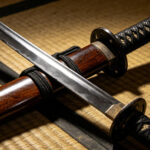
The Japanese Katana became the most recognizable of these weapons, designed for swift drawing and decisive cuts. Alongside it, the wakizashi served as a companion blade for indoor combat and daily wear, while the tanto functioned as a close-defense weapon deeply connected to ritual and honor.
The paired carrying of long and short swords symbolized full samurai status.
2. Sword Names, Signatures, and Spiritual Inscriptions
Each Japanese sword carried an identity. The tang often bore inscriptions detailing the swordsmith, forging date, and regional school. Some blades featured Buddhist symbols engraved as protective charms, reflecting the belief that a sword held spiritual power alongside physical strength.
These elements elevated Japanese swords beyond tools of war, transforming them into cultural artifacts passed down through generations.
3. Steel, Forging, and Craftsmanship
Traditional Japanese steel such as tamahagane formed the foundation of Nihonto. Through folding techniques, impurities were reduced while strength and flexibility were enhanced. Clay tempering created the distinctive hamon line, balancing a hard cutting edge with a resilient spine.
Each blade became unique, combining function, beauty, and symbolism—one reason Japanese swords are often regarded as functional art.
IV. Ninja and Samurai: Light and Shadow
Ultimately, the difference between ninja and samurai lies in worldview.
Ninja embraced anonymity and adaptability, operating from the shadows to alter the course of events unseen. Samurai stood openly, guided by Bushido, accepting death as the price of honor.
One pursued victory at any cost.
The other pursued meaning, even in defeat.
Conclusion: Understanding Japanese History Through the Sword
Whether examining the contrast between ninja and samurai or exploring the evolution of Japanese weapons, the Japanese sword remains the central key to understanding Japan’s martial culture.
It represents discipline, belief, and identity. From historical battlefields to modern anime, from martial arts practice to high-end Japanese sword collecting, the legacy of the katana and the warrior philosophies behind it continue to shape global perceptions of Japan.
To truly understand ninja, samurai, Japanese swords, and traditional Japanese weapons is to understand not just how they fought—but why they lived the way they did.
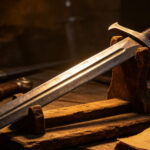
Hand Forged Japanese Ninja Sword 1095 Carbon Steel Straight Blade Ninjato With Blowing Needles