Okinawan Sai Weapon Guide: History, Techniques, and Martial Arts Training
What Is a Sai Weapon and How Is It Used in Okinawan Martial Arts?
Among traditional Japanese weapons, few are as instantly recognizable and culturally significant as the Sai weapon. Originating from Okinawa, Japan, the Sai is a signature weapon of Okinawan Kobudo, a classical martial arts system that preserves ancient weapons techniques. Known for its trident-like shape and versatile applications, the Sai is both a powerful martial arts training weapon and a prized item among traditional weapon collectors worldwide.
Often associated with precision, control, and defensive mastery, the Sai continues to play a vital role in modern martial arts practice, historical study, and even anime and pop culture weapon design.
Origins and History of the Okinawan Sai Weapon
The Okinawan Sai did not originate as a battlefield weapon in the conventional sense. Instead, historians believe the Sai evolved from everyday tools used for law enforcement, farming, or personal defense. Its development was deeply influenced by Okinawa’s unique social environment, particularly during periods when weapons bans prohibited civilians from carrying swords or bladed weapons.
Some researchers suggest that early Sai designs may have been inspired by similar weapons or tools from China, Southeast Asia, and the East Indies. However, within Okinawa, the Sai evolved into a distinct trident-shaped metal weapon, perfectly suited for self-defense, restraint, and weapon control rather than lethal cutting.
As Okinawan Kobudo weapons training developed, the Sai transitioned from a practical defensive tool into a formal martial arts weapon. It became a core instrument for practicing kata (forms), improving reflexes, and cultivating the strategic mindset essential to Kobudo. Over time, the Sai came to symbolize adaptability, discipline, and resilience, reflecting the spirit of Okinawan martial traditions.
Sai Weapon Design and Key Features
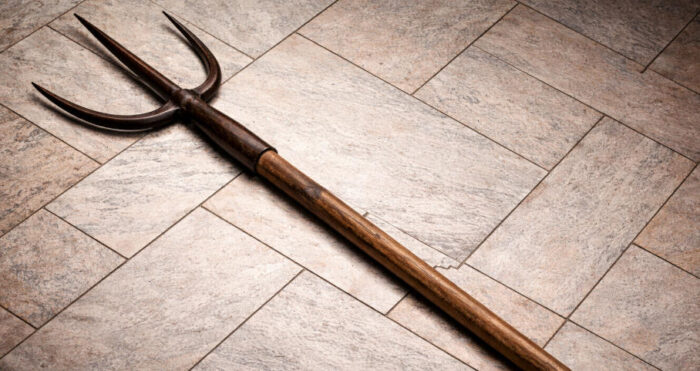
The enduring popularity of the Sai lies in its highly functional and recognizable design. Despite its simple appearance, each part of the Sai serves a precise purpose in combat and training.
Main Components of a Traditional Sai Weapon:
-
Central Shaft (Monouchi): A straight, solid rod used for thrusting, striking, and blocking.
-
Side Prongs (Yoku): Curved guards extending from the base, designed to trap, lock, or deflect an opponent’s weapon.
-
Handle (Tsuka): Often wrapped or textured for a secure grip during fast movements.
-
Pommel or Butt End: Commonly used for striking in close-range combat.
Unlike bladed weapons, the Sai is typically blunt, making it ideal for control-based combat techniques, disarming opponents, and non-lethal self-defense scenarios.
Sai Martial Arts Training and Combat Techniques
In Okinawan Kobudo, Sai training emphasizes coordination, timing, and precision rather than raw power. Practitioners learn to seamlessly switch between offensive and defensive movements.
Dual-Wielding Sai Techniques
Traditionally, the Sai is used in pairs, allowing practitioners to:
-
Execute rapid thrusts and strikes
-
Transition between forward grip and reverse grip
-
Defend and counterattack simultaneously
-
Maintain pressure while controlling distance
Advanced training often includes using a third Sai tucked into the belt as a backup weapon.
Weapon Trapping and Control Techniques
One of the most distinctive aspects of Sai martial arts techniques is weapon control:
-
The Yoku are used to trap swords, staffs, or other weapons
-
Joint control techniques can immobilize an opponent
-
Quick counters exploit openings after a successful block or trap
Mastering these skills requires extensive kata practice, partner drills, and precise wrist control.
The Role of the Sai in Okinawan Martial Arts and Modern Culture
Historically, the Sai represented self-reliance and ingenuity during times when conventional weapons were restricted. It was a symbol of protection and authority, often associated with law enforcement and trained martial artists.
Today, the Sai has gained global recognition through martial arts schools, Kobudo competitions, and self-defense training programs. Beyond traditional dojos, it has become iconic in movies, anime, video games, and cosplay culture, further cementing its status as a legendary weapon.
High-quality Sai replicas, including training Sai and display versions, are highly sought after by martial arts practitioners, collectors of Japanese weapons, and anime weapon fans alike.
Physical and Skill Benefits of Sai Training
Training with the Sai offers significant physical and mental benefits, making it a valuable addition to any martial arts curriculum:
-
Increased wrist and forearm strength
-
Improved hand-eye coordination
-
Enhanced reaction speed and reflexes
-
Better distance control and tactical awareness
-
Sharper focus and discipline through kata practice
These benefits make the Sai not only a historical weapon but also an effective modern training tool.
Sai Weapon Legacy: The Okinawan Trident That Endures
The Sai weapon stands as a timeless symbol of Okinawan martial heritage. Combining history, self-defense practicality, and refined technique, it remains an essential weapon within Okinawan Kobudo and a fascinating subject for martial arts enthusiasts worldwide.
Whether you are researching what is a Sai weapon, exploring traditional Japanese martial arts weapons, training in Kobudo Sai kata, or building a martial arts weapon collection, the Sai continues to hold legendary status. Its balance of form, function, and cultural depth ensures that the Okinawan Sai will remain relevant for generations to come.
https://www.coolkatana.com/