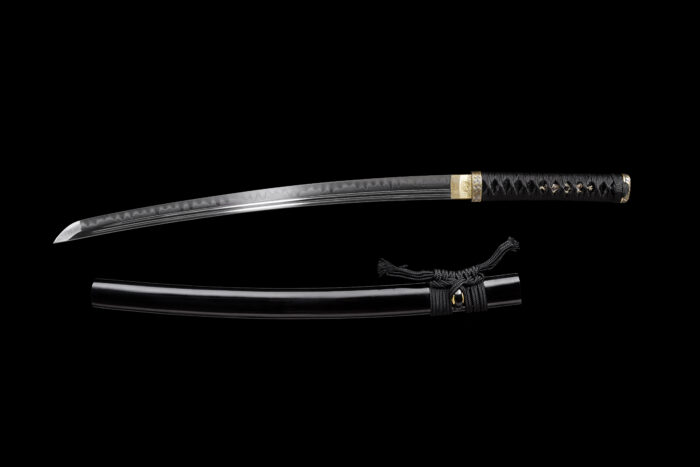
Real Katana vs Wakizashi vs Tanto: Exploring the Parts of Samurai Swords
When you hear the words traditional katana, it often conjures the image of a long, curved, razor-sharp blade with commanding elegance. While many are familiar with the real katana as the iconic weapon of the samurai, fewer understand the depth of craftsmanship, cultural meaning, and symbolism behind this revered sword. Among modern collectors, martial artists, and enthusiasts of Japanese weaponry, the katana remains one of the most coveted treasures. Today, we introduce a masterfully crafted piece — the Hand-Forged Traditional Katana Sword made of 1095 High Carbon Steel with Clay Tempering and Full Tang Construction, a weapon that perfectly blends functionality, artistry, and historical legacy.
I. What Is a Traditional Katana?
The traditional katana (刀) is a curved Japanese sword with a blade length typically ranging from 60 to 80 cm. It stands as the longest member of the samurai sword family, paired with shorter blades like the Wakizashi or Tanto to form the Daisho set. The katana was not only the primary battlefield weapon but also a sacred representation of samurai spirit.
Unlike Western straight-edged swords, the katana’s curvature allowed lightning-fast draws and devastatingly precise strikes. It was built for cutting efficiency while maintaining resilience. More than a weapon, the katana embodied the code of bushido — a warrior’s discipline, loyalty, and honor.
II. A Masterpiece in Steel — 1095 High Carbon Clay Tempered Katana
Collectors seeking realistic katana blades look beyond appearance. They value material, structure, and craftsmanship. This katana is hand-forged with 1095 high carbon steel, one of the strongest steels used for battle-ready swords. Its superior carbon content ensures excellent hardness, edge retention, and cutting power.
The blade undergoes clay tempering, a traditional Japanese technique that creates a distinctive hamon (temper line). This process hardens the edge for maximum sharpness while keeping the spine flexible, preventing brittleness. The hamon is not only visually stunning but also a testament to authentic forging methods.
III. Full Tang & Functional Design
This katana uses full tang construction, meaning the blade’s steel extends through the handle of a sword. This provides superior strength, balance, and handling — essential for both martial arts practice and display. Unlike decorative swords held together with glue or bolts, a full tang katana is durable enough for tameshigiri (cutting practice).
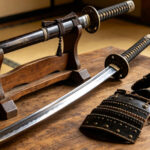
Key parts of swords featured in this piece include:
Tsuka (Handle): Wrapped in rayskin and traditional cord, ensuring a comfortable yet firm grip.
Tsuba (Guard): Protects the hand while serving as an artistic centerpiece.
Kashira (Pommel): Completes the sword’s balance and grip security.
Saya (Scabbard): Lacquered wood, protecting the blade and enhancing its display value.
Each element reflects centuries of Japanese sword-making tradition, turning this katana into both a functional weapon and an artistic creation.
IV. Who Should Own This Katana?
Martial Artists & Practitioners of Iaido/Kendo
For those practicing traditional swordsmanship, this katana provides reliable performance, sharpness, and balance — qualities critical for training and demonstrations.
Collectors & Display Enthusiasts
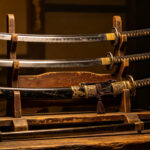
As a custom sword, it can be paired with a Wakizashi and Tanto to complete the three-sword set. Displayed on a stand, it becomes a cultural centerpiece for homes, dojos, or exhibitions.
Fans of Anime Swords & Japanese Culture
Many anime swords are inspired by real Japanese weapons. Owning a realistic katana offers fans a chance to connect with the origins of their favorite characters’ blades.
Gift Buyers & Cultural Enthusiasts
For those seeking meaningful gifts, the katana symbolizes strength, honor, and artistry — making it a unique present for martial artists, history lovers, or corporate milestones.
V. Katana vs Wakizashi vs Tanto
Within the samurai arsenal, each blade carried distinct meaning:
Tanto (Dagger, ~15–30 cm): Compact for self-defense and ceremonial use.
Wakizashi (Short Sword, ~30–60 cm): Versatile, suited for indoor combat and secondary defense.
Katana (Long Sword, ~60–80 cm): The samurai’s primary battlefield weapon and ultimate status symbol.
The katana completes the trio, embodying power and spiritual depth unmatched by other blades.
VI. Care and Maintenance
Even the finest custom sword requires careful upkeep. With its high-carbon steel blade, this katana must be protected from rust and oxidation.
Clean fingerprints and dust after use with a soft cloth.
Apply light oil to the blade regularly to maintain a protective layer.
Store in a dry, ventilated space, avoiding humidity and direct sunlight.
Inspect fittings like the sword pommel and guard for security.
With consistent care, your katana will remain a timeless treasure for generations.
VII. Conclusion: A Katana Bridging History and Modern Craftsmanship
The Hand-Forged Traditional Katana Sword made of 1095 high carbon steel is more than just a weapon. It is a bridge between Japan’s warrior past and today’s passion for artistry and cultural preservation. Whether you are studying sword names, practicing martial arts, collecting historical replicas, or designing swords for display, this katana delivers authenticity and value.
Owning a real katana means owning a piece of history — sharp, elegant, and alive with the spirit of the samurai.
Hand-Forged Japanese Wakizashi Sword T10 High Carbon Steel Clay Tempered Full Tang Battle Ready
Hand-Forged Japanese Wakizashi Sword T10 High Carbon Steel Clay Tempered Full Tang Battle Ready