Samurai Breastplates and Japanese Do Armor History Guide
Samurai Breastplates: The Art, Protection, and Legacy of Japanese Do Armor
Samurai breastplates, commonly known as Japanese Do armor, were the heart of traditional samurai armor systems. More than simple chest protection, the Do symbolized courage, discipline, and social identity. This in-depth guide explores the history of samurai breastplates, their evolution through warfare, craftsmanship techniques, and why Japanese Do armor remains highly valued by collectors and martial arts enthusiasts today.
What Is a Samurai Breastplate (Do Armor)
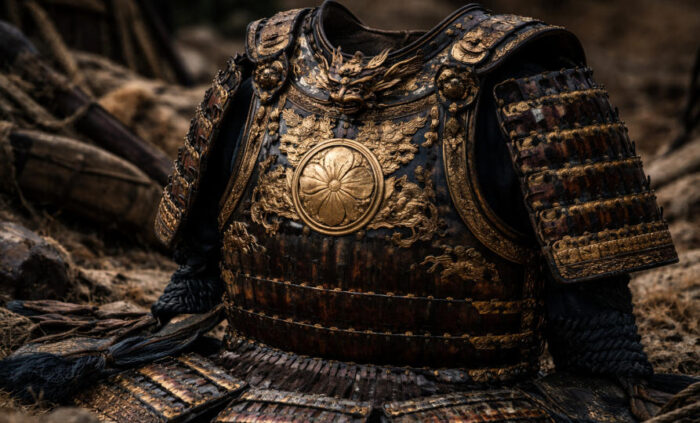
In traditional Japanese armor, the Do refers to the torso armor that protected the chest, abdomen, and vital organs. Within samurai armor history, the breastplate served as the central defensive component, anchoring shoulder guards, waist armor, and back plates.
Unlike Western plate armor, Japanese Do armor was designed to balance protection, flexibility, and mobility, allowing samurai to fight effectively on horseback or on foot.
The Purpose of Samurai Breastplates in Battle
The battlefield role of a samurai breastplate was both practical and strategic:
Deflecting sword cuts, spear thrusts, and arrows
Absorbing impact from close-range combat
Maintaining balance and mobility during long engagements
As warfare intensified, especially during the Sengoku period, breastplates evolved to withstand heavier weapons and early firearms, marking a turning point in Japanese armor development.
Evolution of Japanese Do Armor Through History
Early Samurai Armor Design
Early samurai breastplates were constructed using kozane, small laced scales made from iron or hardened leather. These flexible designs were ideal for mounted archery but offered limited resistance to direct impact.
Rise of Tosei Gusoku Armor
With the arrival of large-scale warfare, the Tosei Gusoku armor system emerged. This modernized form of samurai armor introduced:
Solid iron or steel breastplates
Lacquered surfaces to prevent corrosion
Simplified construction for mass production
Tosei Gusoku breastplates offered superior protection while maintaining a manageable weight, making them standard equipment for late-period samurai warriors.
Major Types of Samurai Breastplates
Understanding different Do armor styles helps explain how samurai adapted to changing combat conditions.
Ō-yoroi Breastplates
Used primarily by elite samurai, Ō-yoroi featured large, box-shaped breastplates designed for mounted combat. These were heavily armored but less flexible, making them less suitable for infantry warfare.
Dō-maru and Haramaki Armor
The Dō-maru and Haramaki styles wrapped around the body, offering increased flexibility and comfort. These breastplates became popular among foot soldiers and later spread to higher-ranking samurai due to their practicality.
Ni-mai Do (Two-Piece Breastplates)
Ni-mai Do armor used a hinged two-plate design, combining rigidity with ease of wear. This style became one of the most recognizable forms of samurai chest armor during the late feudal period.
Materials and Craftsmanship of Samurai Breastplates
Japanese Do armor showcased exceptional craftsmanship:
Iron and steel plates for strength
Urushi lacquer for durability and weather resistance
Silk or leather lacing for flexibility and aesthetics
Many breastplates were decorated with clan crests, engraved patterns, or symbolic colors, transforming functional armor into wearable art.
Cultural Meaning of Samurai Breastplates
Beyond protection, samurai breastplates carried deep symbolic value:
Represented loyalty to clan and lord
Displayed social rank and battlefield identity
Embodied the warrior’s spirit and sense of honor
For samurai, wearing the Do was not only about survival—it was a declaration of purpose and readiness to face death with dignity.
Samurai Breastplates in Modern Collecting and Display
Today, samurai breastplates and Japanese Do armor replicas are highly sought after for:
Historical collections and museums
Home décor and cultural displays
Martial arts study and reenactment
Collectors value authentic design, traditional materials, and accurate historical styling when choosing Do armor for display or study.
Why Samurai Do Armor Still Matters Today
The legacy of samurai breastplates endures because they represent a rare fusion of martial engineering, cultural identity, and artistic expression. From battlefield necessity to modern admiration, Japanese Do armor remains one of the most iconic elements of samurai heritage.
For historians, collectors, and fans of Japanese culture, understanding the art and function of samurai breastplates offers a deeper appreciation of the warrior tradition that shaped Japan’s past.
https://www.coolkatana.com/