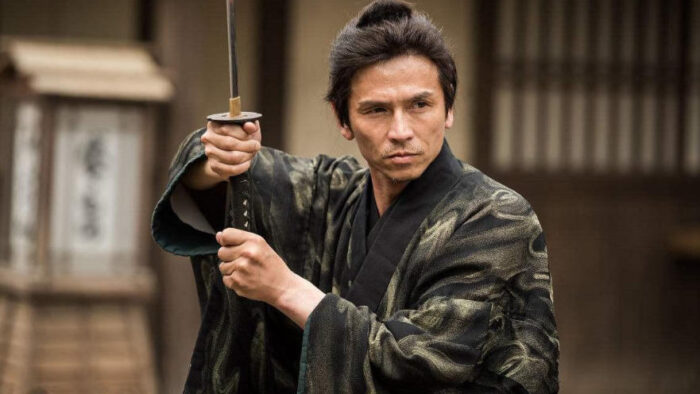
Samurai Clothing: How Dress Revealed Status, Spirit, and Bushido
What Did Samurai Wear? How Samurai Clothing Reflected Status, Spirit, and Bushido
When exploring samurai swords, bushido philosophy, and Japanese warrior culture, one essential yet often overlooked subject is samurai clothing. What did samurai wear in daily life and on the battlefield? How did their garments express social rank, honor, and spiritual values?
Samurai attire was far more than clothing. It was a carefully structured system combining functionality, aesthetics, symbolism, and identity. From everyday kimono and hakama to battlefield undergarments and formal court dress, samurai clothing reflected Japan’s evolving social hierarchy and the inner spirit of the warrior class.
This in-depth guide explores samurai daily wear, battle clothing, ceremonial outfits, and accessories, while also examining how traditional samurai fashion continues to influence modern collecting, anime, film, and pop culture.
Historical Evolution of Samurai Clothing
The samurai emerged as Japan’s dominant warrior class during the Heian period (794–1185) and remained influential through the Kamakura, Muromachi, and Edo periods (1185–1868). Over nearly a thousand years, samurai armor and clothing evolved alongside changes in warfare, governance, and social structure.
Samurai were not only fighters—they were landholders, administrators, and moral exemplars of bushido, the warrior code emphasizing loyalty, discipline, and honor.
Key Stages in Samurai Clothing History
Heian PeriodEarly samurai adopted aristocratic styles, wearing wide-sleeved robes that emphasized nobility and courtly refinement.
Kamakura & Muromachi PeriodsAs warfare intensified, practical samurai outfits became dominant. Hakama, functional war robes, and layered armor clothing were designed for mobility, horseback combat, and battlefield endurance.
Edo PeriodWith Japan largely at peace, samurai transitioned into bureaucrats. Clothing emphasized ceremony, family identity, and rank, particularly through formal garments like kamishimo adorned with clan crests.
The transformation of samurai clothing mirrors Japan’s broader shift from battlefield society to regulated feudal order.
1. Samurai Everyday Clothing: Practicality Meets Social Status
When not wearing armor, samurai dressed in garments that balanced comfort, dignity, and status recognition.
Kimono: The Foundation of Samurai Dress
The kimono was the primary garment in traditional Japanese clothing. Samurai typically wore kimono made from silk or high-quality cotton, favoring muted colors such as indigo, brown, gray, and black.
Patterns and fabric quality subtly indicated rank, clan aesthetics, and personal taste, reinforcing social hierarchy without ostentation.
Hakama: The Iconic Samurai Trousers
Hakama are pleated, wide-leg trousers worn over the kimono. Essential to the samurai outfit, hakama allowed freedom of movement while walking, riding, or practicing martial arts.
Over time, hakama became a visual marker of samurai identity and are still worn today in kendo, iaido, and aikido.
Obi: Where Clothing Meets Weaponry
The obi (belt) secured the kimono and hakama, but for samurai it also served a critical role: supporting sword carry. The katana and wakizashi were worn tucked into the obi, integrating clothing with weapon readiness.
2. Samurai Battle Clothing: Mobility Under Armor
Before wearing full samurai armor (yoroi or do-maru), warriors dressed in specialized battle undergarments designed to reduce friction, manage heat, and improve endurance.
Fundoshi & Hitoe
Fundoshi: Traditional loincloth providing secure movement during combat
Hitoe: Lightweight, unlined garments worn beneath armor for comfort
These layers prevented chafing and allowed samurai to endure long hours on campaign.
Foot and Leg Wear: Tabi & Kyahan
Tabi: Split-toe socks that improved balance and grip when wearing sandals
Kyahan: Cloth gaiters protecting the lower legs while maintaining flexibility
Such details highlight how samurai clothing was engineered for real combat conditions, not just appearance.
3. Samurai Formal and Ceremonial Attire: Authority in Cloth
Formal samurai clothing symbolized education, rank, and political authority, especially during public appearances and official duties.
Hitatare (Heian Formal Wear)
Hitatare featured long sleeves and flowing silhouettes derived from aristocratic fashion. It was worn during ceremonies and early military service.
Kamishimo (Edo Period Formal Attire)
During the Edo period, the iconic kamishimo became standard formal wear. It consisted of:
Kataginu: Sleeveless jacket with exaggerated shoulders
Hakama: Structured trousers
Mon (Family Crests): Displayed clan identity and loyalty
Kamishimo visually reinforced samurai hierarchy and social order, even in times of peace.
4. Samurai Accessories: Function, Art, and Symbolism
Samurai accessories combined utility, refinement, and symbolic meaning.
Sageo & Inro
Sageo: Cord securing the sword scabbard, also used for practical tasks
Inro: Small containers hung from the obi, used to carry seals, medicine, or incense
Tessen: The Samurai War Fan
The tessen (iron fan) functioned as a signaling device and concealed weapon, embodying the samurai ideal of grace paired with preparedness.
Kiseru and Personal Items
Smoking pipes (kiseru) and other personal effects reflected a samurai’s cultivated taste beyond combat.
5. Modern Influence: Samurai Clothing in Anime, Film, and Collecting
Today, samurai clothing and armor continue to influence:
Anime and manga character design
Historical films and cosplay
Martial arts uniforms
Modern fashion inspired by traditional Japanese aesthetics
From anime samurai outfits to museum-grade reproductions, traditional warrior clothing allows modern audiences to connect with Japanese history and bushido spirit.
Conclusion: Samurai Clothing as History, Identity, and Spirit
From everyday kimono and hakama to battlefield underlayers, ceremonial kamishimo, and symbolic accessories, samurai clothing formed a complete cultural system.
It expressed status, discipline, responsibility, and aesthetic philosophy, embodying the values that defined the samurai class for centuries.
Whether you are researching what samurai wore, studying Japanese warrior culture, or collecting traditional arms and attire, understanding samurai clothing offers a powerful window into Japan’s historical soul and enduring legacy.
https://www.coolkatana.com