Samurai Sword Care: Maintain Your Katana and Honor Japanese Sword History
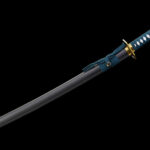
The samurai sword is more than just a weapon—it’s a symbol of honor, skill, and the artistry of Japanese sword history. From the elegant curvature of its blade to the intricate details of its fittings, each katana tells a story. Whether you own a real katana, a handmade samurai sword, or a modern martial arts training sword, proper katana maintenance is vital to protecting both its beauty and performance. In this guide, we’ll explore the best cleaning techniques, essential tools, and key precautions every sword owner should know.
Why Is Samurai Sword Maintenance Important?
Traditional katanas are often forged from high-carbon steel or folded steel—metals known for their razor-sharp edges and unique grain patterns. While beautiful, these steels are also prone to rust if not cared for properly. Moisture, oils from your hands, and even the humidity in the air can damage the blade over time. By following a consistent care routine, you protect your sword’s cutting ability, prevent corrosion, and keep its historical essence intact.
Essential Tools for Katana Maintenance
Before you begin cleaning, prepare the right tools to avoid damaging any parts of swords:
Soft microfiber or cotton cloth
Japanese sword oil (such as choji oil or pure mineral oil)
Uchiko powder ball (traditional polishing powder)
Mekugi removal tool or bamboo peg remover
Cotton swabs for detailing
A clean, dry workspace
Step-by-Step Cleaning Process
1. Remove the Handle (Tsuka)
Carefully remove the tsuka by taking out the bamboo pegs (mekugi). This allows you to inspect the tang and the blade-handle joint for hidden rust or dirt. Handle with care to avoid scratching or chipping the blade.
2. Apply Uchiko Powder
Gently tap the Uchiko ball along the blade. This fine powder absorbs old oil and grime without scratching the surface. Wipe the blade in one direction only to avoid damaging the steel’s polish.
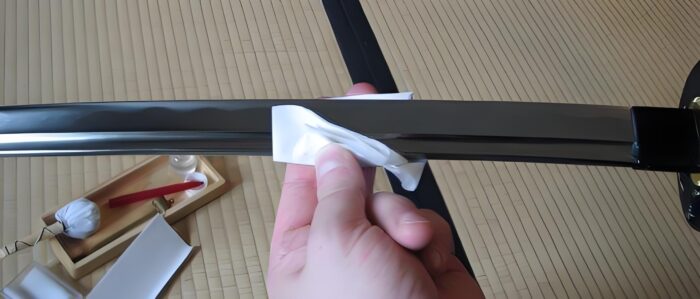
3. Thoroughly Wipe the Blade
Using a clean, soft cloth, remove all powder and debris. Always wipe from the base toward the tip in a single motion to preserve sharpness.
4. Oil the Blade
Lightly coat the blade with Japanese sword oil using a fresh cloth or cotton pad. This thin layer of oil prevents oxidation and maintains the blade’s sheen.
5. Clean the Saya (Scabbard)
The saya’s interior should remain dry and free of dust. For wooden sheaths, avoid water exposure and store them in a cool, ventilated space.
6. Reassemble the Sword
Once cleaned and oiled, carefully reattach the tsuka, ensuring the mekugi are secure. The sword should now be ready for safe storage or display.
Additional Samurai Sword Care Tips
Avoid touching the blade with bare hands to prevent oil and moisture transfer.
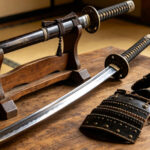
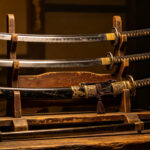
Store swords in a katana display stand or sword bag to protect them from environmental damage.
Perform katana maintenance more often in humid climates.
Never use abrasive materials like steel wool, which can scratch the blade.
How Much Does a Katana Weigh?
A traditional katana typically weighs between 1 kg and 1.5 kg (2.2–3.3 lbs), depending on the blade’s length, steel type, and craftsmanship. Many real katanas designed for martial arts weigh around 1.1 kg (2.4 lbs) for optimal maneuverability. Display swords may vary in weight but should still maintain the proper balance that defines a true samurai blade.
How Much Is a Samurai Sword Worth?
The value of a samurai sword depends on factors such as:
Craftsmanship – Master swordsmiths command higher prices.
Material – High-carbon or Damascus steel blades cost more.
Authenticity – Genuine antiques are prized by collectors.
Origin – Japanese-made katanas are generally more valuable.
Price ranges:
Hand-forged samurai swords: $300–$1,100 USD
High-end antiques: $2,000+ USD
Decorative replicas: $50–$150 USD
Final Thoughts
Owning a samurai sword—whether it’s a real katana, a custom-made piece, or a historical treasure—comes with the responsibility of preservation. Regular cleaning not only keeps your sword beautiful but also honors the Japanese sword history it represents. If you’re searching for a katana for sale or designing your own custom samurai swords, mastering proper maintenance ensures your blade remains a lasting symbol of craftsmanship, culture, and the spirit of Bushido.
Hand Forged Sakabato Shirasaya Katana Reversed-Edge Japanese Sword 1095 Steel Clay Tempered
Hand Forged Sakabato Shirasaya Katana Reversed-Edge Japanese Sword 1095 Steel Clay Tempered