The Timeless Elegance of Japanese Culture: Tradition and Craftsmanship
Japanese culture is renowned for its deep-rooted traditions, exquisite craftsmanship, and spiritual significance. From the samurai armor (Yoroi) to the refined tea ceremony and delicate folding fans, these cultural symbols offer a window into Japan’s rich history and philosophical ideals. Each item not only serves a functional purpose but also embodies the aesthetic, spirit, and meticulous craftsmanship that define Japan’s approach to art and life. Understanding these traditional crafts allows one to better appreciate the essence of Japanese culture, offering a unique opportunity to experience its profound philosophical and cultural depths.
The Japanese Tea Ceremony: A Path to Tranquility and Reflection
The Japanese tea ceremony ( Chado) is more than just a ritual for drinking tea; it is an art form that integrates Japan’s philosophical principles and spiritual practices into a harmonious experience. Rooted in the culture of the samurai, the tea ceremony revolves around the four guiding principles of ‘wa, kei, sei, jaku,’ which signify harmony, respect, purity, and tranquility. Every aspect of the ceremony, from the selection of the utensils to the choreography of each step, reflects Japan’s commitment to detail and peace.
The ceremony is not simply a social event but an act of self-cultivation, requiring a deep focus on the smallest details. Tools like the chawan (tea bowl) and chashaku (tea scoop) are carefully chosen, and the process itself promotes mindfulness and concentration. Participating in or witnessing a tea ceremony offers an opportunity to experience peace and reflection, encapsulating Japan’s reverence for nature and the fleeting beauty of life.
Japanese Folding Fans: Symbols of Grace and Status
Folding fans (sensu) are quintessential elements of traditional Japanese art, serving both utilitarian and artistic functions. Made from delicate paper or silk, these fans are often adorned with intricate patterns and motifs that reflect the beauty of Japanese culture. While fans are commonly used in dance performances and as a daily accessory, they also carry significant cultural weight, symbolizing elegance, refinement, and status.
In samurai culture, folding fans were more than ornamental—they represented the wearer’s identity and social standing. Whether at formal banquets or in theatrical performances, the folding fan expressed a sense of grace and nobility, echoing Japan’s aesthetic principle that “details make all the difference.” The fan is a perfect representation of the pursuit of beauty in all things.
Japanese Masks: A Convergence of Art, Drama, and Spirit
Japanese masks ( Noh-men) hold an esteemed place in the country’s artistic traditions, particularly in theater forms like Noh and Kabuki. Crafted with precision, these masks are designed to express the full range of human emotions and spiritual themes, from joy and sorrow to the supernatural. The design of Noh and Kabuki masks reflects the artistry of Japanese craftsmanship and the deep spiritual meanings embedded within.
The demon mask, for example, is a recurring symbol in these performances, representing powerful deities or malevolent spirits. Kabuki masks, with their exaggerated features, heighten the emotional intensity of the performances, drawing the audience into the story. Each mask is more than a simple prop; it is a visual expression of Japan’s rich spiritual and artistic heritage.
Traditional Japanese Dolls: The Beauty of Craftsmanship and Culture
Japanese dolls ( Nihon-ningyo) are timeless symbols of Japan’s traditional craftsmanship, often used in festivals and as decorative objects. Dolls like the Hina dolls, featured during the Hina Matsuri festival, are exquisite representations of traditional Japanese attire and craftsmanship. These dolls are meticulously crafted, with attention to detail in their clothing and facial expressions, reflecting the deep respect for beauty and cultural heritage in Japan.
Beyond their role in festivals, Japanese dolls symbolize Japan’s reverence for family, tradition, and history. Whether as collectible items or decorative pieces, each doll tells a story, embodying the customs and values of Japanese society.
Samurai Armor: The Physical Manifestation of Bushido
Samurai armor ( Yoroi) stands as one of the most iconic symbols of Japan’s warrior culture. The design of Yoroi armor was both functional and symbolic, serving not only as protection in battle but also as a powerful representation of the samurai’s identity, honor, and strength. Crafted from layered materials like iron, leather, and silk, the armor was meticulously constructed using techniques such as odoshi, which involved weaving cords to create a flexible and durable suit of armor.
The philosophy of Bushido, or the Way of the Warrior, guided the samurai, emphasizing loyalty, honor, courage, and discipline. These values were embodied in every piece of armor, from the Kabuto (helmet) to the Sode (shoulder guards), reflecting the spiritual strength and commitment of the samurai. The craftsmanship of samurai armor continues to influence modern Japanese culture, representing a timeless legacy of courage and honor.
Is Yoroi Armor Canonical?
Historically, Yoroi armor is very much canonical, particularly during the Heian and Warring States periods, where it played a crucial role in protecting warriors on the battlefield. Made from materials such as iron plates, leather, and fabric, Yoroi was crafted to be both protective and agile, designed to allow the samurai to move freely while offering substantial defense.
However, when referring to armor designs in movies, anime, or games, artistic interpretations often introduce fantastical elements. In these contexts, the armor may not strictly adhere to historical accuracy but rather serve as a visual expression of the samurai’s warrior spirit. Therefore, the “canon” of Yoroi depends on whether one is discussing historical reality or fictional depictions in modern media.
COOLKATANA’s Handmade Samurai Armor
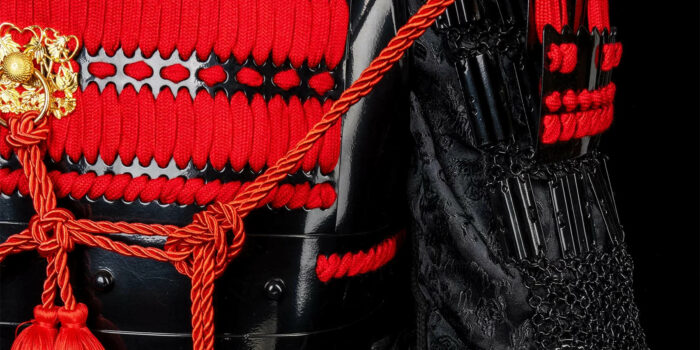
COOLKATANA offers an exceptional life-sized replica of Japanese samurai armor that faithfully captures the spirit of the Warring States period. Handcrafted by skilled artisans using traditional techniques and materials, this armor is not only a stunning display piece but also a functional, historically accurate reproduction. Each component of the armor, from the iron chestplate to the intricate odoshi cord, is crafted with meticulous attention to detail, reflecting the strength and elegance of Japan’s ancient warriors.
The black lacquer finish adds a sense of gravitas, while the hand-crafted elements showcase the artistry and craftsmanship that define the samurai tradition. This armor is designed for individuals of medium build (height between 170 to 180 cm) but can be customized for a perfect fit. It includes accessories such as a black lacquer storage box and stand, making it a perfect piece for collectors or cultural enthusiasts.
Whether displayed as a historical artifact or worn for reenactments, this handcrafted samurai armor allows you to connect with the timeless spirit of Bushido and experience Japan’s rich cultural legacy.
Handmade Japanese Samurai Armor – A Life-Size, Fully Functional Yoroi
SHOP NOW
Handmade Japanese Samurai Armor, Life-Size Fully Functional Yoroi
Conclusion
From the profound rituals of the tea ceremony to the striking beauty of folding fans and the spiritual power of samurai armor, Japan’s traditional crafts offer an unparalleled glimpse into its rich cultural heritage. Each artifact is imbued with the philosophical wisdom, aesthetic refinement, and historical significance that have shaped Japan’s cultural identity over centuries. By exploring these treasures of Japanese culture, one can gain a deeper understanding of the country’s spiritual worldview, its reverence for nature, and its pursuit of harmony and beauty in all things.
Whether you’re drawn to the elegant simplicity of a tea ceremony or the noble legacy of samurai armor, Japan’s traditional arts offer endless opportunities for discovery and appreciation. Embrace the beauty of Japanese culture and immerse yourself in the timeless wisdom it holds.