What Is a Claymore Sword? History of the Scottish Claymore
What Is a Claymore? History, Design, and Legacy of the Scottish Claymore Sword
The claymore sword is one of the most powerful and recognizable weapons in European history. Known for its impressive size and battlefield strength, the Scottish claymore symbolizes the courage, honor, and fighting spirit of Highland warriors.
From medieval warfare to modern fantasy culture, the claymore remains a legendary weapon admired by historians, collectors, and sword enthusiasts worldwide.
What Is a Claymore Sword?
So, what is a claymore?
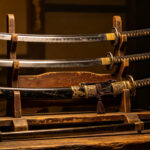
A claymore sword is a large, two-handed weapon originating from Scotland. The name comes from the Gaelic term claidheamh mòr, meaning “great sword.” This name reflects its massive size and powerful design.
Traditionally, the term refers to the two-handed Highland sword used between the 15th and 17th centuries. In some contexts, it may also refer to the later basket-hilted broadsword, though the two-handed version is the most iconic.
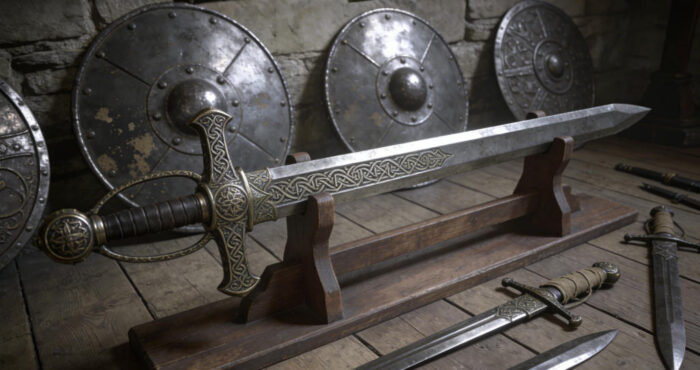
Key features of a traditional claymore weapon include:
- Long, straight, double-edged blade
- Extended two-handed grip
- Forward-sloping crossguard
- Exceptional reach and cutting power
These characteristics made it one of the most effective medieval greatswords in Europe.
Origins of the Scottish Claymore
The history of the claymore sword begins in the Scottish Highlands during the late medieval period. This was a time of frequent clan warfare and conflicts, where powerful and reliable weapons were essential.
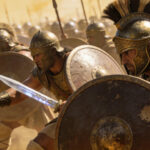
Highland warriors preferred aggressive combat styles, relying on strength and speed. The claymore’s long reach and heavy cutting ability made it ideal for close-range battles and breaking enemy formations.
By the 15th and 16th centuries, the claymore had become a defining weapon of Highland fighters. It was often used alongside:
- The targe (a round shield)
- The dirk (a traditional dagger)
Together, these formed a versatile and deadly combat system.
Design and Specifications of the Claymore Sword
The Scottish claymore sword is famous for its distinctive design and balanced construction.
Blade Length and Size
Claymores typically have blades over 100 cm long, with an overall length reaching around 140 cm. Despite their size, they are designed for controlled, efficient movement.
Two-Handed Grip
The long handle allows warriors to use both hands, increasing striking force, control, and stability during combat.
Crossguard Style
The forward-sloping crossguard is a defining feature. It helps protect the hands while also improving defensive capability.
Weight and Balance
Most claymores weigh between 1.5 and 2.5 kg, offering a strong balance between power and maneuverability.
Battlefield Role of the Claymore Weapon
The claymore was highly effective in combat due to its size and versatility.
Extended Reach
Its long blade allowed warriors to strike enemies from a safer distance, giving them a tactical advantage.
Powerful Strikes
Two-handed use enabled devastating swings capable of breaking armor and shields.
Shock Combat Weapon
Claymores were especially effective during aggressive charges, where speed and force were used to overwhelm opponents quickly.
Decline of the Claymore in Warfare
By the 17th century, advancements in firearms such as muskets changed the nature of warfare. Large swords like the claymore gradually became less practical on the battlefield.
However, the claymore did not disappear. Instead, it evolved into a:
- Ceremonial weapon
- Cultural symbol
- Historical artifact
Cultural Legacy of the Claymore Sword
Today, the Scottish claymore remains a powerful symbol of heritage and identity. It represents the strength and independence of Highland warriors.
The claymore frequently appears in:
- Fantasy films and series
- Video games and RPGs
- Historical reenactments
- Medieval-themed events
Its iconic shape has made it a symbol of the classic “great sword” in popular culture.
Claymore Sword vs Other Greatswords
The claymore belongs to a wider group of European two-handed swords, including:
- German greatswords
- Renaissance battlefield swords
- Other long two-handed weapons
While similar in function, the claymore stands out for its unique Scottish design and cultural significance.
Modern Claymore Sword Collecting
Today, claymore replicas are highly popular among collectors and enthusiasts. Modern versions often feature:
- High-carbon steel blades
- Traditional forging styles
- Handcrafted details
They are commonly used for:
- Decorative display
- Historical collections
- Cosplay and reenactments
- Training and demonstrations
Owning a claymore sword offers a connection to the rich history of medieval Scotland.
Conclusion: The Enduring Power of the Claymore
So, what is a claymore?
It is more than just a weapon—it is a symbol of power, tradition, and warrior spirit. The claymore sword has left a lasting mark on history, representing the bravery and strength of the Scottish Highlands.
Even today, its legacy continues to inspire collectors, historians, and fans of medieval weaponry around the world.
https://www.coolkatana.com/