Why Brigandine Armor Dominated Medieval Battlefields
Why Brigandine Armor Became a Battlefield Favorite in Medieval Europe
On the battlefields of medieval Europe, few forms of protection were as widely used and tactically effective as Brigandine armor. Favored by infantry, archers, light cavalry, and even knights, brigandine offered a unique balance of mobility, protection, affordability, and ease of repair. Unlike heavy full plate armor, it allowed soldiers to fight, march, and maneuver for long periods without sacrificing safety.
As a cornerstone of medieval military equipment, brigandine armor plays a vital role in understanding historical armor systems, 14th–15th century warfare, and the evolution of personal body protection. This article explores what brigandine armor is, its origins, construction, battlefield performance, cultural legacy, and why it remained a preferred choice for medieval soldiers.
What Is Brigandine Armor?
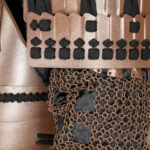
Brigandine armor is a type of medieval body armor consisting of numerous small metal plates riveted to the inside of a fabric or leather jacket, commonly known as a brigandine jacket. From the outside, it appears as a cloth or leather garment studded with visible rivet heads, while the true protection lies hidden within.
This clever design made brigandine both protective and flexible, bridging the gap between mail armor (chainmail) and full plate armor. It was especially popular during the 14th and 15th centuries, when battlefield tactics demanded speed, endurance, and adaptability.
Historical Origins and Evolution of Brigandine Armor
Brigandine armor first emerged in 14th-century Europe, a period marked by rapid changes in military technology and professional warfare. Soldiers needed armor that could resist swords, spears, and arrows while remaining lightweight enough for long campaigns.
The name brigandine is often linked to the word brigand, referring to lightly armed troops or irregular fighters. Early brigandines were likely worn by infantry and mercenaries, who valued mobility over the heavy protection of plate armor.
As medieval armies became more organized, brigandine evolved from a common soldier’s defense into a respected form of knightly armor. Noble guards, men-at-arms, and even mounted warriors adopted brigandine due to its practicality. Over time, improvements in steel plate quality, riveting techniques, and tailored construction enhanced both protection and comfort.
By the late Middle Ages, brigandine had become one of the most widely used forms of medieval torso armor, suitable across social classes and military roles.
Structure and Design of Medieval Brigandine Armor
The defining feature of brigandine armor is its layered internal plate system. Dozens or even hundreds of small iron or steel plates are carefully overlapped and riveted inside a tough outer shell made of leather or heavy fabric.
Key design advantages include:
Impact dispersion: Overlapping plates spread force from sword strikes and blunt weapons
Piercing resistance: Effective against arrows, spears, and thrusting attacks
Flexibility: Plates move with the body, allowing natural motion
Modular repair: Individual plates can be replaced without rebuilding the entire armor
High-status brigandines often featured decorative fabrics such as velvet, silk, or brocade, turning functional armor into a visible symbol of rank and wealth.
Battlefield Performance and Practical Use
On medieval battlefields, brigandine armor proved exceptionally versatile. Compared to full plate armor, it offered greater agility, making it ideal for:
Infantry soldiers
Archers and crossbowmen
Light cavalry
Scouts and skirmishers
Brigandine was commonly worn over a gambeson or padded arming jacket, creating a layered defense system that absorbed shock and reduced blunt trauma.
During conflicts such as the Hundred Years’ War, brigandine became a standard choice for professional soldiers. Its lighter weight reduced fatigue during long marches, while its protective capability remained sufficient against the most common medieval weapons.
Cultural and Historical Significance of Brigandine Armor
Brigandine armor appears frequently in medieval manuscripts, illuminated texts, tapestries, and battlefield illustrations, often depicted as the standard armor of soldiers and men-at-arms. Its distinctive riveted appearance became an iconic visual marker of late medieval warfare.
In modern times, brigandine continues to influence popular culture. It is widely featured in:
Historical films and TV series
Medieval reenactments and living history events
Museum collections and academic research
Fantasy and role-playing game designs
Its layered construction has even inspired aspects of modern tactical body armor, demonstrating the lasting relevance of medieval engineering principles.
Modern Reconstructions and Collecting Brigandine Armor
Today, historical reenactors, armor collectors, and medieval enthusiasts highly value brigandine replicas. Skilled armorers recreate brigandines using traditional methods—hand-riveting steel plates inside leather or fabric shells—to achieve historical accuracy.
These modern reproductions are used for:
Reenactment combat
Educational demonstrations
Museum exhibitions
Private armor collections
A well-crafted brigandine replica is not only functional armor but also a tribute to medieval craftsmanship and warrior culture.
Brigandine vs Other Medieval Armor Types
When compared with other forms of medieval armor, brigandine stands out for its balance:
Brigandine vs Chainmail
Better blunt-force protection
Less weight concentrated on shoulders
Easier maintenance
Brigandine vs Plate Armor
Greater flexibility and comfort
Lower cost
Easier repairs in the field
Key Advantages of Brigandine Armor
High mobility and flexibility
Lighter than full plate armor
Strong protection against common medieval weapons
Cost-effective and repairable
Suitable for prolonged campaigns
These strengths explain why brigandine remained dominant even as plate armor advanced.
Conclusion: The Enduring Legacy of Brigandine Armor
Brigandine armor represents one of the most successful solutions in the history of medieval protective equipment. Combining intelligent design, battlefield efficiency, and social adaptability, it protected generations of soldiers while shaping the evolution of armor technology.
For anyone interested in medieval warfare, historical armor, knight equipment, or European military history, brigandine armor offers invaluable insight into how soldiers balanced protection with performance. Its legacy endures—not only in museums and reenactments, but also in the principles that continue to influence modern armor design.
https://www.coolkatana.com