Are Folded Steel Katanas Better for Collection or Combat?
Are Folded Steel Katanas Better for Collection or Combat?
Folded steel katanas hold a special place among sword enthusiasts, martial artists, and collectors for their elegant steel grain patterns (Hada), historical forging methods, and superb balance between sharpness and resilience. But when it comes to real use — are folded steel katanas better for collection or combat? Let’s explore their origins, forging techniques, material properties, and modern appeal to understand why these blades continue to captivate both collectors and practitioners alike.
What Is Folded Steel?
Folded steel refers to a traditional Japanese steelmaking process that involves repeatedly forging, folding, and hammering high-carbon steel. This method was developed to improve steel quality and performance in ancient katana-making.
Key advantages include:
Impurity removal – Multiple folds remove slag and imperfections, creating a purer structure.
Enhanced toughness – Repeated layering builds strength and flexibility.
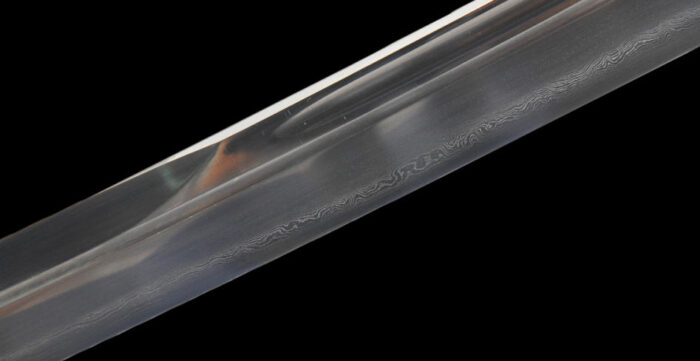
Distinctive patterns (Hada) – Every sword displays a one-of-a-kind grain pattern, increasing artistic and collectible value.
Thus, folded steel represents not only a forging method but also a symbol of Japanese sword craftsmanship and cultural aesthetics.
Historical Origins: The Legacy of Folded Steel
The folded steel technique emerged from ancient Japanese swordsmiths’ pursuit of perfection. Limited by inconsistent steel quality, they discovered that repeated folding and hammering refined impurities and formed a beautiful, layered structure. The result was a blade that was both razor-sharp and incredibly durable.
During Japan’s Sengoku period, folded steel katanas symbolized more than weapons — they embodied a samurai’s honor, loyalty, and courage. Each layer of folded steel represented the swordsmith’s devotion, making every blade a reflection of spiritual purity and craftsmanship.
Today, modern folded steel katanas continue this legacy with advanced materials and heat treatment, making them suitable for both combat and collection. Their unique textures and historical symbolism make them prized possessions among collectors and martial artists worldwide.
Material Characteristics: The Balance of Sharpness and Strength
Folded steel katanas are typically made from high-carbon steels such as T10, 1095, or 9260, enhanced through multiple folding cycles and precise heat treatment.
High Hardness & Sharpness – Folding densifies the blade, ensuring lasting sharpness for cutting practice and demonstrations.
Toughness & Impact Resistance – Layered steel construction distributes shock evenly, reducing the risk of chipping.
Unique Hada Patterns – Each sword features distinct grain patterns based on folding count and technique, combining performance with visual artistry.
This blend of durability, precision, and aesthetics makes folded steel katanas ideal for both practical use and display collections.
Craftsmanship: Forged Through Tradition and Skill
The crafting of a folded steel katana involves dozens of meticulous steps:
Hand Forging – Heated steel is folded and hammered repeatedly to refine its structure and reveal natural Hada patterns.
Clay Tempering (Yaki-Ire) – A clay coating controls cooling during quenching, hardening the edge while maintaining a flexible spine, resulting in the iconic Hamon wave pattern.
Polishing & Finishing – Skilled artisans polish the blade to expose the Hamon and Hada, achieving a mirror-like surface and perfect balance.
Each blade represents hundreds of hours of craftsmanship, uniting tradition and precision to produce a weapon of both beauty and function.
Practical Use vs. Collectible Value
For Martial Arts and Combat
Folded steel katanas are a favorite among Iaido, Kendo, and Tameshigiri practitioners. Their sharpness and resilience allow for repeated use in cutting exercises without damage. The blade’s excellent balance and flexibility ensure smooth, controlled strikes — ideal for real martial practice.
For Collectors and Displays
Collectors value folded steel katanas for their unique steel grain (Hada) and temper line (Hamon), which make every sword a distinct work of art. Paired with handcrafted fittings and lacquered scabbards, they embody centuries of Japanese swordmaking heritage — perfect for display or appreciation.
For Anime and Cultural Enthusiasts
Folded steel katanas have inspired countless weapons in anime, film, and gaming, such as Rurouni Kenshin and Demon Slayer (Kimetsu no Yaiba). Fans collect these swords not just as props but as tangible symbols of Japanese culture and craftsmanship.
Verdict:
While folded steel katanas are absolutely combat-ready, their collectible and artistic value often makes them even more cherished as display pieces and heirlooms.
Aesthetic Design: The Harmony of Form and Function
From handle to scabbard, every component of a folded steel katana is a study in balance and beauty:
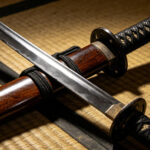
Handle (Tsuka): Wrapped in genuine ray skin and silk cord for a firm, ergonomic grip.
Scabbard (Saya): Lacquered wood or custom-carved designs provide both protection and elegance.
Fittings (Tsuba, Menuki, Kashira): Functional yet decorative, enhancing balance and visual appeal.
Hamon & Hada: Naturally formed through forging and quenching, these patterns make each sword unmistakably unique.
This seamless fusion of artistry and engineering ensures that folded steel katanas stand as both powerful weapons and masterpieces of design.
Featured Example: Hand-Forged Japanese Samurai Katana Gyaku-Kobuse 1095 Carbon Steel + Folded Steel Clay Tempered
This Gyaku-Kobuse katana blends 1095 high-carbon steel with folded steel layers, then undergoes clay tempering for perfect balance between hardness and flexibility.
Key Features:
Razor-sharp 1095 steel core for cutting precision
Multi-layer folded steel blade for toughness and beauty
Clay tempering for natural Hamon and balanced resilience
Traditional curved blade with ray skin handle and lacquered scabbard
Ideal for martial artists, collectors, and cultural display
SHOP NOW
Hand Forged Japanese Samurai Katana Sword Gyaku-Kobuse 1095 Carbon Steel+Folded Steel Clay Tempered
Conclusion: Why Folded Steel Katanas Are Worth Owning
Folded steel katanas bridge the gap between ancient tradition and modern craftsmanship. For collectors, they represent the peak of Japanese sword artistry; for martial artists, they provide a durable and balanced blade suitable for real use. Whether admired for their elegant patterns or wielded in practice, these swords embody the spirit of the samurai — discipline, precision, and honor.
So, are folded steel katanas better for collection or combat?
The answer is simple — they excel at both.