Custom Katana Guide: Structure, Design & Anime Sword Customization
Custom Katana Guide: Sword Structure, Anime Samurai Sword Design & Full Customization
In the modern sword market, the custom katana has become more than just a weapon—it is a personalized expression of craftsmanship, culture, and identity. From traditional Japanese sword collectors to anime fans and martial arts practitioners, more people are choosing to design their own samurai sword for both function and aesthetics.
This in-depth guide will walk you through katana structure, customization options, and anime samurai sword design trends, helping you create a blade that reflects your personal style while maintaining authenticity.
What Is a Custom Katana?
A custom katana is a fully personalized Japanese sword where every component is tailored to the user’s preferences. Unlike standard production models, custom swords allow full control over materials, colors, fittings, and performance specifications.
Historically, samurai warriors commissioned swords based on their combat needs and personal identity. Today, this tradition continues through modern katana customization services, offering a blend of heritage and innovation.
Why Choose a Custom Samurai Sword?
- Full control over design, materials, and color combinations
- Better balance and performance for cutting or practice
- Unique, one-of-a-kind collectible value
- Ideal for anime replicas, cosplay swords, or themed builds
- Strong connection to traditional Japanese sword craftsmanship
Complete Katana Structure Explained
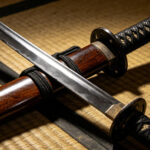
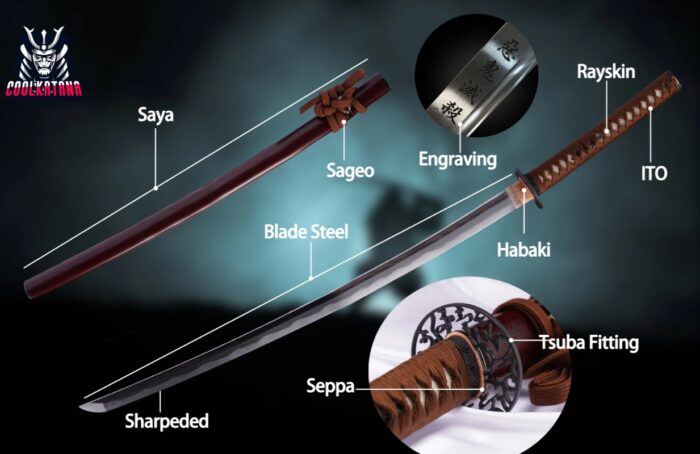
Understanding the parts of a katana is essential before starting the customization process. Each component plays a role in performance, durability, and appearance.
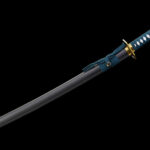
Blade (Nagasa)
The blade is the most critical part of any samurai sword.
Key customization options:
- Steel Types: 1060 carbon steel, 1095 high carbon steel, T10 steel, Damascus steel
- Hamon (temper line): Real or decorative, created through clay tempering
- Sori (curvature): Influences cutting efficiency and style
- Full Tang Construction: Ensures strength and long-term durability
High carbon steel blades are especially popular for battle ready katana builds due to their sharpness and resilience.
Handle (Tsuka)
The tsuka directly affects grip, comfort, and control.
Customization includes:
- Samegawa (ray skin) for texture and durability
- Ito wrap in silk, cotton, or leather
- Various wrapping styles and color combinations
- Custom handle length for ergonomics
A well-crafted handle enhances both performance and visual appeal.
Guard (Tsuba)
The tsuba protects the hand while adding artistic character.
Popular options:
- Traditional iron tsuba with historical motifs
- Brass or alloy engraved designs
- Anime-inspired tsuba featuring symbolic patterns
Scabbard (Saya)
The saya is both protective and decorative.
Customization features:
- Glossy, matte, or hand-polished finishes
- Solid colors or multi-color designs
- Hand-painted artwork or engraved patterns
- Matching sageo (cord) styles
Fittings (Koshirae)
The smaller details complete the sword’s identity:
- Menuki (decorative ornaments)
- Fuchi & Kashira (handle collar and pommel)
- Habaki (blade collar for stability)
These elements define the overall theme, whether traditional, modern, or anime-inspired.
Anime Katana & Modern Sword Design Trends
The rise of anime culture has significantly influenced custom katana design, creating a new category of anime samurai swords.
Popular styles include:
- Black blades, red blades, and colored steel finishes
- Flame patterns, lightning engravings, or symbolic markings
- Designs inspired by famous anime weapons
- Fully themed swords for cosplay or display
Anime katana replicas combine traditional forging techniques with bold, modern aesthetics, making them highly popular among collectors and fans.
Step-by-Step Custom Katana Design Process
Designing your own sword is a structured and creative process:
Step 1: Choose Sword Type
- Katana (standard long sword)
- Wakizashi (short companion sword)
- Tanto (compact blade)
- Nodachi (extra-long battlefield sword)
Step 2: Select Blade Material
- 1060 steel for durability
- 1095 high carbon steel for sharpness
- T10 clay-tempered steel for visible hamon
- Damascus steel for layered patterns
Step 3: Define Blade Geometry
- Blade length based on height and usage
- Curvature for cutting efficiency
- Edge type (sharp, semi-sharp, or decorative)
Step 4: Customize Appearance
- Handle wrap color and material
- Tsuba design and theme
- Saya color, texture, and finish
Step 5: Add Personal Elements
- Engravings or kanji inscriptions
- Custom symbols or logos
- Anime or fantasy-inspired themes
Important Buying Considerations
Before ordering a custom samurai sword, consider the following:
Purpose
- Display or collection
- Cutting practice (tameshigiri)
- Cosplay or decorative use
Budget
Prices vary depending on materials, forging methods, and customization level.
Craftsmanship
Look for:
- Full tang construction
- Tight fittings and assembly
- Proper heat treatment
Balance & Handling
A well-balanced sword improves usability and overall experience.
Benefits of Owning a Custom Katana
A custom katana offers more than just visual appeal:
- Unique and personalized design
- Functional performance tailored to your needs
- Cultural and historical significance
- Ideal for collectors, martial artists, and anime fans
- Long-term collectible and artistic value
Each custom sword represents a fusion of tradition, creativity, and individuality.
Final Thoughts
Designing a custom samurai sword is a meaningful process that combines history, craftsmanship, and personal expression. By understanding katana structure and exploring modern trends like anime katana design, you can create a sword that is both visually striking and functionally precise.
Whether you’re building a battle ready katana, a handmade Japanese sword, or a bold anime replica, the possibilities are nearly limitless.
https://www.coolkatana.com/