Custom Katana: The Integral Role of Rayskin in Samurai Sword Handles
In the intricate world of Japanese swordsmithing, the tsuka (handle) of a samurai sword stands as a critical component, both functionally and aesthetically. Among the essential materials used in crafting the tsuka, rayskin, known in Japan as samegawa, plays a pivotal role.
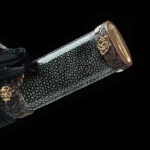
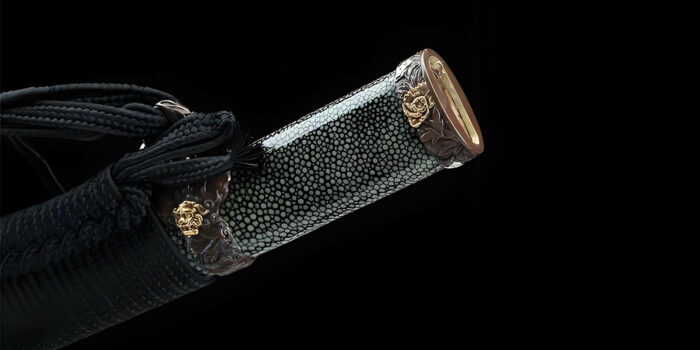
Often referred to domestically as ‘shark skin,’ samegawa is sourced primarily from stingrays native to the South Seas. This unique material, with its surface covered in tiny, protruding granules, has been prized for centuries by samurai for its exceptional durability and the secure grip it provides when wrapped around the handle, despite its high cost.
The Importance of the Tsuka
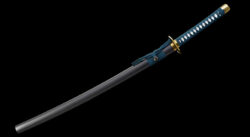
The tsuka is the part of the Japanese sword that the user grips, making it essential for both control and balance during use. Constructed with a wooden core, often wrapped in samegawa and then bound with silk or leather cords, the quality and craftsmanship of the tsuka are vital to the sword’s overall performance and value. Highly decorated handles have historically been used as prestigious gifts among daimyos (feudal lords), highlighting the tsuka’s importance in both combat and ceremonial contexts.
Materials Used in Tsuka Construction
Throughout history, a variety of materials have been employed in the making of the tsuka. Early tsuka were often made from exotic woods such as purple sandalwood and aloeswood, as well as rhinoceros horn. Over time, as swordsmithing techniques advanced, woods like teak and hardwoods (including beech and oak) became more common.
More recently, magnolia wood has become the material of choice for many craftsmen due to its softness and excellent water resistance. Magnolia’s properties make it ideal not only for tsuka but also for saya (scabbards), ensuring durability and reliability in varying conditions.
The Construction and Function of the Tsuka
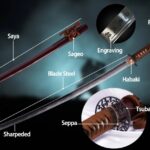
The construction of the tsuka can vary depending on factors such as the type of sword (e.g., tachi or katana), the era, and the specific craftsman. A standard katana tsuka typically includes the following elements:
- Wooden Core (Tsuka Shitaji): The foundation of the handle, precisely shaped to fit the tang (nakago) of the blade.
- Samegawa (Rayskin): Wrapped around the wooden core, samegawa prevents the handle from cracking and provides a textured surface that enhances grip.
- Mekugi (Pins): Small pegs that secure the tang within the handle, ensuring the sword’s structural integrity.
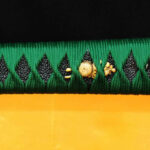
- Menuki (Ornamental Grip Elements): Decorative elements that also serve to improve grip comfort.
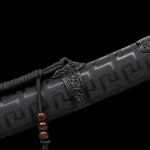
- Tsukaito (Wrapping Cords): Silk or leather cords meticulously wrapped around the handle to enhance both grip and aesthetics.
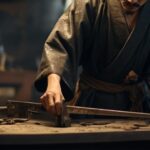
Crafting the SamegawaThe process of preparing samegawa for a tsuka is a meticulous one, requiring several steps to achieve the desired texture and durability:
- Preparing the Rayskin: The samegawa is first soaked to soften it, then polished using coarse brushes to remove impurities. It is then refined with bamboo brushes and polishing agents to achieve a smooth finish.
- Enhancing Gloss: The rayskin is further polished to bring out a natural luster, a critical aesthetic feature.
- Wrapping the Samegawa: The softened skin is carefully stretched and wrapped around the wooden core, where it is left to dry and set for several days before any excess material is trimmed away.
- Applying Adhesive: The samegawa is glued to the wooden core using traditional rice paste, with drying times varying depending on the craftsman’s technique.
- Wrapping the Tsukaito: Finally, the tsuka is wrapped with silk or leather cords, ensuring a firm grip and a visually pleasing finish.
Modern Customization in Tsuka Design
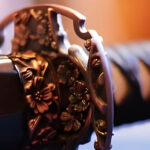
In modern times, the increasing popularity of hand-forged swords and the influence of contemporary cultural trends have led to a diversification in tsuka designs. Collectors and enthusiasts now have access to a wide range of materials and finishes, including zinc alloy, iron, copper, gold-plated, and silver-plated options. This evolution reflects not only a respect for tradition but also a desire to personalize swords to suit individual tastes and preferences, enhancing the appeal of katana collecting. ConclusionThe tsuka, with its intricate
construction
and the crucial role of samegawa, is a testament to the artistry and functionality of katana craftsmanship. Understanding the tsuka’s role and the meticulous process involved in crafting samegawa enriches one’s appreciation of these iconic weapons, whether for historical authenticity or modern customization.
For samurai sword enthusiasts and collectors, exploring the craft of the tsuka offers a deep insight into the profound skill and cultural significance behind these timeless artifacts.
Our shop offers a wide range of customized services
https://www.coolkatana.com/products/custom-sword
At some events, fans demonstrate their swordsmanship skills, paying tribute to anime’s legendary battles. Conventions even hold swordsmanship competitions, letting enthusiasts showcase their passion and creativity with these iconic weapons. Certain anime weapons hold special significance for fans, influencing anime swordsmanship and sparking interest in related merchandise. Celebrations at various anime events further boost their popularity. These weapons symbolize strength and courage, leaving a lasting mark on the anime world.