Katzbalger Short Sword: Renaissance History, Design & Collectors’ Guide
Katzbalger Sword: History, Design, and Metallurgy Secrets Explained
The Katzbalger sword is one of the most iconic weapons of the Renaissance, often associated with German Landsknecht mercenaries. Renowned for its distinctive S-shaped guard, the Katzbalger represents both style and function on the battlefield. In this comprehensive guide, we delve into the history, design features, metallurgy, and collecting tips of this legendary short sword.
What Is a Katzbalger Sword?
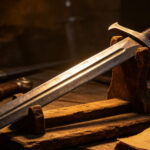
A Katzbalger is a short, double-edged sword widely used in 16th-century Europe, particularly among German mercenaries. Its name roughly translates to “cat striker” or “cat slayer,” reflecting its swift and agile combat style. Unlike longer swords, the Katzbalger was ideal for close-quarters fighting, making it a favorite in dense infantry formations.
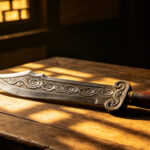
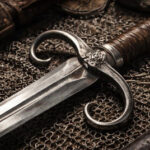
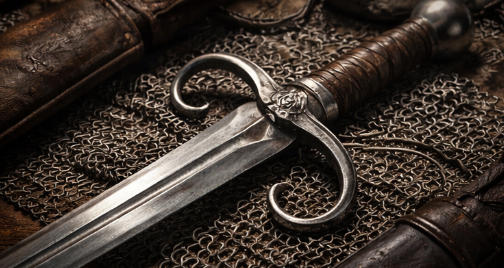
This sword is famous for its distinctive figure-eight or S-shaped crossguard, which not only provided hand protection but also allowed deflecting enemy blades efficiently. Many historical examples also feature ornate hilts and etched blades, combining aesthetic appeal with battlefield practicality.
Katzbalger Sword History
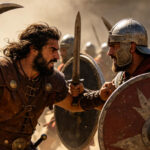
The Katzbalger emerged during the height of the Renaissance European warfare, especially among Landsknecht mercenaries, who were Germany’s elite infantry units in the 1500s. These soldiers valued mobility, versatility, and striking power, and the Katzbalger was perfectly suited to these needs.
Historical records indicate that Katzbalger swords were often paired with sidearms like daggers or parrying sticks, giving soldiers multiple defensive options. Over time, the sword became not only a weapon of war but also a symbol of prestige among German soldiers, often richly decorated for officers.
Design and Characteristics
The Katzbalger sword has several unique design elements:
- Short, double-edged blade: Typically 28–34 inches in length, perfect for close combat.
- S-shaped or figure-eight guard: Offers exceptional hand protection and blade deflection.
- Wide, straight blade profile: Provides cutting power while maintaining speed and agility.
- Decorative hilt and pommel: Many surviving examples show etched or engraved blades, highlighting the craftsmanship of the era.
This combination of features made the Katzbalger highly effective in infantry skirmishes while also serving as a collectible Renaissance weapon for modern enthusiasts.
Metallurgy Secrets of the Katzbalger
One reason the Katzbalger stood out was its advanced metallurgy for the time. Most swords were forged from high-carbon steel, carefully heat-treated to balance hardness and flexibility.
The tempering process allowed the blade to absorb shock without breaking, which was essential in sword-and-buckler combat. Additionally, many Katzbalgers feature pattern-welded or forged decorative blades, a technique admired for both durability and beauty.
Katzbalger vs Other Renaissance Swords
While similar in function to other shortswords and arming swords, the Katzbalger is instantly recognizable by its guard design and blade profile. Compared to the rapier, which emphasized thrusting, or the longsword, which excelled at reach, the Katzbalger offered a perfect balance of slashing and thrusting in chaotic battlefield conditions.
Collectors and martial artists often seek authentic Katzbalger replicas, perfect for historical European martial arts (HEMA) practice or museum-quality display. Modern reproductions use high-quality T10 or 1060 carbon steel, retaining the feel and performance of historical originals.
Katzbalger Sword Collecting and Modern Use
Today, the Katzbalger remains a sought-after collector’s sword. Enthusiasts look for historically accurate replicas, often focusing on blade material, guard design, and authenticity. Popular search queries for modern collectors include:
- Katzbalger sword for sale
- German Landsknecht sword replica
- Renaissance shortsword collectible
- HEMA Katzbalger practice sword
Modern enthusiasts also enjoy using Katzbalgers in cosplay, reenactments, and martial arts training, appreciating both their historical value and practical design.
Conclusion
The Katzbalger sword is more than just a weapon—it is a symbol of Renaissance military tradition and craftsmanship. From its distinctive S-shaped guard to its high-quality steel construction, the Katzbalger continues to captivate sword collectors, martial artists, and history enthusiasts alike. Whether for battle reenactments, HEMA training, or decorative purposes, owning a Katzbalger offers a tangible connection to 16th-century European warfare.
https://www.coolkatana.com/