Damascus Steel Guide: History, Patterns, Swords & Knives
Damascus Steel Explained: History, Patterns, Swords, and Modern Knives
Damascus steel is one of the most iconic materials in blade history, admired for its flowing patterns, legendary strength, and timeless appeal. From ancient Damascus swords to modern Damascus steel knives, this material continues to attract collectors, chefs, survivalists, and sword enthusiasts around the world.
In this complete guide, we explore what Damascus steel is, its historical origins, how it is made today, and whether Damascus steel blades are truly worth it.
What Is Damascus Steel?
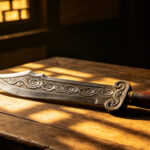
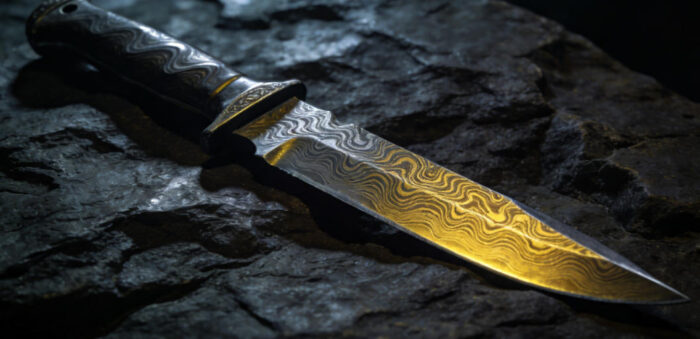
Damascus steel is a type of steel known for its distinctive wavy or water-like patterns and durable performance. Traditionally, it referred to blades forged from wootz steel, a high-carbon material developed in ancient India and traded across the Middle East.
Today, most Damascus steel products are made using pattern-welded steel, where multiple layers of different steels are forged together. This creates both the signature layered appearance and a balance of strength, hardness, and flexibility.
The History of Damascus Steel
The origins of Damascus steel date back more than a thousand years. The raw material, wootz steel, was produced in India and Sri Lanka and transported to regions such as Persia and Syria.
Blades crafted in Damascus became famous for:
- Exceptional sharpness
- Long-lasting edge retention
- Flexibility without breaking
- Unique flowing patterns
These Damascus swords gained legendary status, often associated with near-mythical cutting power and superior battlefield performance.
However, by the 18th century, the original forging technique was lost due to changes in trade and the disappearance of key raw materials.
How Modern Damascus Steel Is Made
Modern Damascus steel is created using pattern welding rather than the ancient wootz process.
The process involves:
- Stacking layers of different steels (often high-carbon and stainless steel)
- Heating and forge-welding them together
- Folding, twisting, or manipulating the layers
- Acid etching to reveal the layered patterns
This process produces visually striking designs such as:
- Raindrop Damascus
- Ladder pattern Damascus
- Twist pattern Damascus
- Feather pattern Damascus
While modern Damascus steel differs from historical versions, it offers excellent durability and performance when crafted correctly.
Damascus Steel Swords: Tradition and Performance
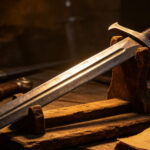
Damascus steel swords remain highly valued for both their historical symbolism and visual appeal. They represent a blend of craftsmanship and warrior heritage.
Today, Damascus swords are popular among:
- Collectors
- Martial arts practitioners
- Historical reenactors
- Decorative sword enthusiasts
Although many modern versions are designed for display, high-quality functional Damascus swords can still deliver strong cutting performance and resilience.
Damascus Steel Knives: Are They Worth It?
Damascus steel knives are widely used in modern kitchens and outdoor environments. They are especially popular as chef knives, hunting knives, and premium collector pieces.
Benefits of Damascus steel knives:
- Unique and eye-catching patterns
- Strong edge retention (depending on core steel)
- Balanced hardness and flexibility
- Premium aesthetic appeal
However, the cutting performance of a Damascus knife depends more on the core steel and heat treatment than the layered pattern itself.
Common Myths About Damascus SteelMyth 1: Damascus steel is the strongest steel
Modern metallurgy has created steels that outperform traditional Damascus in strength and wear resistance.
Myth 2: More layers mean better quality
Layer count mainly affects appearance, not cutting performance.
Myth 3: All Damascus steel is authentic
Some low-quality blades use fake or etched patterns instead of real layered steel.
How to Identify Real Damascus Steel
To recognize genuine Damascus steel, look for:
- Consistent patterns across the entire blade
- Visible layers along the spine
- Natural pattern variation rather than printed designs
- Reliable craftsmanship and clear material details
Authentic Damascus steel should show depth and texture, not just surface decoration.
Does Damascus Steel Rust?
Yes, Damascus steel can rust, especially if it contains high-carbon steel layers.
Proper care includes:
- Cleaning and drying after use
- Applying a light coat of oil
- Storing in a dry environment
Some modern stainless Damascus steel offers better corrosion resistance but still requires maintenance.
Why Damascus Steel Remains Popular
Damascus steel continues to stand out because it combines:
- Ancient history and cultural value
- Unique handcrafted beauty
- Functional performance
- Collectible appeal
Whether used in swords, chef knives, or custom blades, Damascus steel represents the perfect balance between art and utility.
Conclusion
Damascus steel is more than just a blade material—it is a symbol of craftsmanship, history, and innovation. From ancient forged weapons to modern high-performance knives, its legacy continues to evolve.
For collectors, chefs, and enthusiasts alike, Damascus steel remains one of the most desirable choices for both beauty and functionality.
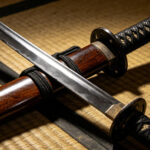
Hand Forged Japanese Wakizashi Sword Damascus Folded Steel Full Tang