Evidence-Based Approaches to Yard Revitalisation and Soil Health
The foundation of any thriving garden lies entirely out of sight, beneath the surface of the grass and mulch. Tropical volcanic soil is scientifically fascinating; it is highly dynamic, often porous, and constantly changing based on rainfall and organic inputs. Understanding the chemical and physical composition of your property’s soil is the only reliable starting point for true yard revitalisation. Without this data, any planting or fertilising efforts are essentially guesswork, leading to wasted resources and poor plant health.
One of the most significant environmental challenges for island properties is the management of water runoff and soil erosion. Heavy tropical downpours can strip away the nutrient-rich topsoil, carrying it down streets and eventually depositing sediment into fragile marine ecosystems. Property owners bear an ecological responsibility to ensure their yards can absorb and filter heavy rains. Proper soil structure and robust root systems are the primary defence mechanisms against this destructive erosion process.
Different plant species provide different mechanical benefits to the soil beneath them. Deep-rooted trees anchor the deeper layers of earth, while dense networks of fibrous grass roots bind the surface soil tightly together. On sloped properties, the strategic placement of these varying root structures is a necessary engineering tactic to prevent landslides and soil creep. The visible beauty of the plants is simply a byproduct of their structural purpose.
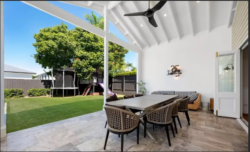
Implementing comprehensive Hawaii landscape services requires a shift away from purely aesthetic choices toward a balanced, scientifically sound management plan. It involves treating the yard as an interconnected micro-ecosystem where soil microbiology, water retention, and plant nutrition all depend on one another. When these elements are managed correctly, the yard becomes largely self-sustaining, requiring fewer chemical inputs and less supplemental watering over time.
The introduction of high-quality organic matter is the most effective way to alter the physical properties of poor soil. Adding specific compost blends improves the cation exchange capacity of the earth, which is the scientific measurement of the soil’s ability to hold onto necessary nutrients. Without sufficient organic matter, expensive fertilisers simply wash straight through the porous volcanic rock, providing absolutely no benefit to the plants and potentially polluting the groundwater.
Relying on synthetic, high-nitrogen fertilisers often creates more problems than it solves. While these chemicals force rapid, bright green growth, they also produce weak cellular structures within the plant leaves. This unnatural, fleshy growth acts as a magnet for local insect pests, which are naturally drawn to the weakened tissue. Transitioning to slow-release, natural soil amendments encourages strong, steady growth that is naturally resistant to insect damage.
Integrated pest management is another evidence-based approach to maintaining a healthy yard. Rather than blanketing the entire property with broad-spectrum toxins that kill everything, this method relies on careful monitoring and targeted interventions. By correctly identifying the specific pest causing the damage, property owners can introduce natural biological controls or use highly specific treatments that leave the beneficial insect populations unharmed.
Water management must also be guided by objective data. A surprising percentage of irrigation water is lost to evaporation or deep percolation because systems are run at the wrong time of day or for too long a duration. Modern irrigation technology utilises weather sensors and soil moisture data to deliver the exact amount of water required by the plants, and not a drop more. This precise application conserves a precious resource and prevents the root rot associated with saturated soils.
True yard revitalisation is a measurable process. Success is not judged merely by how green the grass looks today, but by tracking the steady improvement in soil moisture retention, the deepening of root systems, and the return of beneficial earthworms and pollinators over several months. A healthy yard is a living laboratory that requires ongoing observation and minor adjustments as the seasons change.
By managing a property using these scientific principles, homeowners contribute directly to the broader health of the local environment. A yard that requires minimal chemical inputs and retains its own soil and water is a net positive for the entire island ecosystem. It proves that beautiful, lush outdoor spaces can be achieved through ecological intelligence rather than chemical force.
Conclusion
Revitalising your yard starts with understanding the science of soil health and working in harmony with natural ecological processes. By adopting a data-driven approach to planting, watering, and soil management, you build a resilient, beautiful environment that supports the broader island ecosystem.
Call to Action
Improve the health and longevity of your property by contacting our team for a comprehensive, science-based soil and yard assessment today.