Flamberge Rapier: Wavy Blade Sword History & Uses
Flamberge Rapier: History, Design, and Power of the Wavy Blade SwordWhat Is a Flamberge Rapier?
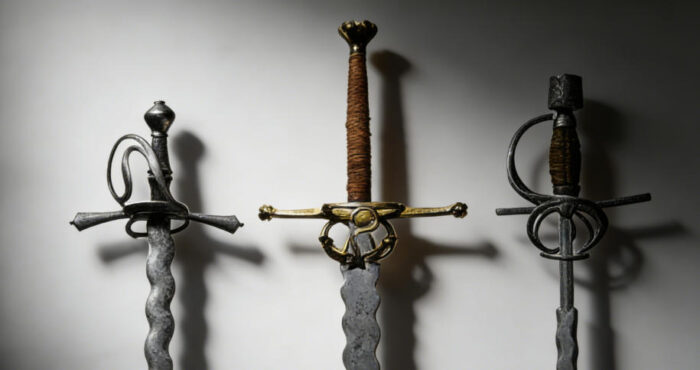
The Flamberge Rapier, also known as a wavy blade sword or flame blade rapier, is one of the most visually striking weapons of the Renaissance. Unlike traditional straight rapiers, this elegant weapon features a flowing, undulating blade that resembles flickering flames.
The term “Flamberge” comes from the French word for flame, reflecting the sword’s signature wave-like form. While most rapiers were designed purely for thrusting in duels, the flamberge rapier blends artistic craftsmanship with subtle combat advantages.
Today, it remains highly popular among collectors, historical weapon enthusiasts, and fans of European swords, rapier fencing, and Renaissance weapon design.
The Origins of the Flamberge Blade
The flamberge blade first appeared in Europe between the 15th and 17th centuries. Early versions were used on large two-handed swords wielded by German and Swiss mercenaries, where the wavy design helped disrupt enemy weapons during combat.
As dueling culture evolved among European nobility, swordsmiths adapted this dramatic blade style into lighter, more refined weapons. This led to the creation of the flamberge rapier, combining the elegance of civilian dueling swords with the bold aesthetics of battlefield weapons.
This evolution reflects a broader shift from heavy warfare to refined one-on-one combat focused on precision, speed, and technique.
Key Features of the Flamberge Rapier1. The Iconic Wavy Blade
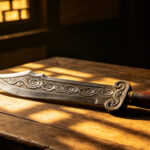
The most distinctive feature of the flamberge rapier is its serpentine blade shape. The edges curve in smooth, repeating waves along the length of the blade.
- Creates a flame-like visual effect
- Enhances the sword’s aesthetic appeal
- Demonstrates advanced forging skill
This design makes the sword instantly recognizable and highly sought after.
2. Complex Forging Process
Creating a wavy blade sword requires exceptional craftsmanship. Swordsmiths must carefully shape heated steel into precise, symmetrical curves while maintaining balance and durability.
Because of this difficulty, flamberge rapiers were often considered luxury items, owned by nobles or wealthy duelists.
3. Classic Rapier Structure
Despite its unique blade, the flamberge rapier retains traditional rapier characteristics:
- Long, slender blade optimized for thrusting
- Protective hilt or guard for hand safety
- Lightweight design for speed and control
The wavy blade slightly alters how the sword interacts during contact, adding a distinct feel compared to straight blades.
Functional Advantages of the Wavy Blade Sword
Although often seen as decorative, the flamberge design offers several practical benefits:
Increased Blade Resistance
When blades clash, the waves create additional friction, making it harder for an opponent’s weapon to slide smoothly.
Enhanced Vibration Effect
The irregular shape can transfer vibrations more effectively, potentially disrupting an opponent’s grip and control.
More Complex Wound Patterns
The undulating edge may produce wider or more irregular wound channels than a straight blade.
Psychological Impact
The unusual shape can confuse opponents, making it harder to judge distance and timing during a duel.
Flamberge Rapier vs Straight RapierFeatureFlamberge RapierStraight RapierBlade ShapeWavy / Flame-likeStraightCombat FocusThrust + disruptionPure thrustVisual StyleDecorative and boldSimple and refinedCrafting ComplexityHighModerateHistorical AppealUnique and artisticPractical and common
While straight rapiers dominated dueling for their precision, the flamberge rapier stood out for its combination of style and function.
Role in Renaissance Dueling Culture
During the Renaissance, dueling was as much about reputation as it was about combat. Weapons became symbols of status, personality, and wealth.
The flame blade sword perfectly captured this spirit. Its dramatic appearance signaled refinement, confidence, and individuality, making it a favored choice among nobles seeking to stand out.
The Legacy of the Flamberge Rapier
Even after firearms reduced the importance of swords in combat, the flamberge design continued to influence:
- Historical fencing traditions
- Museum collections and exhibitions
- Fantasy weapons in games and films
- Modern replica sword craftsmanship
Today, the flamberge rapier remains a popular search topic, especially for those interested in:
- hand forged flamberge sword
- rapier with wavy blade
- Renaissance dueling sword replica
- flame blade sword design
Its combination of beauty, craftsmanship, and historical significance ensures its lasting appeal.
Conclusion
The Flamberge Rapier is more than just a decorative weapon. It represents a unique blend of art, engineering, and combat innovation from the Renaissance era.
With its iconic wavy blade, refined structure, and subtle functional advantages, this sword continues to captivate collectors and history enthusiasts alike. It stands as a powerful symbol of how weapon design can merge practicality with artistic expression.
https://www.coolkatana.com/