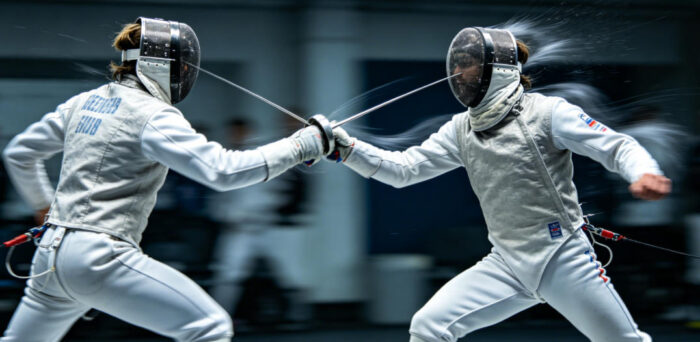
Foil vs Épée vs Sabre: Key Differences Every Fencer Should Know
Foil vs Épée vs Sabre: Complete Guide to Fencing Weapons, Rules & Styles
Fencing is one of the oldest and most strategic combat sports in the world. As an official Olympic sport, modern fencing is divided into three disciplines: foil fencing, épée fencing, and sabre fencing. Although they may appear similar to spectators, each weapon has unique rules, target areas, scoring systems, and tactical approaches.
If you’ve ever wondered what is the difference between foil, épée, and sabre fencing, or you’re searching for the best fencing weapon for beginners, this comprehensive guide explains everything you need to know.
Understanding the Three Olympic Fencing Weapons
Modern Olympic fencing features three separate weapons:
Foil
Épée
Sabre
Each weapon evolved from a different historical sword and reflects a unique philosophy of combat. The differences affect everything from footwork and strategy to scoring and match pace.
Many newcomers search for terms like:
foil vs epee
epee vs sabre
foil vs sabre
fencing weapon comparison
Olympic fencing weapons explained
Understanding these distinctions is the first step toward choosing the right fencing style.
What Is Foil Fencing?
Foil fencing is widely regarded as the foundation of modern fencing and is often the first weapon taught to beginners.
Originally developed as a training weapon for dueling swords, foil emphasizes precision, tactical thinking, and technical mastery.
Key Features of Foil FencingLightweight and Flexible Blade
The foil is the lightest fencing weapon. Its flexibility allows for quick attacks, controlled movements, and advanced blade work.
Point-Only Scoring
A valid touch can only be made using the tip of the blade.
Cutting or slashing actions do not count.
Limited Target Area
The valid target includes only the torso:
Chest
Abdomen
Back
The head, arms, and legs are not valid targets.
Right-of-Way Rule
One of the most distinctive foil fencing rules is the right-of-way system.
If both fencers land touches simultaneously, the referee awards the point to the fencer who established priority through a correctly executed attack.
This creates a highly technical game where timing and tactical decision-making are just as important as speed.
Why Many Beginners Start with Foil
Foil develops:
Footwork fundamentals
Distance control
Blade precision
Tactical awareness
Understanding of fencing rules
For this reason, many coaches recommend foil as the best fencing weapon for beginners.
What Is Épée Fencing?
Épée fencing is often considered the closest discipline to historical dueling.
Unlike foil, épée removes many restrictions and rewards patience, timing, and strategic thinking.
Key Features of Épée FencingEntire Body Is a Valid Target
One of the biggest differences between foil and épée is the target area.
In épée, the entire body is legal:
Head
Arms
Hands
Torso
Legs
Feet
Every inch of the body can score a touch.
Point-Only Weapon
Like foil, épée scores only with the tip.
No cutting actions are permitted.
No Right-of-Way Rule
This is the defining characteristic of épée fencing.
If both fencers hit within the allowed timing window, both receive a point.
This system dramatically changes strategy and creates a more realistic “first blood” dueling mentality.
Heavier Weapon
The épée is heavier than the foil and features a larger guard designed to protect the hand, which is a common target.
The Tactical Nature of Épée
Many experienced fencers describe épée as a game of patience and psychology.
Successful épée fencers focus on:
Distance management
Defensive positioning
Counterattacks
Feints and deception
Reading opponent behavior
Matches often feature longer periods of preparation followed by explosive scoring actions.
Because every part of the body is vulnerable, mistakes can be costly.
Foil vs Épée: What Are the Main Differences?
The debate over foil vs épée fencing is one of the most common questions among new athletes.
FeatureFoilÉpéeTarget AreaTorso onlyEntire bodyScoring MethodTip onlyTip onlyRight-of-WayYesNoDouble TouchesNot allowedAllowedWeapon WeightLighterHeavierMatch StyleTechnical and tacticalDefensive and strategicLearning FocusFundamentals and techniqueTiming and patience
Foil rewards structured attacks and tactical priority, while épée rewards precision and defensive awareness.
What Is Sabre Fencing?
Sabre is the fastest and most aggressive fencing discipline.
Derived from military cavalry swords, sabre fencing emphasizes explosive attacks and rapid decision-making.
Many spectators find sabre the most exciting weapon to watch because exchanges often last only a few seconds.
Key Features of Sabre FencingCutting and Thrusting Allowed
Unlike foil and épée, sabre can score with:
The tip
The cutting edge
The back edge of the blade
This creates more offensive opportunities.
Target Area Above the Waist
Valid targets include:
Head
Arms
Shoulders
Chest
Back above the waist
Legs and lower body are excluded.
Right-of-Way Applies
Like foil, sabre uses priority rules to determine scoring when simultaneous touches occur.
Extremely Fast Tempo
Sabre bouts are known for:
Rapid starts
Explosive footwork
Aggressive attacks
Short exchanges
Many points are scored within just a few seconds after the referee begins the action.
Sabre Fencing Strategy
Sabre rewards athletes who excel in:
Explosive speed
Quick reactions
Aggressive tactics
Fast footwork
Offensive pressure
Unlike épée, where patience often wins, sabre frequently rewards initiative and momentum.
This makes sabre one of the most physically demanding fencing disciplines.
Foil vs Épée vs Sabre: Complete ComparisonCategoryFoilÉpéeSabreWeapon TypeThrustingThrustingThrusting & CuttingValid TargetTorsoFull BodyWaist UpRight-of-WayYesNoYesDouble TouchesNoYesNoSpeedMediumSlowerFastestTactical StyleTechnicalStrategicAggressiveBest ForBeginners & techniciansPatient thinkersFast attackers
Each weapon offers a completely different fencing experience.
Which Fencing Weapon Is Best for Beginners?
The answer depends on personality and athletic style.
Choose Foil If You Prefer:
Technical learning
Structured tactics
Traditional fencing fundamentals
Strategic blade work
Choose Épée If You Prefer:
Simpler rules
Realistic dueling concepts
Defensive tactics
Patience and timing
Choose Sabre If You Prefer:
Fast-paced action
Aggressive attacks
Athletic movement
High-speed decision-making
Many clubs introduce students to all three disciplines before specialization.
Why Understanding Fencing Weapons Matters
Whether you’re watching Olympic fencing, joining a local fencing club, or searching for the perfect training weapon, understanding the differences between foil, épée, and sabre helps you appreciate the depth of the sport.
Each weapon represents a different philosophy:
Foil: Precision and tactical control
Épée: Patience and strategic realism
Sabre: Speed and aggressive dominance
No weapon is objectively better than another. The best choice depends on your personality, goals, and preferred fencing style.
Final Thoughts
The comparison of foil vs épée vs sabre goes far beyond weapon design. Each discipline creates a unique competitive environment with its own scoring rules, target areas, and tactical mindset.
For beginners, foil often provides the strongest technical foundation. For strategic thinkers, épée offers unmatched depth. For athletes who thrive on speed and aggression, sabre delivers one of the fastest combat sports in the Olympic Games.
Whichever path you choose, fencing remains a fascinating blend of athleticism, intelligence, and centuries of martial tradition.
https://www.coolkatana.com/