From Musashi & Hanzo to Modern Collectibles: Katana’s Evolution
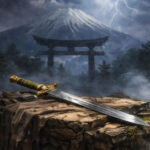
In Japanese culture, the katana is more than just a weapon—it is a timeless symbol of spirit, honor, and craftsmanship. From the legendary duels of Miyamoto Musashi to the ninja tales of Hattori Hanzo, the katana has carried stories that blur the lines between history and legend.
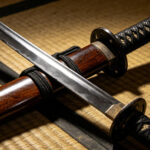
Today, with growing global interest in samurai history and traditional sword making in Japan, katanas are no longer just battlefield weapons. They have become coveted collectibles, inspiring searches for authentic katana from Japan, custom swords, and even modern Hanzo or Musashi knives.
Miyamoto Musashi – The Unbeaten Sword Saint
A Lifetime of Duels
Miyamoto Musashi (1584–1645) stands as one of Japan’s most legendary swordsmen. By the age of 13, he had already claimed victory in a duel. Over his lifetime, he fought more than sixty life-or-death duels—and astonishingly, he never lost.
His most famous battle took place on Ganryu Island, where he defeated Sasaki Kojiro, who wielded a massive nodachi known as the “Drying Pole.” Musashi carved a wooden sword from an oar and used it to overcome Kojiro’s reach, cementing his reputation as an unrivaled strategist.
The Dual-Sword Style
Musashi developed Niten Ichi-ryu, the “Two Heavens as One” school of swordsmanship. This style used both a long sword (katana or tachi) and a short sword (wakizashi) simultaneously. While carrying two swords was common among samurai, Musashi turned it into a systematic and devastating technique.
Philosophy Beyond the Blade
In later life, Musashi retired to Kyushu and wrote The Book of Five Rings (Go Rin No Sho), a classic text that combined swordsmanship with philosophy and strategy. Its lessons extend beyond combat, influencing business leaders, martial artists, and strategists to this day.
Musashi’s Modern Legacy
Modern brands offering Musashi Japan knives or Musashi-inspired blades carry forward this spirit of skill, resilience, and artistry. For collectors, the name “Musashi” has become synonymous with the essence of the samurai—unrivaled mastery and unshakable discipline.
What Swords Did Musashi Use?
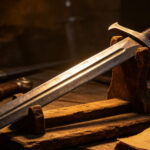
Katana (long sword): His primary weapon, typically around 70 cm, suited for both one-handed and two-handed techniques.
Wakizashi (short sword): Used for close combat or in combination with the katana.
Bokken (wooden sword): A training weapon he famously used in real duels, including the legendary battle against Kojiro.
Other weapons: Legends suggest he may have used polearms like the naginata, but evidence is scarce.
Key point: Musashi’s victories did not rely on magical blades but on adaptability. He demonstrated that even a wooden sword, wielded with intelligence and skill, could overcome the finest steel.
Hattori Hanzo – From History to Myth
The Real Hanzo
Hattori Hanzo (1542–1596), born Hattori Masanari, was both a respected samurai and the commander of the Iga ninja. Serving under Tokugawa Ieyasu, he became known as “Oni Hanzo” (Demon Hanzo) for his fierce reputation.
His most celebrated act came during the Honno-ji Incident (1582), when he safely escorted Ieyasu out of enemy territory, enabling Tokugawa’s rise to power and the eventual establishment of the Tokugawa Shogunate.
A Dual Role: Samurai and Ninja
Hanzo was unique because he embodied both the warrior code of the samurai and the cunning of the ninja. He excelled in swordsmanship, ninjutsu, and strategy, making him a bridge between two distinct worlds.
Hanzo in Popular Culture
Over time, Hanzo evolved into a multifaceted cultural icon:
Hanzo Samurai: A loyal, honorable bodyguard representing bushido.
Hanzo Ninja: A master of stealth, often depicted as an elusive assassin in anime, games, and films.
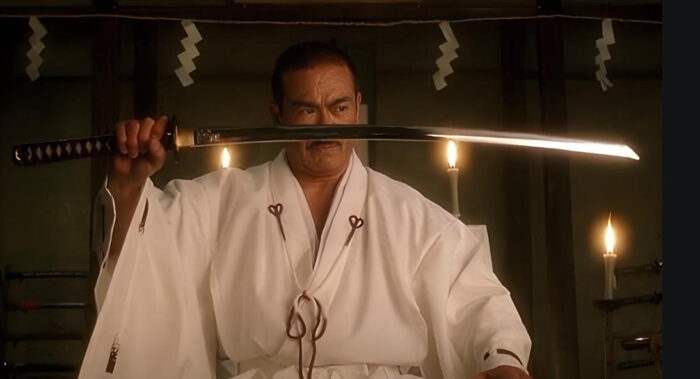
Hanzo Swordsmith: In modern media like Kill Bill, Hanzo is reimagined as a legendary swordsmith whose blades are unmatched in sharpness and craftsmanship.
This blending of fact and fiction transformed Hanzo into a global symbol of Japanese sword culture. Today, people searching for Hanzo knives, Hanzo samurai, or Hanzo ninja swords are drawn to this unique mix of history and legend.
From Battlefield Weapon to Work of Art
In the Sengoku Period
During the chaotic Sengoku era, katanas were crucial on the battlefield. Their cutting power and resilience could determine a samurai’s survival.
In the Edo Period
As Japan entered a long era of peace, the katana shifted from a survival weapon to a symbol of honor, status, and artistry. Swordsmiths began to focus not only on durability but also on aesthetic beauty.
The Craft of the Katana
Forging & Folding Steel: Multiple layers purified the metal, enhancing both strength and sharpness.
Quenching & Tempering: Controlled heating and cooling created a balance of hardness and flexibility.
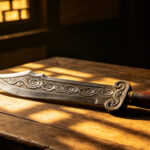
Hamon (temper line): The wavy patterns along the blade’s edge, proof of careful heat treatment.
Hada (grain): Unique steel patterns formed during folding, making every blade one of a kind.
These features explain why collectors today search for Japanese sword makers, eager to find blades that embody both functional power and artistic mastery.
Modern Collecting and Display
In the 21st century, the katana has become both a cultural treasure and a collector’s centerpiece.
Categories of Modern Collecting
Authentic Katana from Japan: Forged by licensed swordsmiths, these carry historical, cultural, and legal recognition in Japan.
High-Quality Replicas & Custom Swords: Perfect for display, cosplay, martial arts training, or film props. Many offer customizable parts, from the sword handle (tsuka) to the sword pommel (kashira).
Popular Trends
Musashi-inspired knives and swords that echo the sword saint’s spirit.
Hanzo swords that merge ninja mystique with cinematic flair.
Custom katana designs where collectors choose blade steel, fittings, and even blade patterns.
Sword stands and display racks that elevate katanas from mere collectibles to home décor.
Beyond swords, items like Japanese folding fans and sake sets made in Japan also attract enthusiasts who want to capture the broader lifestyle of samurai culture.
Conclusion – The Living Legacy of the Katana
From Musashi’s undefeated duels to Hanzo’s ninja legends, the katana has traveled a long path—from battlefield survival to refined artistry, from historical weapon to cultural collectible.
Today, whether you are studying the history of Japanese samurai, purchasing a real katana from Japan, or designing a custom sword inspired by Musashi or Hanzo, you are engaging with a legacy that spans centuries.
The katana is not just forged steel—it is a living embodiment of Japanese culture, bushido values, and timeless craftsmanship.
Handmade Japanese Katana Sword, Hattori Hanzo Sword High Manganese Steel Black Thunder Pattern Blade Backable Scabbard