Japanese Tachi Sword: Samurai Curved Blade History and Metallurgy
Japanese Tachi Sword: Samurai Curved Blade History and Metallurgy Secrets
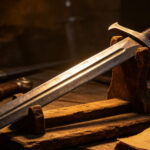
The Japanese tachi sword is one of the most historically significant weapons in the evolution of the samurai sword. Long before the rise of the famous katana, the tachi sword dominated the battlefields of medieval Japan. With its elegant curved blade, advanced Japanese sword metallurgy, and distinctive wearing style, the tachi represents a remarkable combination of engineering, craftsmanship, and warrior culture.
Today, historians, martial artists, and collectors continue to study the history of the Japanese tachi sword, exploring its role in samurai warfare, its unique forging techniques, and the metallurgical secrets that gave these blades legendary performance.
The Origins of the Japanese Tachi Sword
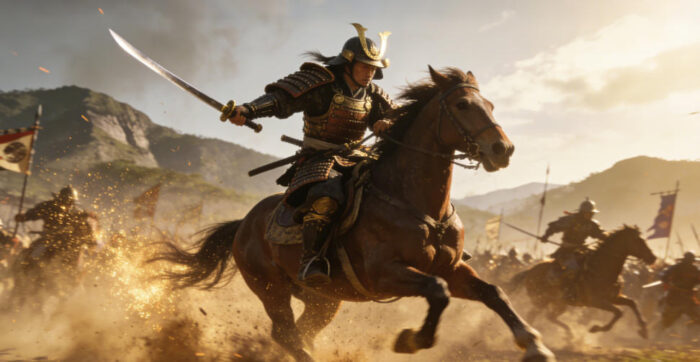
The tachi sword first appeared during the late Heian period and quickly became the primary weapon of mounted samurai warriors. Early Japanese military strategy relied heavily on cavalry combat, and the design of the tachi reflected this battlefield need.
Unlike earlier straight blades used in ancient Japan, the tachi curved blade was designed to improve cutting efficiency when striking from horseback. The curvature allowed warriors to deliver powerful slashing attacks while riding at high speed.
Typical features of a traditional samurai tachi sword include:
Blade length typically 70–80 cm
A single-edged curved blade
Mounted with ornate fittings
Worn edge-down and suspended from the belt
This design made the tachi extremely effective for mounted combat and helped define the early image of the samurai warrior.
The Curved Blade Design of the Tachi
One of the most recognizable aspects of the Japanese tachi sword is its graceful curved blade. This curvature is not merely decorative—it reflects a deep understanding of combat physics and blade mechanics.
The curve allows the blade to maintain continuous contact during a cut, improving slicing performance and reducing resistance when striking a target. This makes the sword highly efficient for powerful draw-cut attacks.
Key advantages of the tachi curved blade design include:
Increased cutting efficiency
Stronger slashing momentum
Improved balance and handling
Better performance during mounted attacks
Many early tachi swords feature a curvature concentrated near the base of the blade, known as koshi-zori, which further enhances cutting effectiveness from horseback.
The Role of the Tachi in Samurai Warfare
During the medieval period, samurai were not only swordsmen but also skilled mounted archers. On the battlefield, warriors often began combat with bows before switching to the tachi sword once the fight moved to close range.
The design of the tachi allowed samurai to perform powerful downward strikes against enemies on foot. The longer blade and curved edge created a wide cutting arc that was particularly effective against lightly armored opponents.
The samurai tachi sword played several key roles in battle:
Delivering high-speed cavalry strikes
Maintaining combat reach
Breaking enemy formations
Providing a reliable close-combat weapon
As warfare gradually shifted toward infantry combat, the katana eventually replaced the tachi as the primary battlefield sword. However, the tachi remained an important ceremonial weapon and a symbol of noble samurai status.
Japanese Sword Metallurgy: The Secret of the Tachi Blade
The legendary performance of the Japanese tachi sword comes not only from its shape but also from the sophisticated Japanese sword forging techniques used by master swordsmiths.
Traditional blades were forged using tamahagane steel, a high-quality steel produced in traditional tatara furnaces. This steel contains varying levels of carbon, allowing swordsmiths to create blades with both hardness and flexibility.
Through careful selection and forging, swordsmiths transformed raw steel into powerful and resilient blades.
Folded Steel and Layered Construction
One of the most famous aspects of Japanese sword metallurgy is the process of folded steel forging.
During this process, the steel is repeatedly heated, folded, and hammered. Each fold distributes carbon more evenly and removes impurities within the metal.
After multiple folding cycles, the blade develops a layered structure that improves strength and durability. These layers also produce beautiful patterns on the blade surface known as hada, which are highly valued by collectors.
Benefits of folded steel include:
Greater structural strength
Improved resistance to cracking
Enhanced flexibility
Distinctive aesthetic patterns
This combination of engineering and artistry makes the samurai tachi sword both a weapon and a work of art.
Differential Hardening and the Hamon
Another crucial technique used in Japanese sword making is differential heat treatment, commonly known as clay tempering.
Before quenching the blade, swordsmiths apply a special clay mixture to the surface. The edge is coated with a thin layer while the spine receives a thicker coating.
During rapid cooling:
The edge becomes extremely hard, allowing it to hold a sharp cutting edge.
The spine remains flexible, preventing the blade from breaking.
This process produces the famous hamon, a visible temper line that runs along the blade. The hamon is both a functional and aesthetic feature, reflecting the craftsmanship of the swordsmith.
Crafting a Traditional Japanese Tachi Sword
Creating a traditional Japanese tachi sword requires exceptional skill and collaboration among several artisans. The process can take weeks or even months to complete.
The major stages include:
Steel Preparation
Swordsmiths select and refine pieces of tamahagane steel suitable for forging.
Blade Forging
The steel is heated, folded, and shaped into the long curved form of the tachi blade.
Heat Treatment
Clay tempering and quenching create the hardened edge and flexible spine.
Polishing
Master polishers use specialized stones to reveal the hamon and steel grain.
Mounting
The blade is fitted with a handle, guard, and scabbard, forming the final tachi koshirae mounting style.
Each step requires deep knowledge of metallurgy, craftsmanship, and traditional techniques passed down for generations.
Tachi vs Katana: Key Differences
Although the tachi and katana share similar curved blade designs, they differ in several important ways.
The tachi is worn suspended from the belt with the edge facing downward, while the katana is inserted into the sash with the edge facing upward. The tachi also tends to have a slightly deeper curvature and was primarily designed for mounted warfare.
In contrast, the katana evolved for foot combat, making it more practical for later samurai fighting styles.
Because of this evolutionary relationship, the tachi sword is often considered the direct ancestor of the katana.
Cultural Significance of the Samurai Tachi Sword
Beyond its military role, the Japanese tachi sword held deep symbolic meaning in samurai society.
For warriors of feudal Japan, swords represented far more than simple weapons. They symbolized:
Honor and personal identity
Loyalty to one’s lord
The warrior spirit
The discipline of the samurai class
Many legendary swords forged in tachi style were passed down through generations and eventually became national treasures.
The Lasting Legacy of the Japanese Tachi Sword
Although the katana later became the most famous Japanese samurai sword, the tachi sword remains a crucial part of Japanese sword history. Its curved blade design, innovative metallurgy, and battlefield effectiveness shaped the development of later sword types.
Today, the Japanese tachi sword continues to attract historians, collectors, martial artists, and sword enthusiasts around the world. As both a historical weapon and a masterpiece of craftsmanship, the tachi stands as a timeless symbol of samurai culture, traditional Japanese sword making, and the enduring legacy of the warrior class.
Hand Forged Japanese Samurai Tachi Sword 1095 Damascus Folded Steel