Kumdo vs Kendo: Key Differences in Korean and Japanese Sword Arts
Kumdo vs Kendo: Key Differences Between Korean and Japanese Sword Arts
When comparing kumdo vs kendo, many beginners and martial arts enthusiasts often wonder: are these two sword arts the same or fundamentally different? While both disciplines share deep historical roots and similar techniques, they reflect distinct cultural identities shaped by Korea and Japan.
In this guide, we’ll break down the difference between kumdo and kendo, including their origins, philosophy, techniques, equipment, and training styles—helping you understand which sword art suits you best.
What Is Kendo? (Japanese Sword Art Explained)
Kendo, often referred to as Japanese fencing, is a modern martial art derived from traditional samurai swordsmanship known as kenjutsu. The word “kendo” literally means “the way of the sword.”
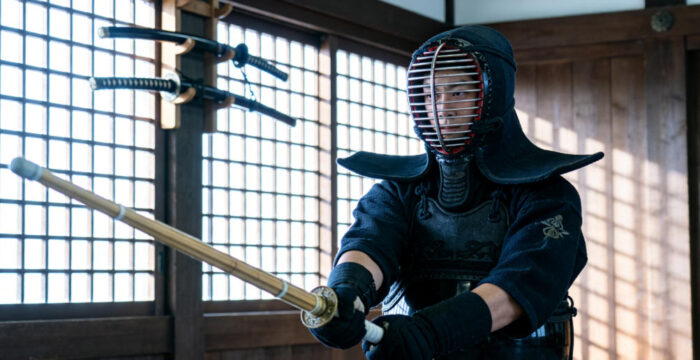
Kendo practitioners use bamboo swords (shinai) and protective armor (bogu) in controlled sparring matches. The focus is not just on combat, but on discipline, respect, and self-improvement.
Key Features of Kendo:
- Emphasis on precision and perfect timing
- One-on-one competitive matches
- Strong philosophical focus on mental discipline and character development
- Rooted in traditional Japanese samurai culture
Kendo training is widely practiced in Japan and internationally, making it one of the most popular Japanese martial arts today.
What Is Kumdo? (Korean Sword Martial Art)
Kumdo (or gumdo/geomdo) is the Korean counterpart to kendo and also translates to “the way of the sword.”
Although kumdo originated from Japanese kendo during the early 20th century, it evolved into a distinct martial art reflecting Korean culture and philosophy.
Key Features of Kumdo:
- Incorporates both sport-style sparring and traditional sword techniques
- Often emphasizes fluid motion and dynamic attacks
- Uses Korean terminology and training methods
- Can include multiple-opponent training scenarios
Today, kumdo is widely practiced across Korea and has developed its own identity beyond its historical origins.
Kumdo vs Kendo: Key Differences Explained
Although kumdo and kendo look nearly identical to beginners, several important differences set them apart.
1. Origin and Cultural Identity
- Kendo: Originated in Japan from samurai traditions
- Kumdo: Developed in Korea, influenced by kendo but adapted culturally
Kumdo emerged after Japanese occupation, when Korea reinterpreted sword training to align with its own traditions.
2. Fighting Style and Strategy
- Kendo focuses on precision, patience, and the perfect strike
- Kumdo tends to be more aggressive and fast-paced, emphasizing continuous attacks
This makes kumdo feel more dynamic, while kendo is often more calculated and strategic.
3. Training Methods
- Kendo: Primarily one-on-one sparring
- Kumdo: May include one-vs-many combat drills, simulating real combat scenarios
Kumdo training sometimes integrates cutting techniques and broader sword applications beyond sport fencing.
4. Equipment and Sword Design
Both martial arts use bamboo swords and protective armor, but there are subtle differences:
- Kumdo swords may be slightly thinner or lighter
- Korean swords are sometimes straighter, compared to the curved Japanese katana
Despite this, the overall gear is highly similar, allowing practitioners to compete across both disciplines.
5. Terminology and Philosophy
- Kendo uses Japanese terms and emphasizes Zen-like discipline and perfection
- Kumdo uses Korean language and reflects Confucian values of balance and adaptability
These philosophical differences subtly influence training mindset and approach.
Similarities Between Kumdo and Kendo
Despite their differences, kumdo and kendo share many core elements:
- Both mean “the way of the sword”
- Use bamboo swords (shinai/jukdo) and protective armor
- Follow point-based sparring systems
- Focus on discipline, respect, and personal growth
- Practitioners can often train or compete in both styles
In fact, many experts consider kumdo and kendo nearly identical in practice, with differences mainly in presentation and philosophy.
Kumdo vs Kendo: Which Is Better for You?
Choosing between kumdo or kendo depends on your goals:
- Choose kendo if you prefer:
- Structured, traditional Japanese training
- Precision-based combat
- Strong philosophical discipline
- Choose kumdo if you prefer:
- Faster, more aggressive fighting style
- Broader sword applications
- Korean martial arts culture
Both are excellent for improving focus, fitness, and mental strength, making either choice worthwhile.
Final Thoughts: Kumdo vs Kendo
In the debate of kumdo vs kendo, the truth is that both martial arts share a common foundation but have evolved into unique expressions of Korean and Japanese culture.
Whether you are drawn to the precision of kendo or the dynamic energy of kumdo, both paths offer a powerful journey into the world of traditional swordsmanship.
If you’re passionate about sword arts, exploring both disciplines can give you a deeper appreciation of their history, techniques, and philosophy.
https://www.coolkatana.com/