Macuahuitl Sword Guide: Aztec Obsidian Blade History & Uses
Macuahuitl: The Legendary Aztec Sword with Razor-Sharp Obsidian BladesWhat Is a Macuahuitl? A Complete Guide to the Aztec Sword
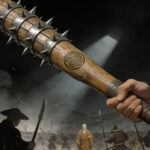
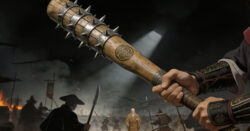
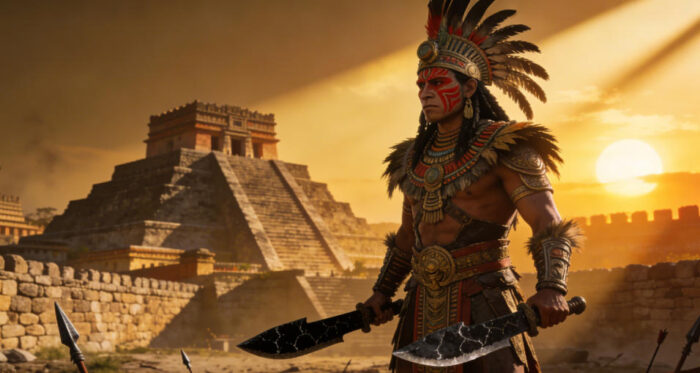
The macuahuitl is one of the most unique and formidable weapons in ancient warfare. Commonly known as an Aztec sword, this weapon stands apart from traditional metal blades because it was crafted from wood and embedded with razor-sharp obsidian blades. Despite lacking steel, the macuahuitl was capable of delivering devastating cuts that rivaled some of the most effective weapons in history.
Originating from the Nahuatl language, the term “macuahuitl” translates to “hand-wood,” reflecting its distinctive construction. Widely used across Mesoamerican civilizations, especially by the Aztecs, it played a critical role in warfare, ceremony, and social status.
The Design and Construction of the Macuahuitl SwordWooden Structure and Form
The macuahuitl featured a flat, paddle-like body carved from strong hardwood. Most one-handed versions measured around 90 to 120 cm, while larger two-handed variants were also used by elite warriors. Its broad shape provided both reach and striking power, making it effective in close combat.
The weapon’s design allowed for controlled swings, combining the handling of a club with the cutting ability of a sword.
Obsidian Blades: Natural Razor Edges
What truly defined the macuahuitl was the use of obsidian, a volcanic glass known for its incredible sharpness. When fractured, obsidian forms edges that are finer than surgical steel, giving the macuahuitl unmatched cutting precision.
Small obsidian blades were carefully shaped and inserted along the edges of the wooden body. These blades were secured using natural adhesives, creating a serrated edge capable of slicing through flesh with ease.
How the Macuahuitl Was Used in CombatSlashing Power Over Thrusting
The macuahuitl was specifically designed for slashing attacks, not stabbing. Its sharp, segmented edges created deep, tearing wounds rather than clean cuts. This made it especially effective against unarmored or lightly armored opponents.
Aztec warriors trained extensively with this weapon, developing techniques that maximized its cutting efficiency in battle.
Tactical Use in Aztec Warfare
Unlike many other ancient armies, Aztec warriors often aimed to capture enemies rather than kill them. The macuahuitl was ideal for this purpose, as it could incapacitate opponents without necessarily delivering fatal blows.
However, in full-force combat, it was capable of causing catastrophic injuries. Historical descriptions highlight its ability to inflict severe trauma, making it a feared weapon during encounters with foreign armies.
Advantages and Disadvantages of the MacuahuitlKey Advantages
- Extremely sharp obsidian cutting edges
- Powerful slashing capability in close combat
- Replaceable blade segments for maintenance
- Lightweight compared to metal weapons
- Highly effective against unarmored targets
Notable Limitations
- Obsidian blades are brittle and can chip or break
- Less effective against steel armor or heavy protection
- Limited thrusting capability
- Requires skill and precision to use effectively
This balance of strengths and weaknesses made the macuahuitl a weapon that rewarded technique and discipline.
Cultural Significance of the Aztec Macuahuitl
The macuahuitl was more than just a weapon—it was a symbol of Aztec warrior identity and status. Skilled fighters who mastered its use were highly respected in society, and the weapon often represented bravery, honor, and dedication.
It also played a role in ritual warfare, where capturing opponents held spiritual and ceremonial importance. As a result, the macuahuitl became deeply integrated into both the military and cultural traditions of the Aztec civilization.
Why the Macuahuitl Still Captivates Today
The macuahuitl continues to fascinate historians, collectors, and weapon enthusiasts due to its innovative design and effectiveness. Its combination of natural materials and advanced craftsmanship challenges modern assumptions about ancient weapon technology.
Today, replicas of the macuahuitl are popular among collectors and reenactors who appreciate historical weapons and Mesoamerican culture.
Conclusion: The Enduring Legacy of the Macuahuitl Sword
The macuahuitl sword stands as a powerful example of ingenuity in ancient weapon design. By combining a wooden core with razor-sharp obsidian blades, the Aztecs created a weapon capable of extraordinary cutting power.
Even without metal, the macuahuitl proved that intelligent design and skilled craftsmanship could produce a weapon both deadly and effective. Its legacy endures as one of the most iconic and fascinating weapons in history.
https://www.coolkatana.com/