Kanabo: History, Design & Power of Japan’s Legendary Heavy War Club
Kanabo: The Legendary Japanese Heavy Weapon and Its History
When it comes to traditional Japanese weaponry, few are as formidable and iconic as the Kanabo. Known as a massive war club, the Kanabo has a rich history rooted in Japanese martial arts and samurai warfare. This heavy combat weapon is renowned for its devastating power and unique design, making it a favorite among collectors, martial artists, and history enthusiasts alike.
What is a Kanabo?
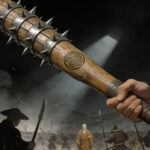
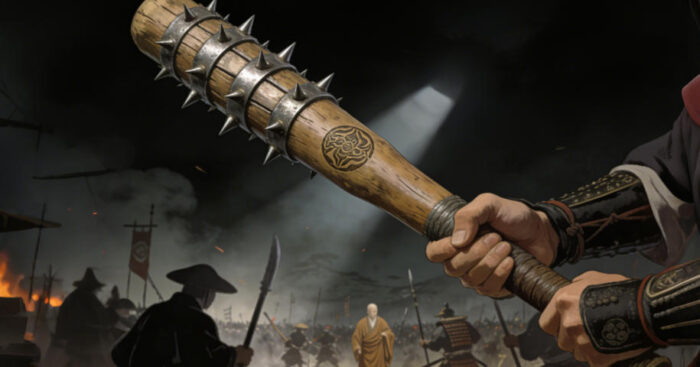
The Kanabo is a large, spiked or studded club traditionally made from solid wood or iron. Its sheer weight and length make it a weapon capable of inflicting tremendous damage, particularly against armored opponents. Sometimes referred to as a tetsubo, the Kanabo was primarily used by samurai and warrior monks in feudal Japan. Unlike swords or spears, which relied on precision and skill, the Kanabo emphasized brute strength, often turning battles into a display of raw power and psychological intimidation.
In practical terms, a skilled warrior wielding a Kanabo could crush armor, break shields, and overpower multiple opponents at once. This made it not only a weapon but also a symbol of authority and dominance on the battlefield.
Historical Origins of the Kanabo
The history of the Kanabo dates back to Japan’s feudal period, when wars and clan rivalries necessitated robust weaponry. Samurai warriors wielded the Kanabo in sieges and close-quarters combat, where its heavy blows could crush armor and intimidate enemies. In folklore, the Kanabo is frequently associated with oni (demons), who are often depicted carrying massive spiked clubs. These mythological depictions reinforced the weapon’s image as a tool of immense strength and supernatural power.
Interestingly, some historical records suggest that the Kanabo was also used in ritualized training to develop extraordinary strength and stamina. Monks and warriors would practice swinging heavy clubs daily, building not only muscle but also mental discipline, patience, and timing. This dual role—as a weapon and training tool—makes the Kanabo unique among traditional Japanese armaments.
Design and Variations
The traditional Kanabo design typically features a long wooden shaft reinforced with iron studs or spikes. Some versions were entirely made of iron, making them nearly indestructible in battle. Variations of the Kanabo include:
- Tetsubo: A metal-studded or fully iron club used in samurai warfare, designed to shatter enemy armor.
- Spiked Kanabo: Equipped with sharpened studs or protrusions to maximize impact, often linked to legends and folklore.
- Wooden Kanabo: Lighter versions used for training, ceremonial purposes, or practice in martial arts dojos.
The length of a Kanabo could range from 1.2 to 2 meters, requiring great strength and technique to wield effectively. This is why warriors and monks would dedicate years to mastering the Kanabo martial arts techniques, focusing on balance, grip, and the strategic use of momentum to deliver maximum force.
Kanabo in Martial Arts
Though less common than swords or spears, the Kanabo has a significant place in traditional Japanese martial arts. Schools of koryu bujutsu and other classical combat systems often teach the Kanabo to develop both strength and coordination. Training with a Kanabo emphasizes timing, endurance, and spatial awareness, as swinging a weapon of such mass requires precision to avoid self-injury.
Modern martial arts enthusiasts sometimes practice with lighter replicas or training Kanabo versions, blending historical techniques with contemporary safety measures. The Kanabo continues to inspire martial artists who seek to connect with authentic samurai combat traditions.
Kanabo in Pop Culture
The Kanabo’s intimidating design has cemented its place in modern pop culture. From anime and manga to video games, this weapon frequently appears as a symbol of raw power and mythical strength. Iconic characters wielding spiked clubs often draw direct inspiration from the Kanabo, reflecting its legendary status.
For example, in Japanese media, warrior oni or strong heroes are often depicted with Kanabo-like weapons, emphasizing not only physical might but also fearlessness. Collectors and fans alike seek Kanabo replicas that faithfully reproduce historical designs, blending art, craftsmanship, and fantasy.
Why Collectors and Enthusiasts Love the Kanabo
For collectors, owning a Kanabo is about more than just possessing a weapon—it’s about preserving a piece of Japanese history. Authentic Kanabo replicas are highly sought after for display, cosplay, and martial arts practice. Modern reproductions often balance historical accuracy with aesthetic appeal, featuring hand-forged spikes, polished wood, and ironwork that reflect traditional craftsmanship.
In addition, the Kanabo appeals to enthusiasts who appreciate the fusion of history, mythology, and martial skill. Owning one allows collectors to connect with Japan’s feudal past, samurai culture, and the larger-than-life stories that surround this legendary weapon.
https://www.coolkatana.com