Ninjato Sword History, Meaning & Differences from Katana Explained
Ninjato Sword Explained: History, Meaning, and How It Differs from a Katana
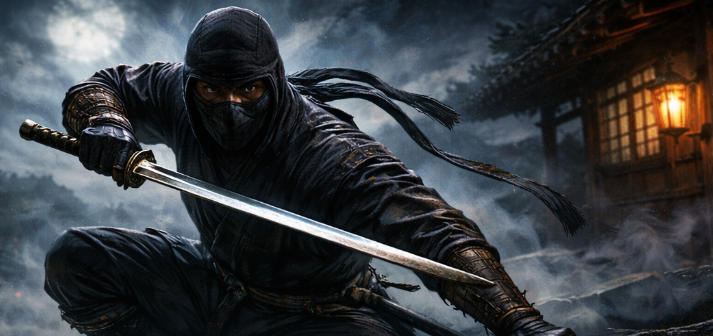
The Ninjato sword is one of the most iconic ninja weapons, often recognized for its straight, practical design. Unlike the curved katana, the Ninjato has a simple, straight blade and a squared guard, reflecting its utilitarian origins. While often romanticized in popular culture, the Ninjato holds a significant place in Japanese martial arts history and ninja weaponry.
The Origins of the Ninjato Sword
The exact origins of the Ninjato sword are debated among historians. Unlike the samurai katana, which dates back to the Kamakura period, the Ninjato is believed to have been used primarily during the Edo period by ninjas for stealth operations. Its straight blade made it easier to draw quickly from tight spaces, and the simple design allowed for practical combat use without drawing unnecessary attention.
Interestingly, many sources suggest that the Ninjato was not a ceremonial sword but a tool of necessity. Ninja swords were meant to be functional, compact, and easy to carry, often paired with shuriken, smoke bombs, or other stealth tools. The square guard, known as a tsuba, allowed ninjas to trap or block enemy blades effectively.
Design and Features of the Ninjato
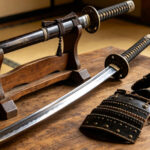
One of the most recognizable features of the Ninjato is its straight blade, typically around 18–24 inches in length. The handle, often wrapped in black cord, provides a secure grip for fast strikes and defensive maneuvers. Unlike the elegant curvature of a katana, the straight design of the Ninjato reflects practicality over artistry.
Another key feature is the scabbard, which was usually made from lightweight wood, allowing ninjas to move swiftly and silently. Some historical accounts suggest that ninjas could use the scabbard to block attacks or strike opponents, further emphasizing the sword’s multifunctional design.
Ninjato vs. Katana: Key Differences
While both are traditional Japanese swords, there are clear differences between a Ninjato sword and a katana:
- Blade Shape: Ninjato blades are straight; katana blades are curved.
- Guard Design: Ninjato often has a square guard, while katana tsuba is round and decorative.
- Usage: Ninjato is associated with stealth and quick combat; katana is linked to samurai honor and battlefield performance.
- Length: Ninjato is typically shorter, making it easier for ninjas to carry unnoticed.
These differences highlight how each weapon was tailored to the needs of its user—ninjas valued practicality, while samurai valued technique and symbolism.
Cultural Significance of the Ninjato
Beyond its functional role, the Ninjato sword has become a cultural icon, symbolizing ninja skills and stealth tactics in films, anime, and video games. Collectors and martial arts enthusiasts often seek authentic replicas or high-quality reproductions, appreciating the craftsmanship and historical significance of the blade.
Moreover, modern martial arts schools that focus on ninjutsu often train with Ninjato replicas to preserve traditional techniques and maintain the legacy of ninja warriors. The sword remains a bridge between historical weaponry and contemporary martial arts training.
Collecting and Owning a Ninjato Sword
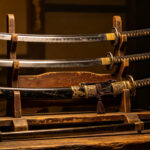
For collectors, owning a Ninjato sword is about more than just aesthetics. High-quality swords feature authentic steel, precise balance, and traditional wrapping techniques. Many enthusiasts pair Ninjato swords with shuriken or other ninja tools to create a complete display of historical ninja weaponry.
When buying a Ninjato sword, consider:
- Blade material and craftsmanship
- Authenticity of design
- Overall balance and weight
- Historical accuracy vs. display purposes
With the right care, a Ninjato sword can be both a stunning collectible and a functional training tool.
Conclusion
The Ninjato sword remains one of the most intriguing weapons in Japanese history. From its practical straight blade and square guard to its legendary association with stealthy ninjas, it offers a fascinating glimpse into the world of ninja weaponry and Japanese martial arts. Whether you are a collector, martial artist, or history enthusiast, understanding the Ninjato sword’s design, history, and cultural significance provides valuable insight into Japan’s rich sword-making tradition.
Hand Forged Japanese Ninja Sword T10 Steel Unokubi-Zukuri Stright Blade Iron Tsuba