Rurouni Kenshin Sakabato: The Legendary Reverse Blade Samurai Sword
Why Does Kenshin’s Sakabato (Reverse Blade Sword) Captivate Anime Fans and Immerse Them in the World of Samurai and Redemption?
If you ask which anime can truly ignite passion and touch the heart, Rurouni Kenshin would definitely make the list.
This series not only delivers breathtaking sword fights but also explores the soul of a wandering samurai searching for redemption. After watching it, you can’t help but imagine holding a reverse blade sword (Sakabato) in your hands — practicing a few strikes and feeling the weight of its spirit.
Today, let’s step into Kenshin’s world, explore his journey, and understand why his sword and his story continue to move millions of fans around the world.
Kenshin in the Turmoil of the Bakumatsu: A Powerful Historical Setting
The story of Rurouni Kenshin unfolds during the early Meiji Restoration, right after the chaos of the Bakumatsu era. Japan was transitioning from the age of samurai to modern society. Political revolution, moral conflict, and social transformation formed a complex historical backdrop filled with tension and change.
Once known as the fearsome “Hitokiri Battōsai”, Kenshin Himura was a legendary assassin whose blade determined life and death. His swordsmanship was cold and precise, honed in countless battles fought in the shadows of civil war.
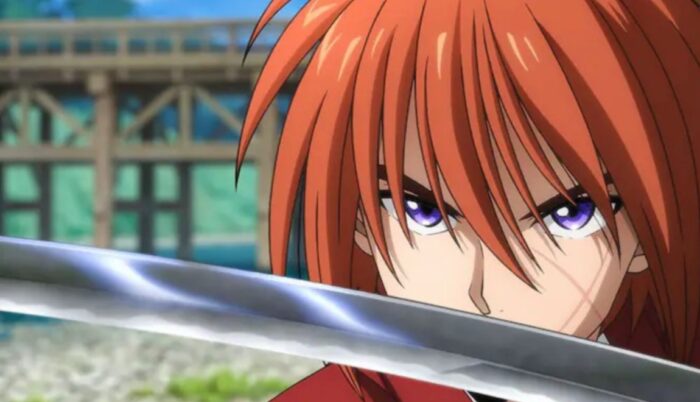
But after the fall of the shogunate, Kenshin abandoned killing. He vowed to protect the innocent, wielding the Sakabato, a reverse blade sword whose sharp edge faces inward — symbolizing repentance and the will never to take another life.
This choice marks not only a turning point in Kenshin’s life but also conveys author Nobuhiro Watsuki’s core message:
True strength is not found in defeating others, but in protecting what truly matters.
That principle defines every one of Kenshin’s battles. Against powerful enemies and dark forces, Kenshin upholds his vow of “no killing,” proving that compassion and restraint can be stronger than any blade. It’s this philosophy that resonates so deeply with anime and samurai fans alike.
The Characters: Every Soul Follows Its Own Path in the Samurai World
Kenshin Himura — The Wandering Swordsman Seeking Redemption
Once the deadly Battōsai, Kenshin’s sword decided the fate of many. In the Kyoto Arc, his duel against Shishio Makoto tested his ideals and his humanity. In the Tokyo Arc, he fought to defend Kaoru and her dojo, showing that his sword could protect, not destroy.
Every battle pushed him to balance power with morality — transforming him from assassin to guardian.
Kaoru Kamiya — A Gentle Yet Steadfast Anchor
Kaoru embodies warmth and courage. As the head of the Kamiya Dojo, she welcomes Kenshin and becomes his emotional foundation.
Even when she can’t fight beside him, her faith strengthens his resolve to honor his vow. She symbolizes the love and compassion that temper the sword’s edge.
Shishio Makoto — The Villain Fueled by Fire and Ambition
Shishio, Kenshin’s most dangerous foe, leads the Juppongatana with a dream of conquest through chaos. His body burns with literal and figurative fire — representing the destructive nature of unchecked ambition.
Through Shishio, the anime explores how power without morality leads only to ruin.
Hajime Saitō — The Cold Enforcer of Justice
A former Shinsengumi captain turned Meiji police officer, Saitō Hajime embodies a ruthless sense of justice: “Aku Soku Zan” — “Swift death to evil.”
His strict, pragmatic worldview serves as a counterbalance to Kenshin’s mercy, creating one of the most compelling rivalries in samurai fiction.
Aoshi Shinomori & Sōjirō Seta — Reflections of Kenshin’s Inner Conflict
Aoshi’s pride and pain, Sōjirō’s innocence and ruthlessness — both mirror Kenshin’s own struggle between violence and compassion.
Their duels go beyond swordplay, representing moral and emotional confrontations that define the very soul of the samurai.
These characters don’t just accompany Kenshin — they challenge him, reflect him, and push his ideals to the limit. Together, they make Rurouni Kenshin not only an action epic but also a profound study of ethics, emotion, and redemption.
The Sakabato: Kenshin’s Reverse Blade Sword of Redemption
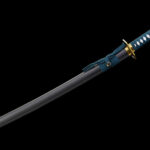
The Sakabato, or reverse blade sword, is the heart of Kenshin’s identity. Unlike a traditional samurai katana, the sharpened edge faces inward, preventing lethal strikes.
This design perfectly symbolizes Kenshin’s vow never to kill, while still allowing him to fight with honor and skill. It’s a weapon of protection, not destruction.
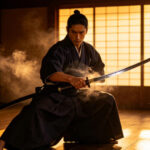
In both the anime and live-action films, the Sakabato becomes an unforgettable visual icon — a blend of craftsmanship, philosophy, and artistry.
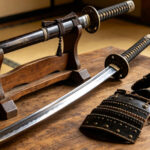
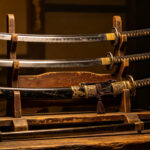
Many collectors and cosplay enthusiasts purchase hand-forged Sakabato replicas to recreate Kenshin’s spirit and experience the world of Rurouni Kenshin firsthand.
Each replica — whether made of 1095 high carbon steel, T8 tool steel, or clay tempered steel — captures the elegance and meaning of the original weapon. Owning one feels like holding a piece of anime history and the soul of the wandering samurai.
Swordsmanship and the Sakabato: A Feast for the Eyes and the Soul
The swordsmanship in Rurouni Kenshin is a masterclass in anime choreography. Every strike, parry, and stance carries rhythm, emotion, and storytelling.
Kenshin’s fighting style, Hiten Mitsurugi-ryū, combines incredible speed with fluid grace. Each duel — from street fights in Tokyo to the fiery showdown with Shishio — reflects Kenshin’s inner struggle between vengeance and virtue.
Because of the reverse blade, Kenshin must rely on precision, strategy, and empathy rather than brute force. This transforms every battle into a dance of spirit and resolve, making the Sakabato not only a weapon but also a metaphor for balance — between past and present, guilt and hope.
From Anime to Collectibles: Experiencing the World of the Wandering Samurai
Beyond its story, Rurouni Kenshin has become a global cultural experience. The anime’s artistic direction, historical depth, and emotional storytelling continue to inspire fans decades after its debut.
Collectors and enthusiasts can relive Kenshin’s journey through authentic replicas such as:
Hand Forged Rurouni Kenshin Sakabato Katana Sword – 1095 Steel Reverse Cutting Edge, Battle Ready
T8 Tool Steel Clay Tempered Kenshin Himura Katana – Genuine Rayskin Handle
Handmade Anime Reverse Blade Sword – Full Tang, 1095 High Carbon Steel
Each sword is a piece of craftsmanship — perfect for display, cosplay, or practice — blending anime artistry with samurai heritage.
By holding a Sakabato replica, fans connect not just to Kenshin, but to the enduring spirit of Bushido and the philosophy that power should protect, not destroy.
Kenshin’s Journey: From Battōsai to Protector
Kenshin Himura’s transformation from the ruthless Battōsai to a gentle wanderer is one of the most emotionally powerful arcs in anime.
Haunted by the lives he took, Kenshin seeks redemption through mercy and protection. Every swing of his reverse blade is a reminder of his vow — to defend the weak without repeating the sins of his past.
He represents the true essence of samurai honor:
Strength is not measured by how many you can defeat, but by how much you can protect.
This message elevates Rurouni Kenshin from a sword-fighting anime to a timeless moral tale about forgiveness, duty, and the human heart.
Conclusion: Beyond Swordsmanship — A Legacy of Humanity and Redemption
Rurouni Kenshin is a rare masterpiece that fuses history, swordsmanship, and humanity into one unforgettable story.
Whether you’re an anime enthusiast, a collector of real katanas, or a lover of Japanese samurai culture, Kenshin’s journey offers inspiration and depth.
The reverse blade sword (Sakabato) stands as more than just a weapon — it’s a symbol of compassion, self-control, and redemption.
When you hold one, you’re not simply holding steel; you’re holding a piece of Kenshin’s soul — a reminder that even the sharpest blade can protect, not destroy.