Samurai History, Bushido Code, Weapons & Armor of Legendary Japanese Warriors
Samurai Facts Explained: History, Weapons, and the Code of Bushido in Japan
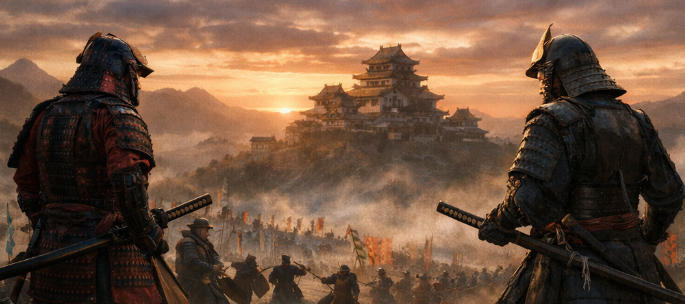
The samurai have fascinated people worldwide for centuries. Known as elite Japanese warriors of feudal Japan, their story blends history, legend, and the strict moral code of Bushido, making them one of the most iconic symbols of Japanese culture. From their samurai armor and katana swords to their strategic warfare and loyalty, understanding samurai offers a unique glimpse into Japan’s feudal era.
Origins of the Samurai
The samurai class emerged during the late Heian period (794–1185) as provincial warriors hired by noble families to protect their lands. Over time, they became a powerful social class, serving under daimyo, the feudal lords, and eventually forming the backbone of the shogunate system. Their rise was marked by the Genpei War, where samurai demonstrated their exceptional skills in battle, shaping Japan’s military and political landscape.
The Code of Bushido: Honor, Loyalty, and Discipline
At the heart of every samurai was Bushido, or “the way of the warrior.” This moral code emphasized loyalty, honor, courage, and self-discipline. A samurai’s reputation was built not just on their combat skills but also on their adherence to Bushido. They were expected to act with integrity, serve their lord faithfully, and embrace death fearlessly if necessary.
Key virtues of Bushido included:
- Rectitude (Gi): The samurai’s unwavering moral judgment.
- Courage (Yu): Bravery in the face of danger.
- Benevolence (Jin): Compassion for others, even in warfare.
- Respect (Rei): Proper conduct and etiquette.
- Honor (Meiyo): Maintaining personal and family reputation.
- Loyalty (Chugi): Devotion to their lord above all else.
- Self-Control (Jisei): Mastery over emotions and desires.
Samurai Weapons and Armor
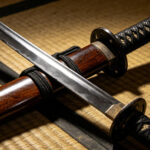
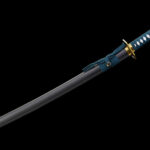
Samurai weapons were carefully designed for both offense and defense. The katana, a curved, single-edged sword, became the ultimate symbol of the samurai warrior. Alongside the katana, samurai often carried a wakizashi (short sword), and sometimes used yari spears and naginata polearms.
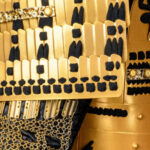
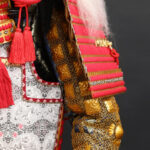
Samurai armor played a crucial role in battle. Constructed from iron, leather, and lacquered plates, it balanced protection and mobility, allowing warriors to fight efficiently on foot or horseback. Helmets (kabuto) often featured elaborate designs, reflecting both status and intimidation tactics. Collectors today seek authentic samurai swords and armor for historical and cultural appreciation.
Samurai Tactics and Strategy
Beyond physical strength, samurai were masters of martial arts and battlefield strategy. They trained in archery (kyudo), horseback riding, and hand-to-hand combat. Samurai relied on careful planning, discipline, and psychological tactics to gain the upper hand. Their emphasis on precision, timing, and patience set them apart from other warriors in feudal Japan.
Famous Samurai Figures
Several historical samurai have become legendary for their deeds and influence:
- Miyamoto Musashi: Renowned samurai swordsman and strategist, author of The Book of Five Rings.
- Oda Nobunaga: Warlord who began the unification of Japan.
- Toyotomi Hideyoshi: Successor to Nobunaga, consolidating control over Japan.
- Date Masamune: Known as the “One-Eyed Dragon,” a symbol of samurai leadership and courage.
Samurai Culture and Influence Today
Even after the decline of the samurai class during the Meiji Restoration (1868), their legacy endures. Modern Japanese martial arts, such as kendo (swordsmanship) and judo, carry the spirit of Bushido. Samurai aesthetics inspire anime, movies, video games, and global pop culture. Enthusiasts study samurai swords, armor, and artifacts to connect with this legendary warrior tradition.
Understanding Samurai: More Than Warriors
While samurai are often portrayed as fierce fighters, they were also scholars, poets, and practitioners of art and philosophy. Their dedication to discipline, loyalty, and honor offers timeless lessons applicable beyond the battlefield. The samurai legacy represents courage, resilience, and a unique cultural identity that continues to captivate the world.
Hand Forged Japanese Samurai Katana Sword 1095 High Carbon Steel Blue Blade