Sanada Yukimura Red Samurai Armor: History, Symbolism & Collector Value
Sanada Yukimura Red Samurai Armor: History, Symbolism, and Collector Insights
IntroductionSanada Yukimura, famously known as the “Crimson Demon of War,” stands out as one of Japan’s most legendary samurai. His remarkable courage during the Sengoku period, particularly in the Siege of Osaka, has immortalized him in history. Central to his identity was his red samurai armor, a symbol of bravery, loyalty, and martial prowess that continues to captivate historians, samurai enthusiasts, and collectors around the world.
The Life and Legacy of Sanada Yukimura
Born in 1567 in the turbulent Sengoku era, Sanada Yukimura was raised in a time of constant warfare and shifting alliances. As the second son of the Sanada clan, he quickly became known for his exceptional martial skills, intelligence in strategy, and unwavering loyalty to the Toyotomi clan. His tactical genius during the Siege of Osaka (1614-1615) demonstrated his ability to take on overwhelming odds and still inspire his troops, earning him the moniker “Crimson Demon of War.”
Yukimura’s influence extends beyond military achievements. He became a cultural symbol of samurai honor, perseverance, and fearless determination, appearing in literature, theater, anime, and video games. His enduring legacy has made his red armor one of the most recognizable and revered artifacts in samurai history.
The Design and Symbolism of Red Samurai Armor
Sanada Yukimura’s armor was not just functional; it conveyed a powerful message to both allies and enemies:
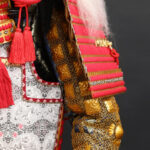
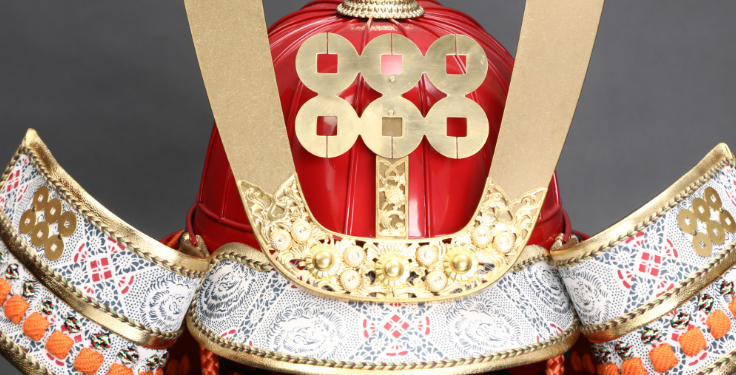
- Bright red lacquered plates: Red was associated with courage and protection in battle. It also made him visually stand out on the battlefield, boosting morale among his troops.
- Rokumonsen emblem (six coins): This emblem represented the readiness to meet death with honor. It was a reminder of the samurai’s dedication to family and clan loyalty.
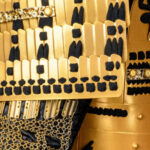
- Layered lamellar construction: This design allowed flexibility, making it easier for Yukimura to maneuver in combat while maintaining protection against arrows, swords, and spears.
- Ornate kabuto (helmet): His helmet often featured striking decorations, signifying rank and personal identity, while intimidating enemies.
The red armor became a symbol of both physical protection and spiritual courage, embodying the samurai’s code of Bushido—loyalty, honor, and self-sacrifice.
Sanada Yukimura in Battle: Tactics and Bravery
Sanada Yukimura’s military strategies are studied to this day by historians and enthusiasts of martial arts. During the Siege of Osaka, he used guerrilla tactics, surprise counterattacks, and fortified positions to resist the Tokugawa forces. His leadership style combined courage with careful planning, demonstrating that strategy and morale were as important as weaponry.
He earned respect even from his enemies for his fearlessness in combat and his ability to inspire troops to fight against superior forces. His daring actions and red armor became synonymous with unwavering resolve.
Cultural Significance and Popular Influence
Beyond battle, Sanada Yukimura’s image has been immortalized in Japanese culture:
- Kabuki and Noh theater: His life and battles are dramatized, often highlighting his red armor as a symbol of heroism.
- Anime and video games: Modern media frequently portray him as the archetypal samurai hero, reinforcing his legendary status.
- Festivals and historical reenactments: Cities like Ueda celebrate his legacy with armor exhibitions, parades, and samurai battle recreations.
The red samurai armor remains a powerful visual motif in art, literature, and pop culture, representing courage, sacrifice, and honor.
Collector Value of Sanada Yukimura’s Armor
Original and replica Sanada Yukimura red armor pieces are highly sought after in the collectors’ market. Factors influencing value include:
- Authenticity: Original artifacts from the Sengoku period, especially items verified by historians, hold significant historical and financial value.
- Craftsmanship: Modern replicas, particularly hand-crafted pieces by skilled artisans, can command high prices among collectors and museums.
- Provenance and cultural significance: Armor connected to historical reenactments, exhibitions, or famous collections is more prestigious and collectible.
- Condition and completeness: Full sets of armor, including kabuto, sode (shoulder guards), and do (chest armor), are much more valuable than partial sets.
Owning a piece of Sanada Yukimura’s legacy allows collectors to connect with the Sengoku era, samurai traditions, and the stories of legendary warriors.
Why Sanada Yukimura’s Red Armor Remains Iconic Today
The allure of Sanada Yukimura’s armor lies not only in its visual appeal but in the rich history and symbolism behind it. Red continues to represent courage and determination, making it perfect for storytelling, illustration, and modern collectibles. For history buffs, martial artists, and samurai armor collectors, it serves as a tangible connection to Japan’s Sengoku period, when warriors lived and died by honor, loyalty, and strategy.
The Crimson Demon of War reminds us that true valor is timeless, transcending centuries through both historical study and cultural representation.
Conclusion
Sanada Yukimura’s red samurai armor is more than just a historical artifact—it embodies courage, loyalty, tactical brilliance, and the spirit of the samurai. From the bloody battlefields of the Sengoku period to modern collectors’ exhibitions and cultural festivals, his legacy endures. For enthusiasts exploring samurai history, armor collection, or Japanese martial culture, the legend of Sanada Yukimura offers inspiration, admiration, and a direct link to one of Japan’s most heroic warriors.
https://www.coolkatana.com/blogs/news/sanada-yukimura-red-samurai-armor-history-symbolism-collector-value