Scabbards Explained: History, Types, and Sword Protection
Scabbards Explained: History, Functions, Types, and Modern Sword Scabbard Uses
When people think about swords, they often focus on the blade, steel quality, or historical significance. Yet one of the most important parts of any sword is often overlooked—the scabbard.
A well-crafted sword scabbard does much more than simply hold a blade. Throughout history, scabbards have protected valuable weapons, preserved sharp edges, improved safety, and even served as symbols of rank and prestige. From medieval knights and Roman soldiers to Japanese samurai, the scabbard has always been an essential companion to the sword.
In this guide, we’ll explore the history of scabbards, their functions, different types, construction methods, and why modern collectors still value a high-quality sword scabbard today.
What Is a Scabbard?
A scabbard is a protective sheath designed to hold a sword, dagger, or other bladed weapon. The terms scabbard and sword sheath are often used interchangeably, although “scabbard” traditionally refers to rigid sword coverings while “sheath” is more commonly associated with knives.
The primary purpose of a scabbard is simple:
-
Protect the blade
-
Protect the user
-
Make carrying the weapon easier
-
Preserve sharpness and condition
-
Provide safe storage and transportation
Without a proper scabbard, even the finest sword would be difficult to carry safely and more vulnerable to rust, scratches, and environmental damage.
The Origins of Sword Scabbards
Scabbards have existed for nearly as long as swords themselves. Archaeological evidence suggests that early Bronze Age civilizations already used protective coverings for their weapons. Ancient cultures quickly realized that carrying a bare blade was impractical and dangerous.
Early scabbards were commonly made from:
-
Wood
-
Leather
-
Animal hide
-
Bronze fittings
-
Linen wrapping
As metallurgy advanced, sword-making technology improved, and scabbards evolved alongside the weapons they protected.
Scabbards in Ancient CivilizationsRoman Sword Scabbards
Roman soldiers carried their famous gladius swords in highly decorated scabbards. These often featured bronze or brass fittings, engraved designs, and military symbols.
For Roman officers, a scabbard was more than practical equipment—it was a visible symbol of status and authority.
Celtic and Viking Scabbards
Celtic warriors created elaborate scabbards with decorative metalwork and artistic engravings. Vikings typically used wooden-core scabbards wrapped in leather, often suspended from belts or shoulder straps. Historical evidence suggests many medieval European scabbards used wood cores combined with leather coverings and metal fittings for durability.
The Medieval Sword Scabbard
During the Middle Ages, the medieval sword scabbard became increasingly sophisticated.
Knights relied heavily on their swords, making proper protection essential. Most medieval scabbards consisted of:
-
A carved wooden core
-
Leather outer covering
-
Wool or fabric lining
-
Metal throat and chape fittings
The wool lining served an important purpose. Natural oils in wool helped reduce moisture and protect the blade from rust. This design allowed swords to remain battle-ready while being carried daily.
Many noblemen commissioned custom scabbards decorated with family crests, religious symbols, and precious metals.
The Japanese Katana Scabbard (Saya)
Among the most famous sword scabbards in history is the Japanese saya.
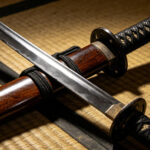
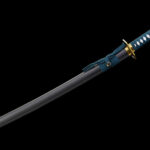
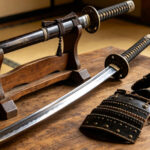
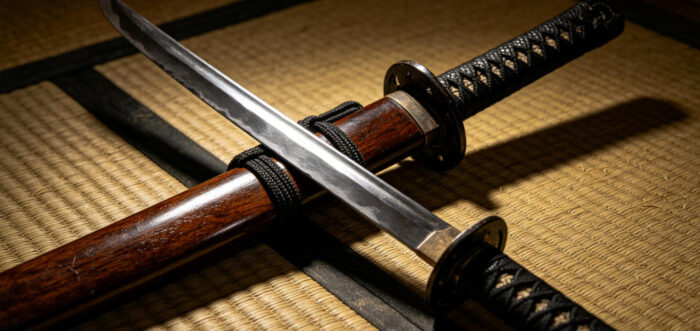
A katana scabbard differs significantly from many European designs. Traditionally crafted from lightweight wood and coated with layers of lacquer, the saya provides excellent protection while remaining elegant and lightweight.
The saya is designed to:
-
Protect the razor-sharp katana edge
-
Prevent moisture damage
-
Allow smooth drawing techniques
-
Complement the overall sword aesthetics
For samurai warriors, the saya was considered part of the sword itself. A finely crafted saya often reflected the owner’s social standing and artistic taste.
Main Parts of a Sword Scabbard
Understanding scabbard anatomy helps collectors appreciate the craftsmanship involved.
Throat
The throat is the opening where the blade enters the scabbard. It helps guide the sword during insertion and removal.
Body
The main section that houses the blade and provides structural protection.
Chape
The metal fitting at the tip of the scabbard. It protects both the scabbard and the sword point from wear.
Suspension System
Belts, rings, straps, or hangers allow the sword to be carried comfortably.
How Does a Scabbard Work?
Many people wonder: How does a scabbard hold a sword without dulling the blade?
A properly designed scabbard grips the sword primarily around the spine or collar area rather than pressing heavily against the cutting edge. Wooden-core designs help minimize wear while providing secure retention. Collectors and sword enthusiasts often note that well-made wood-lined scabbards preserve edges far better than metal alternatives.
The result is a secure fit that allows the sword to remain stable during movement while still being easy to draw when needed.
Common Types of Sword ScabbardsLeather Scabbards
Popular for medieval swords and historical reproductions.
Advantages:
-
Traditional appearance
-
Durable construction
-
Lightweight design
Wooden Scabbards
Frequently used for katanas and many historical European swords.
Advantages:
-
Excellent blade protection
-
Reduced moisture retention
-
Long-term storage benefits
Metal Scabbards
Common in military sabers and ceremonial weapons.
Advantages:
-
Strong external protection
-
Decorative possibilities
Custom Sword Scabbards
Modern collectors often commission custom scabbards tailored to specific swords.
Features may include:
-
Hand-tooled leather
-
Engraved fittings
-
Precious metals
-
Personalized artwork
-
Historical reproductions
Scabbards in Modern Sword Collecting
Today, scabbards remain an essential component of sword ownership.
Collectors often seek complete sword-and-scabbard sets because original scabbards can significantly increase historical value and authenticity.
Modern enthusiasts use scabbards for:
-
Safe sword storage
-
Display collections
-
Historical reenactments
-
Cosplay events
-
Martial arts practice
-
Transportation and protection
A high-quality scabbard can dramatically extend the lifespan of a sword while enhancing its visual appeal.
Scabbard Myths and MisconceptionsMyth 1: Swords Were Commonly Carried on the Back
Movies and video games often show warriors drawing long swords from back-mounted scabbards.
Historically, this was relatively uncommon for full-length swords because drawing a long blade over the shoulder is difficult and impractical. Most swords were carried at the waist or suspended from a belt system.
Myth 2: Scabbards Are Just Decorative
In reality, scabbards play a crucial role in preserving the blade, improving safety, and ensuring comfortable carry. Many historians and collectors consider them nearly indispensable for everyday sword use.
Choosing the Right Sword Scabbard
When selecting a sword scabbard, consider:
-
Blade length
-
Blade thickness
-
Sword style
-
Historical accuracy
-
Carrying method
-
Storage environment
-
Material quality
For collectors, a custom-fitted scabbard is usually the best choice because it provides optimal protection and retention.
Final Thoughts
The scabbard is far more than a simple sword accessory. Whether it’s a medieval knight’s leather-covered scabbard, a Viking wooden-core design, or a beautifully lacquered Japanese saya, the scabbard has played a critical role in sword culture for thousands of years.
Understanding the history and function of the sword scabbard reveals why warriors, collectors, martial artists, and historians continue to value these protective sheaths today. A sword may be the weapon, but the scabbard is what keeps that weapon protected, preserved, and ready for use whenever it is needed.