Survival Strategies and Secrets in Granny Horror Game
Introduction to the Game
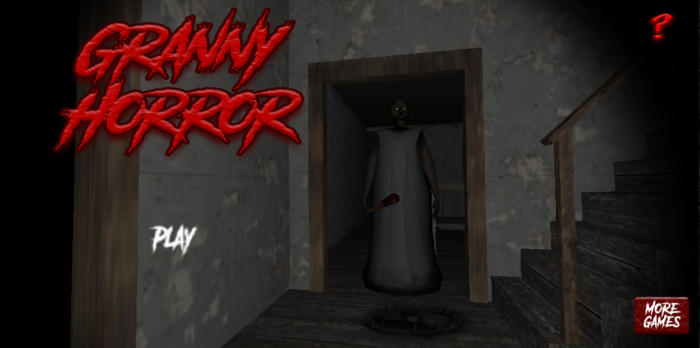
Granny is a horror survival game that focuses on stealth, exploration, and puzzle solving inside a locked house. The main objective is to escape within a limited number of days while avoiding detection. The environment is filled with traps, locked rooms, hidden items, and unpredictable dangers that create constant tension.
The player starts trapped inside the house and must move carefully to avoid alerting Granny. Noise plays a major role in gameplay, as even small sounds can attract attention. This creates a slow and methodical pace where planning and observation are more important than speed.
Core Gameplay MechanicsStealth and Movement
Stealth is the foundation of the experience. Movement must be controlled and deliberate. Running creates noise, while walking allows quieter exploration. Players must crouch, hide under beds, or inside wardrobes to avoid being detected.
Granny reacts to sound and visual cues. If a door creaks, an object falls, or footsteps are heard, she begins searching the area. This forces players to think before acting and to plan routes carefully through each room.
Time Limit and Day System
The game uses a day system, typically allowing a limited number of attempts to escape. Each time the player is caught, a new day begins. Progress made during previous attempts can still help, as players learn the layout and item locations over time.
This structure encourages repetition and memory. Each attempt becomes more efficient as the player gains knowledge of the environment and the behavior patterns of Granny.
Item Collection and Puzzle Solving
Escape requires collecting key items such as keys, tools, and components. These items are often hidden in drawers, locked boxes, or behind puzzles. Some items must be combined to unlock new paths or solve mechanisms.
Puzzles include code locks, hidden switches, and environmental interactions. Players must explore thoroughly and remember clues found in different rooms. Success depends on logical thinking and careful exploration.
Environment and Level DesignThe House Layout
The house in Granny is designed as a maze-like structure with multiple floors, secret passages, and locked areas. Each room has a purpose, whether it contains items, traps, or access points to other sections.
Navigation becomes easier with familiarity. Over time, players learn shortcuts, item spawn locations, and safe hiding spots. This knowledge is essential for efficient escapes.
Interactive Objects
Many objects in the environment can be interacted with. Doors can be opened or locked, drawers can be searched, and items can be picked up and dropped. Some objects trigger sounds when used, which may alert Granny.
Interactive elements add depth to gameplay by encouraging experimentation. Players must test different approaches to understand how each object affects movement and detection.
Hidden Areas and Secrets
Secret passages and hidden rooms are common features. These areas often contain valuable items or provide shortcuts between sections of the house. Discovering these spaces can significantly improve survival chances.
Exploration is rewarded, but it must be done cautiously. Hidden areas can also contain traps or unexpected encounters, increasing the risk of discovery.
Enemy Behavior and ThreatsGranny as an Antagonist
Granny patrols the house and reacts dynamically to player actions. Her movement patterns are not entirely predictable, which creates uncertainty during exploration. She can appear suddenly if noise is made or if the player is seen.
Avoiding direct confrontation is essential. The player does not have tools to fight effectively, so hiding and evasion are the primary strategies for survival.
Additional Obstacles
In some versions of the game, additional threats may appear, such as other characters or environmental hazards. These elements increase difficulty and require adaptation of strategies.
Traps placed throughout the house can also harm the player. These include bear traps, alarms, and locked mechanisms that slow progress or reveal location.
Strategies for SurvivalPlanning Routes
Before moving through the house, it is helpful to plan a route that connects multiple objectives. This reduces unnecessary movement and limits exposure to danger. Efficient routes minimize the chance of detection.
Understanding item locations allows players to prioritize essential tools first. For example, obtaining keys early can unlock restricted areas that contain more resources.
Managing Noise
Noise control is one of the most important survival strategies. Actions such as dropping objects or opening doors quickly can attract attention. Players should move slowly and avoid unnecessary interactions.
If noise is unavoidable, players should prepare to hide immediately. Quick reactions can prevent detection and extend survival time.
Effective Hiding
Hiding spots such as closets, beds, and behind furniture provide temporary safety. These locations allow players to avoid detection while Granny searches nearby areas.
Timing is critical when hiding. Entering a hiding spot too late may result in being seen, while staying too long may limit progress. Players must balance caution with movement.
Learning Patterns
Repeated attempts help players learn enemy behavior and item placement. Recognizing common patrol routes and spawn points allows for better anticipation of danger.
Memory plays a key role in improving performance. Each failed attempt provides information that can be used in future runs to increase success probability.
Tips for Beginners
New players should focus on exploration during early attempts rather than rushing the escape. Learning the layout of the house is more valuable than immediate success.
It is also important to experiment with different strategies. Trying various approaches helps identify the most effective methods for specific situations.
Listening carefully to audio cues is another essential tip. Footsteps, door sounds, and environmental noises provide important information about nearby threats.
Advanced Techniques
Experienced players often use advanced techniques such as distraction tactics, item chaining, and optimized movement paths. Dropping objects intentionally can redirect attention away from key areas.
Combining multiple items in sequence allows for faster progression through locked sections. This reduces the number of trips required across the house and lowers risk.
Speed and efficiency become more important at higher skill levels. Players aim to complete objectives in minimal time while maintaining stealth.
Conclusion
Granny delivers a tense and engaging experience built around stealth, exploration, and puzzle solving. The combination of unpredictable enemy behavior, detailed environment design, and time pressure creates a challenging gameplay loop.
Success depends on patience, observation, and careful planning. By understanding mechanics, learning layouts, and practicing strategies, players can gradually improve their chances of escaping the house.