Sword Pommel Types: Balance, Grip & Combat Performance Guide
Sword Pommel Types Explained: Balance, Grip, and Combat Performance
When people talk about swords, attention usually goes to the blade—its sharpness, material, or historical background. However, one crucial component often overlooked is the sword pommel. Despite its small size, it plays a major role in balance, grip, and combat performance, making it essential for sword collectors, practitioners, and enthusiasts.
This guide explains different sword pommel types, how they affect handling, and why they are vital in both historical and modern sword use.
What Is a Sword Pommel?
A sword pommel is the weighted piece located at the end of the hilt. While it may appear decorative, it serves several important structural and functional purposes.
Key functions of a pommel include:
Securing the tang and locking the sword structure together
Acting as a counterweight to improve sword balance and control
Enhancing grip stability during movement
Reducing vibration and shock when striking
Without a properly designed pommel, a sword becomes difficult to control and inefficient in combat.
Why Sword Pommel Types Matter
1. Balance and Center of Gravity
One of the most important factors in sword design is the point of balance. The pommel directly affects how weight is distributed.
A heavier pommel shifts balance closer to the hand, improving control
A lighter pommel increases blade-heavy power but reduces maneuverability
This balance is critical for cutting, thrusting, and defensive techniques, especially in longsword and arming sword combat.
2. Speed and Combat Efficiency
The pommel also impacts how quickly a sword can move and change direction.
Properly weighted pommels allow faster recovery between strikes
Better rotational control improves reaction speed
Efficient handling reduces fatigue during extended use
These factors are essential in HEMA sword training, fencing techniques, and real combat scenarios.
3. Grip and Handling Comfort
The pommel plays a key role in ensuring a secure grip.
Prevents the hand from slipping off the hilt
Supports different grip styles and hand positions
Improves comfort during prolonged practice or display handling
A well-designed pommel enhances sword handling stability and safety, especially for beginners.
Common Sword Pommel Types
Different cultures and time periods developed unique pommel designs. Each type offers distinct advantages depending on usage.
Wheel Pommel
The wheel pommel is one of the most common medieval designs, featuring a circular shape.
Benefits:
Excellent balance and control
Comfortable hand positioning
Widely used in European longswords
It is ideal for balanced combat and precision sword techniques.
Brazil-Nut Pommel
This early medieval pommel is commonly associated with Viking swords.
Features:
Promotes forward-weighted strikes
Enhances cutting power
Popular among historical sword collectors
It is well-suited for heavy cutting and slashing styles.
Scent Stopper Pommel
This pommel type resembles a bottle stopper and became popular in later medieval periods.
Advantages:
Compact and ergonomic design
Good for thrust-focused weapons
Provides refined balance
Often found on arming swords and early rapiers.
Disc Pommel
The disc pommel is simple but highly effective.
Why it works:
Even weight distribution
Smooth handling
Comfortable for extended use
It remains a popular choice for functional swords and modern replicas.
Globular Pommel
This rounded pommel design provides a natural grip feel.
Key benefits:
Solid counterbalance
Easy handling
Versatile across sword types
Sword Pommel Types in Japanese Swords
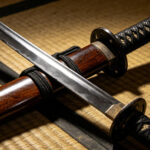
In Japanese swords like the katana, the pommel is called the kashira. While smaller than European pommels, it still contributes to:
Maintaining handle structure
Supporting grip wrapping
Assisting with overall balance
This reflects a different approach to katana balance and traditional sword craftsmanship.
How to Choose the Right Sword Pommel
Selecting the right pommel depends on your purpose.
For Combat and Training
Choose a pommel that improves control and reduces fatigue
Ensure proper weight distribution
Look for durable full tang construction
For Collectors
Match pommel style to historical accuracy
Focus on craftsmanship and detail
Consider display aesthetics
For Beginners
Start with balanced designs like wheel or disc pommels
Prioritize comfort and ease of handling
The Physics Behind Sword Balance
The pommel plays a key role in sword physics and performance.
It affects:
Center of gravity
Energy transfer during strikes
Shock absorption and vibration control
A well-balanced sword feels lighter, faster, and more responsive, improving overall efficiency.
Conclusion
The sword pommel may seem like a minor detail, but it has a major impact on balance, grip, and combat performance. Understanding different sword pommel types helps you choose the right weapon for training, collecting, or display.
In reality, a sword’s effectiveness is not defined by the blade alone—the pommel is what brings control, precision, and harmony to the entire weapon.
https://www.coolkatana.com/