The Unique Design and History Behind the Legendary Ninja Sword
What Makes Ninja Swords Unique?
A Deep Dive Into the History, Design, and Legacy of Japan’s Shadow Warriors
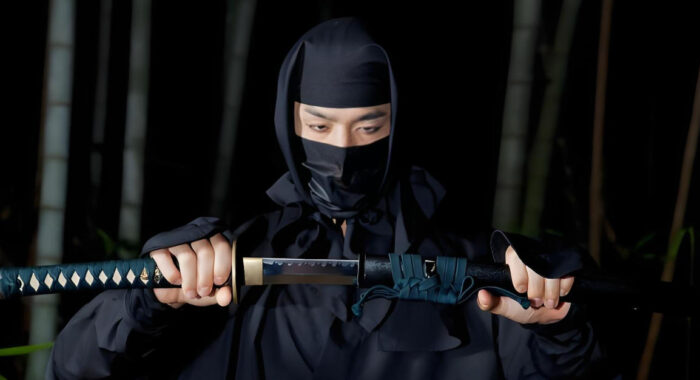
For centuries, ninja—also known as shinobi—have captured the world’s imagination. They are often portrayed as silent, masked warriors slipping through the darkness with unmatched agility, relying on shadow, cunning, and specialized tools. Among their many weapons, the ninja sword, commonly known as the ninjatō, stands out as one of the most iconic.
But what truly makes ninja swords unique? How much of what we believe is historically accurate, and how much comes from modern interpretations and pop culture? This article explores the origins, evolution, design features, historical usage, and cultural impact of ninja swords, offering a rich, SEO-optimized look at one of Japan’s most mysterious weapons.
1. The Origins of the Ninja: Masters of Espionage, Survival, and Adaptation
During Japan’s turbulent feudal period, particularly the Sengoku era (15th–17th centuries), constant conflict created an environment in which unconventional warfare became essential. Unlike samurai, who fought openly under strict codes of honor and bushidō, ninjas specialized in activities like:
Infiltration
Intelligence gathering
Sabotage
Espionage
Targeted attacks
Psychological warfare
They emerged primarily in remote, mountainous regions such as Iga and Kōga, where harsh living conditions encouraged the development of survival skills and stealth-based combat tactics. Because of the sensitive nature of their missions, ninjas required tools that were simple, reliable, multifunctional, and easy to conceal.
This environment shaped the foundation for what later came to be known as the ninja sword.
2. What Is a Ninja Sword?
The Reality Behind the Popular “Ninjatō”
The weapon commonly referred to today as a ninjatō—a straight-bladed, shorter sword with a square guard—is widely recognized in films, anime, and modern reproductions. Its features are typically described as:
A straight blade instead of the curved design seen in samurai katana
A shorter overall length, making it easier to draw quickly
A square or simplistic tsuba (guard)
A thick and sturdy saya (scabbard) that sometimes doubled as a tool
A generally minimalist, practical aesthetic
However, historians debate whether this specific form existed in the past. There is no definitive archaeological proof of a standard ninja sword type. Many scholars believe ninjas likely used:
Shortened katana
Wakizashi
Early straight-bladed chokutō
Modified or repurposed weapons
Modern ninjatō designs, therefore, are best understood as modern interpretations inspired by historical needs, not exact replicas from the past.
3. Why Ninja Swords Were Different From Samurai Katana
Functional Design Rooted in Mission Requirements
Samurai swords such as katana and tachi were designed for open combat with sweeping movements, requiring longer reach and curved blades optimized for slashing. Ninjas, on the other hand, needed something very different.
Key differences between ninja swords and samurai swords:
1. Blade Shape and Length
Katana: Long, curved, elegant, optimized for powerful two-handed cuts.
Ninjatō: Shorter and typically straight, ideal for confined spaces, fast drawing, and stealth.
2. Practicality vs. Ceremony
Samurai swords were symbols of honor. Ninja swords were purely tools—functional, dependable, and built for survival rather than status.
3. Concealment and Mobility
The compact size of ninja swords allowed for easier concealment and rapid movement during nighttime missions, infiltrations, or escapes.
4. Versatility
A ninja sword could serve multiple purposes:
Cutting
Stabbing
Climbing assistance (using the scabbard)
Measuring distances
Storing tools within the saya
This multifunctional approach is one reason the ninja sword remains fascinating today.
4. The Practical Uses of Ninja Swords in Covert Missions
Ninja tools—ninja-dōgu—were designed for flexibility, and their swords were no exception.
1. Quick Combat and Silent Neutralization
The shorter blade allowed for fast strikes in tight areas like hallways, rooms, or forest paths.
2. Enhanced Mobility
Ninjas moved quickly and often climbed, crawled, or balanced on unstable surfaces. A long sword would slow them down, while a lighter, straight sword offered agility.
3. Utility Beyond Combat
The scabbard or sword could be used to:
Gauge depth while crossing rivers
Create footholds while climbing walls
Store small items like powders, messages, or small tools
Strike discreetly without revealing the blade
4. Backup for Other Primary Tools
Ninjas often prioritized tools such as:
Kunai
Shuriken
Caltrops (makibishi)
Grappling hooks
Smoke bombs
Hidden daggers
The sword acted as a reliable fallback weapon.
These details highlight how the ninja sword functioned as part of a larger system of stealth-based warfare, not as a standalone weapon.
5. The Modern Revival of Ninja Swords
From Historical Artifact to Pop Culture Icon
Today, ninjatō swords are more popular than ever. Although their exact historical shape is debated, their symbolic power is undeniable.
Why modern collectors love ninja swords:
1. Strong Cultural Recognition
From anime to action films to video games, ninja swords have become a universal symbol of stealth and mystery.
2. Ideal for Cosplay, Display, and Martial Arts
Their straight blade and minimalist design make them visually striking, whether displayed at home or used for costume events.
3. Functional Training Tools
High-carbon steel or hand-forged versions can be used for cutting practice or technique training, especially in ninjutsu or practical self-defense drills.
4. Collectible Value
For sword enthusiasts, ninja swords offer a unique alternative to the curved katana, adding diversity to any collection.
6. Ninja Sword vs. Katana: Which One Should You Choose?
Choose a Ninja Sword If You Want:
A unique, tactical-style blade
A compact, easy-to-handle sword
A weapon ideal for display, cosplay, or stealth-themed collections
A design inspired by ninjutsu and covert operations
Choose a Katana If You Want:
A traditional Japanese sword with historical prestige
Ideal geometry for cutting practice (tameshigiri)
A symbol of bushidō and samurai heritage
A weapon suited for classical martial arts training
Many collectors enjoy having both, as each represents a different aspect of Japanese sword culture—honor versus strategy, light versus shadow.
7. Conclusion: The Legacy of the Ninja Sword
The ninja sword is more than just a weapon—it is a symbol of adaptability, ingenuity, and survival. Whether viewed historically or through the lens of modern creativity, the ninjatō captures the essence of the ninja’s identity:
Minimalist
Practical
Mysterious
Efficient
Unconventional
From the mountains of feudal Japan to contemporary collections and cultural media, ninja swords continue to fascinate people worldwide. They bridge the gap between history and imagination, representing the spirit of those who mastered the art of moving unseen.
https://cdn.shopify.com/s/files/1/0561/8293/1501/products/805.jpg?v=1684463255