The World in Your Hands: How to Make International Freight More Efficient
In today’s globalized economy, international freight plays a pivotal role in ensuring the smooth flow of goods across borders. With the increasing volume of global trade, companies are facing mounting pressure to optimize their logistics processes to reduce costs, shorten delivery times, and improve customer satisfaction. The key to achieving these objectives lies in enhancing the efficiency of international freight operations. This article explores some of the most effective ways to make international freight more efficient while addressing the key factors that contribute to a successful supply chain.
1. Leveraging Digital Technology and Automation
As technology continues to evolve, digitalization and automation are transforming the landscape of international freight. One of the most significant advancements is the implementation of real-time cargo tracking systems. With the help of Internet of Things (IoT) sensors and Global Positioning System (GPS) technologies, shipments can be monitored in real time, allowing businesses to anticipate delays and make necessary adjustments proactively. This level of visibility enhances transparency and ensures smoother operations.
Moreover, the automation of documentation processes has streamlined the handling of customs clearance, invoicing, and other paperwork traditionally associated with international shipping. By digitizing these documents, companies reduce the risk of human error and expedite the clearance process, leading to faster deliveries and fewer disruptions.
2. Optimizing Transportation Routes
Route optimization is another critical factor in improving international freight efficiency. With the use of big data analytics and Artificial Intelligence (AI), companies can analyze traffic patterns, weather conditions, and other environmental factors to identify the most optimal routes for their shipments. AI-driven algorithms can help prevent unnecessary detours or delays during transportation, thus saving fuel and reducing travel time.
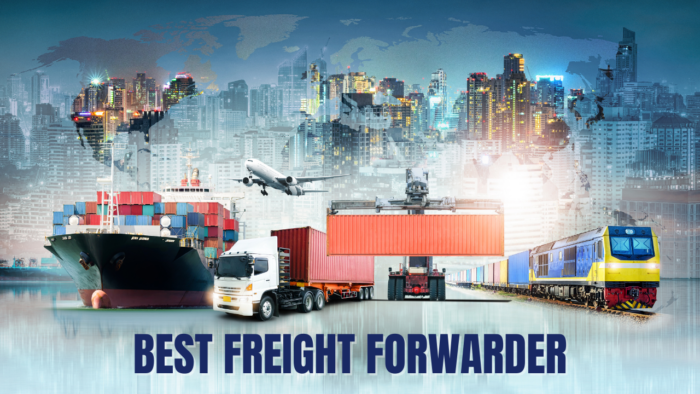
Additionally, multimodal transport is a highly effective way to enhance efficiency in global logistics. By integrating air, sea, and land transportation modes, businesses can select the best combination of routes and transport methods based on factors such as cost, urgency, and the nature of the cargo. This flexibility ensures faster and more reliable deliveries, especially for cross-border shipments.
3. Enhancing Supply Chain Collaboration
A key component of efficient international freight is strong collaboration between all parties involved in the supply chain. Establishing long-term partnerships with trusted logistics providers can ensure smoother coordination, as reliable partners are more likely to honor delivery schedules and help resolve any challenges that may arise during transit.
Moreover, data sharing among stakeholders in the supply chain—such as suppliers, freight forwarders, warehousing facilities, and customs authorities—can significantly improve efficiency. When accurate, real-time data is shared across the network, delays caused by outdated or incomplete information can be minimized. Collaborative efforts can also help identify and resolve bottlenecks faster, leading to a more streamlined shipping process.
4. Implementing Sustainable Practices
As environmental concerns grow, green logistics has emerged as a critical trend in international freight. Companies are increasingly adopting sustainable practices, such as using energy-efficient transportation vehicles and optimizing routes to reduce fuel consumption. These initiatives not only contribute to environmental protection but also help reduce costs in the long run.
Additionally, optimizing packaging plays a vital role in improving logistics efficiency. By reducing the volume of packaging materials or using eco-friendly alternatives, companies can minimize the space required for shipments, leading to more efficient use of cargo capacity. This not only cuts down on transportation costs but also reduces the environmental impact of shipping operations.
5. Ensuring Transparent Communication with Customers
Efficient international freight isn’t just about reducing costs—it’s also about enhancing the customer experience. Maintaining clear and transparent communication with customers is key to building trust and reducing anxiety over the status of their shipments. Many logistics companies now offer real-time shipment tracking, allowing customers to monitor their goods at any stage of transit via mobile apps or online portals.
Providing flexible delivery options is another way to improve efficiency while catering to customer needs. Offering services such as scheduled deliveries or expedited shipping enables businesses to meet various customer preferences and ensure timely deliveries, which in turn improves customer satisfaction.
Welcome to join us https://topchinafreight.com/about-us/