What Is a Samurai? Bushido, Katana, Weapons & Armor Guide
What Is a Samurai? Bushido, Weapons, and Armor ExplainedIntroduction: Understanding the Samurai Legacy
The samurai were the noble warrior class of feudal Japan, known for their exceptional combat skills, strict discipline, and unwavering loyalty. The term “samurai” comes from the Japanese word meaning “to serve,” reflecting their role as devoted retainers to feudal lords, or daimyo.
More than just soldiers, samurai represented a powerful cultural and philosophical tradition. Their influence continues today in martial arts, global pop culture, and the enduring fascination with Japanese history.
The Bushido Code: The Way of the Warrior
Central to samurai identity was Bushido, the “way of the warrior.” This moral code defined how samurai lived, fought, and died. It emphasized:
- Honor (Meiyo) – Protecting one’s reputation at all costs
- Loyalty (Chūgi) – Absolute dedication to one’s lord
- Courage (Yū) – Fearlessness in the face of danger
- Discipline (Jisei) – Emotional control and self-mastery
- Integrity (Gi) – Acting with righteousness
Bushido drew from Zen Buddhism, Confucian teachings, and Shinto traditions, forming a strict ethical system. Samurai who failed to uphold this code could perform seppuku, a ritual suicide meant to restore honor.
Samurai Weapons: Tools of War and Symbols of Status
While the katana is the most iconic samurai weapon, it was only one part of a broader arsenal used in different combat situations.
Katana – The Soul of the Samurai
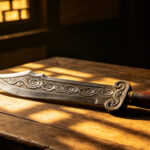
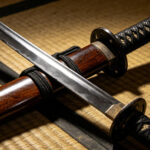
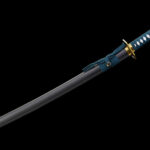
The katana is a curved, single-edged sword renowned for its sharpness and strength. Crafted using advanced forging techniques, it symbolized the spirit and identity of the samurai. It was primarily used for close combat and quick, precise strikes.
Wakizashi and Tanto – Secondary Blades
Samurai commonly carried a pair of swords known as the daisho:
- Wakizashi – A shorter companion sword for indoor fighting
- Tanto – A dagger used for stabbing and ceremonial purposes
These weapons provided versatility and were essential for both combat and ritual.
Yari – The Spear of the Battlefield
The yari was a crucial weapon in large-scale warfare. Its long reach made it ideal for infantry formations, allowing samurai to engage enemies from a safer distance and counter cavalry effectively.
Naginata – A Weapon of Reach and Control
The naginata featured a curved blade on a long shaft, making it excellent for sweeping attacks. It was widely used for crowd control and defense, especially in open combat scenarios.
Yumi – The Samurai Bow
Before swords became dominant, samurai were skilled archers. The yumi, a long asymmetrical bow, allowed them to shoot accurately from horseback and was vital in early Japanese warfare.
Tanegashima – The Introduction of Firearms
Firearms, introduced in the 16th century, transformed samurai warfare. The tanegashima matchlock gun added powerful ranged capabilities and changed battlefield strategies significantly.
Samurai Armor: Strength, Mobility, and Identity
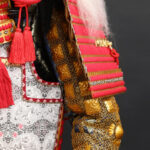
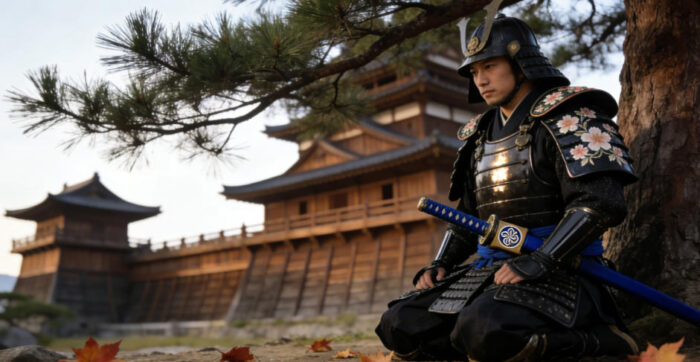
Samurai armor, known as yoroi, was designed to provide protection while allowing freedom of movement. Unlike heavy European armor, it prioritized flexibility and endurance.
Key Components of Samurai Armor
- Kabuto (Helmet) – Protected the head and displayed clan identity
- Dō (Chest Armor) – Guarded vital organs while allowing mobility
- Kusazuri (Thigh Guards) – Protected the lower body
- Kote (Armored Sleeves) – Shielded the arms in combat
- Menpō (Face Mask) – Offered facial protection and intimidation
Samurai armor evolved over time, especially with the rise of firearms, becoming more durable while maintaining its distinctive aesthetic.
Samurai Training and Daily Life
A samurai’s life required continuous training and discipline. Their education included both martial and intellectual development:
- Kenjutsu – Swordsmanship techniques
- Kyudo – Archery mastery
- Sojutsu – Spear fighting skills
- Strategy and tactics
In addition to combat training, samurai studied calligraphy, poetry, and philosophy, striving to become well-rounded individuals embodying both strength and wisdom.
The Decline of the Samurai Class
The power of the samurai began to fade during Japan’s modernization in the 19th century. The Meiji Restoration abolished the feudal system, ending the samurai’s privileged status.
Eventually, the public carrying of swords was banned, marking the symbolic end of the samurai era. However, their cultural and philosophical influence remains deeply embedded in Japanese society.
Why Samurai Culture Still Captivates the World
The global fascination with samurai continues because of their unique combination of:
- Strong moral philosophy
- Legendary weapons like the katana
- Distinctive and artistic armor
- Rich historical significance
From films and anime to martial arts practice, the image of the samurai remains powerful and timeless.
Conclusion: The Enduring Spirit of the Samurai
To understand what a samurai is is to explore more than a warrior—it is to understand a philosophy of life. The blend of Bushido ethics, advanced weaponry, and refined armor created a legacy that continues to inspire people around the world.
The samurai may no longer exist, but their spirit of honor, discipline, and courage lives on across generations.
https://www.coolkatana.com/