What Is Ninjutsu? Ninja History, Origins, and Modern Practice
What Is Ninjutsu? History, Evolution, Ninja Origins, and Modern PracticeIntroduction: Understanding Ninjutsu and Its Global Appeal
Ninjutsu, also known as Ninpō or the art of the ninja, is one of the most fascinating and misunderstood Japanese martial systems. Blending stealth techniques, espionage tactics, guerrilla warfare, and survival skills, Ninjutsu was never just about combat—it was about strategy, intelligence, and adaptability.
Today, interest in Ninjutsu history, ninja training, and ninja weapons continues to grow worldwide, fueled by martial arts enthusiasts, historians, and pop culture. But what exactly is Ninjutsu, and how did it evolve from ancient ninja clans to modern practice?
1. What Is Ninjutsu? Definition and Core Philosophy
Ninjutsu is a comprehensive system of unconventional warfare and survival techniques developed in Japan. Unlike traditional martial arts such as karate or kendo, it emphasizes:
- Stealth and concealment
- Espionage and intelligence gathering
- Guerrilla tactics and asymmetric warfare
- Adaptability in hostile environments
Historically, ninja prioritized mission success over honor or direct confrontation, using deception, disguise, and psychological tactics to outmaneuver enemies.
The philosophy behind Ninjutsu is deeply influenced by strategic thinking, including concepts similar to those found in The Art of War. The kanji “忍” (nin) represents endurance, patience, and secrecy—core traits of a shinobi.
2. Origins of Ninjutsu: From Early Warfare to Ninja Clans2.1 Early Foundations of Ninja Techniques
The roots of Ninjutsu trace back to ancient Japanese battlefield tactics, where scouts and irregular warriors developed methods for:
- Reconnaissance and spying
- Silent movement and camouflage
- Avoiding direct combat
These early techniques laid the groundwork for what would later become organized ninja skills and Ninjutsu systems.
2.2 The Rise of Ninja in Feudal Japan
Ninja (or shinobi) became prominent during periods of conflict such as the Genpei War (12th century) and later civil wars. Their roles included:
- Espionage and intelligence gathering
- Sabotage and infiltration
- Psychological warfare and deception
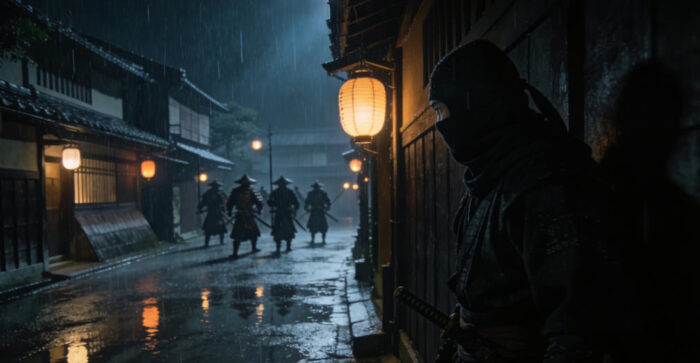
Contrary to popular myths, ninja were not always assassins in black outfits—they were covert operatives integrated into military strategy.
2.3 Iga and Kōga: Centers of Ninjutsu Development
During the Sengoku period (15th–16th century), Ninjutsu became more structured, especially in:
- Iga Province
- Kōga Region
These areas developed formal training systems combining:
- Taijutsu (hand-to-hand combat)
- Kenjutsu (swordsmanship)
- Shurikenjutsu (throwing weapons)
This era represents the peak of traditional Ninjutsu evolution, where ninja became highly skilled specialists.
3. Secret Scrolls and Historical Ninjutsu Manuals
Ninjutsu knowledge was often passed down through secret texts and oral traditions, including:
- Ninpiden – Techniques of stealth and reconnaissance
- Shōninki – Espionage, disguise, and psychological warfare
- Bansenshukai – Comprehensive ninja encyclopedia
These documents preserved ninja tactics, survival strategies, and weapon systems, shaping modern understanding of Ninjutsu.
4. Core Ninjutsu Skills and Training Methods
Ninjutsu training is multi-dimensional, focusing on both physical and mental mastery.
4.1 Stealth and Infiltration Techniques
- Silent movement (shinobi aruki)
- Camouflage and disguise
- Night operations
4.2 Espionage and Intelligence Gathering
- Observation and memory training
- Communication and coded signals
- Psychological manipulation
4.3 Survival and Escape Skills
- Climbing and mobility
- Wilderness survival
- Evasion and escape tactics
These skills highlight why Ninjutsu is often described as a complete survival and strategy system, not just a martial art.
5. Traditional Ninjutsu Weapons and Tools
Ninja weapons were designed for efficiency, concealment, and versatility, rather than battlefield dominance.
5.1 Close-Combat Weapons
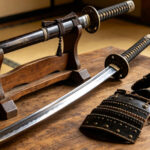
- Ninjato (ninja sword) – Short, straight blade for quick strikes
- Tanto (dagger) – Compact and easily concealed
5.2 Throwing Weapons
- Shuriken (throwing stars) – Distraction and ranged attacks
- Small projectiles for tactical disruption
5.3 Tactical Tools
- Makibishi (caltrops) – Area denial
- Kaginawa (grappling hook) – Climbing and infiltration
- Smoke bombs – Escape and confusion
These tools reflect the core principle of using minimal force for maximum strategic advantage.
6. Evolution of Ninjutsu: From Battlefield to Modern Martial Art
As Japan entered peaceful eras, the need for ninja warfare declined. However, Ninjutsu evolved rather than disappeared.
6.1 Transition into Martial Arts Practice
Modern systems focus on:
- Self-defense techniques
- Physical conditioning
- Tactical awareness
6.2 Global Spread of Ninjutsu
Today, Ninjutsu is practiced worldwide through organizations like:
- Bujinkan Ninjutsu schools
- Independent martial arts dojos
Modern training blends historical techniques with contemporary applications, including fitness, mental discipline, and strategy development.
7. Ninjutsu in Modern Culture and Media
Ninjutsu has become a global phenomenon through:
- Movies and anime (ninja-themed media)
- Video games and pop culture
- Martial arts communities
While modern portrayals often exaggerate abilities, they have helped popularize ninja history and Ninjutsu techniques worldwide.
8. Why Ninjutsu Still Matters Today
Ninjutsu remains relevant because it teaches:
- Strategic thinking and adaptability
- Awareness and observation
- Efficiency under pressure
In a modern context, it is less about combat and more about mindset, discipline, and problem-solving in complex situations.
Conclusion: The Enduring Legacy of Ninjutsu
From its origins in ancient Japan to its role in modern martial arts, Ninjutsu represents a unique fusion of strategy, stealth, and survival intelligence. It is not merely a fighting system but a philosophy centered on adaptability, patience, and achieving goals through intelligence rather than force.
Understanding the history of Ninjutsu, ninja origins, and modern practice offers valuable insight into one of the most intriguing martial traditions in the world—one that continues to evolve while preserving its mysterious legacy.
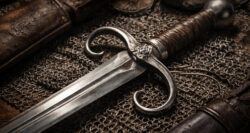
Hand Forged Japanese Ninja Sword Tsurugi Double Edge Straight Blade Sword 1095 High Carbon Steel