What Is Seppuku? Samurai Ritual Suicide History & Meaning
What Is Seppuku? History, Meaning, and Samurai Ritual Suicide ExplainedWhat Is Seppuku?
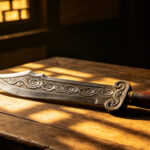
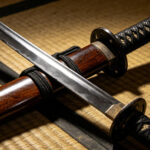
Seppuku, also known as hara-kiri, is a traditional form of Japanese ritual suicide historically practiced by the samurai class. The word “seppuku” literally means “cutting the abdomen,” referring to the act of self-disembowelment using a short blade such as a tantō or wakizashi.
For those searching “what is seppuku” or “define seppuku,” it is important to understand that this act was not considered ordinary suicide. Instead, it was a deeply symbolic ritual rooted in samurai culture, honor, and the moral principles of the Bushido code. In feudal Japan, the abdomen was believed to be the center of the soul and emotions, making this act a powerful display of sincerity, courage, and inner truth.
The History of Seppuku in Samurai Japan
The history of seppuku dates back to 12th-century Japan, during the rise of the samurai and the feudal system. In this era, warriors lived by the strict ethical code of Bushido, which emphasized:
- Honor above life
- Loyalty to one’s lord
- Discipline and self-control
- Acceptance of death
Seppuku became a way for samurai to preserve their dignity, especially after defeat in battle. Rather than being captured or executed by enemies, warriors chose an honorable death through ritual suicide.
Over time, seppuku evolved into two main forms:
- Voluntary seppuku – performed to restore honor or demonstrate loyalty
- Ordered seppuku – used as an official punishment for disgraced samurai
This distinction is essential when exploring samurai death rituals and their role in Japanese history.
How Seppuku Was Performed
The seppuku ritual followed strict ceremonial rules and was often witnessed by others. It was both a physical act and a symbolic performance.
Preparation and Ritual Setting
The samurai typically wore white robes to symbolize purity and spiritual readiness. Many would write a death poem, reflecting on life and acceptance of death. In some cases, sake was consumed as part of the ceremony.
The Act of Self-Disembowelment
The ritual involved:
- Stabbing the abdomen on the left side
- Drawing the blade across to the right
- Sometimes adding an upward cut
This process required immense mental strength and was meant to demonstrate bravery, discipline, and honor.
The Role of the Kaishakunin
A second person, known as the kaishakunin, assisted by performing a swift beheading after the initial cut. This reduced suffering and ensured the ritual remained dignified. The role required great skill and respect.
Why Did Samurai Commit Seppuku?
Understanding “why did samurai commit seppuku” is key to understanding Japanese warrior culture. The reasons include:
Preserving Honor
Samurai chose seppuku to avoid shame after defeat or capture. Honor was valued more than life itself.
Taking Responsibility
Warriors used seppuku to atone for mistakes, failures, or dishonorable actions, restoring personal and family reputation.
Showing Loyalty
Some samurai performed seppuku to follow their lord in death or to protest injustice, demonstrating absolute loyalty.
Legal Punishment
In certain periods, seppuku was an official form of execution reserved for samurai, allowing them to die with dignity.
These motivations explain why samurai ritual suicide remains a widely searched and studied topic today.
Seppuku vs Hara-Kiri: What’s the Difference?
Many people search for “seppuku vs hara-kiri”, but the difference is mainly linguistic:
- Seppuku – the formal, historical, and academic term
- Hara-kiri – a more casual or Western expression
Both terms describe the same act of Japanese ritual suicide, though seppuku is the preferred term in historical and cultural discussions.
Cultural Meaning of Seppuku
The cultural meaning of seppuku goes far beyond the act itself. In samurai society, it symbolized:
- Honor and redemption
- Moral responsibility
- Spiritual sincerity
- Courage in the face of pain
Rather than being viewed purely as tragedy, seppuku was often seen as a noble and honorable death aligned with the ideals of Bushido.
This is why modern audiences frequently search for terms like:
- samurai honor code suicide
- Japanese culture seppuku meaning
- ritual suicide in Japan explained
Seppuku in Modern Culture
Although seppuku was officially abolished in the late 19th century, its influence remains strong. It continues to appear in:
- Samurai films and historical dramas
- Anime and manga
- Video games and literature
These portrayals often dramatize the ritual, but they keep the legacy of samurai culture and honor traditions alive in global media.
Final Thoughts
So, what is seppuku? It is not simply an act of death, but a powerful expression of honor, discipline, and identity within samurai culture.
By understanding the history of seppuku, its ritual process, and its deeper meaning, we gain insight into the values that shaped feudal Japan and the legendary samurai.
Seppuku remains one of the most fascinating and complex traditions in world history, continuing to inspire curiosity, debate, and cultural exploration today.