Designing A Safe And Stylish Space For Your Pets
Dogs and cats are fully integrated members of the modern family, participating in nearly every aspect of our daily routines. Despite this reality, the vast majority of residential floor plans completely ignore their presence, treating pet accommodations as a messy afterthought. This architectural oversight leads to large plastic water bowls constantly getting kicked across the floor, heavy bags of dog food stuffed awkwardly into the human pantry, and ugly metal baby gates awkwardly wedged into doorframes. Designing a home that truly accommodates your pets requires a deliberate, thoughtful approach to spatial planning. By integrating their specific needs directly into the architecture of the room, you can create an environment that is significantly safer for your animals and far more beautiful and organized for you.
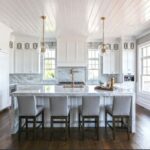
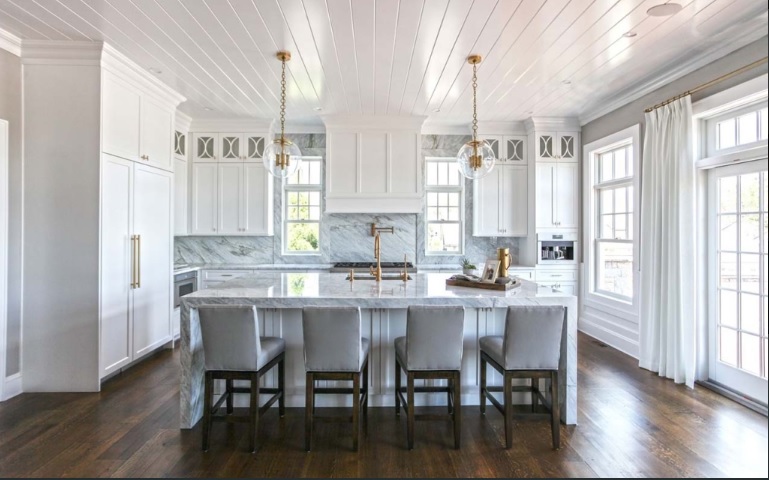
The most common point of friction in a pet-owning household is the feeding station. Loose bowls placed randomly on the floor are a constant tripping hazard and a magnet for spilled water that ruins hardwood flooring. A highly elegant solution is designing a dedicated feeding alcove built directly into the base of the central island or at the end of a run of cabinetry. This recessed space keeps the bowls completely out of the main walking paths. To elevate the convenience further, a dedicated cold water line can be plumbed directly to the alcove, featuring a small pot-filler style tap. This allows you to refill the heavy water bowls instantly without ever having to pick them up and carry them across the room to the main sink.
Storing pet food securely is another major logistical challenge. Forty-pound bags of kibble are heavy, unsightly, and prone to attracting insects or rodents if left unsealed in a utility room. Instead, we can adapt heavy-duty pull-out drawer systems, typically used for household waste bins, to serve as airtight bulk food storage. By lining a deep, gliding drawer with a custom, sealed plastic insert, the kibble is kept incredibly fresh and entirely hidden from view. This arrangement also protects your lower back, as you can simply scoop the food directly from the gliding drawer into the adjacent feeding bowls without bending down to wrestle with a heavy, tearing paper bag every single morning.
Material selection is critically important when designing for animals with sharp claws and messy habits. Traditional hardwood flooring is incredibly susceptible to deep scratching from large dogs running to greet visitors. For a high-traffic, pet-centric home, large-format porcelain tile is a vastly superior choice. Porcelain is completely impervious to water, meaning a spilled bowl or an accidental indoor mess will cause absolutely zero structural damage to the subfloor. Furthermore, the baseboards and lower trim work should be constructed from durable, scrubbable materials rather than soft pine, which is easily dented by wagging tails and frequently chewed by teething puppies. Using a continuous tile baseboard completely eliminates this vulnerability.
Managing the movement of pets while you are cooking with hot liquids or opening the front door requires structural boundaries. Rather than relying on clumsy, temporary plastic gates that damage your doorframes and look terrible, you can integrate high-quality barriers directly into the walls. Pocket doors featuring strong, decorative metal grilles can slide seamlessly out of the wall to block a hallway or secure the cooking zone when necessary. For homeowners eager to incorporate these highly specific modifications, working with experienced CT kitchen designers is a brilliant strategy. These professionals possess the architectural foresight to route plumbing to an island feeding station and the carpentry skills to build sliding pocket gates, ensuring the pet features look like a natural, intentional part of the home rather than a cheap afterthought.
A home that acknowledges and plans for the presence of pets is a significantly calmer, more organized environment. You no longer have to apologize to guests for the messy food bags in the corner or worry about someone tripping over the water dish while carrying hot food. By integrating feeding stations, secure storage, and durable materials directly into the initial design phase, you create a beautiful, highly functional space that respects the needs of every single member of your family, whether they walk on two legs or four.
Conclusion
Integrating pet accommodations directly into your home’s architecture eliminates daily tripping hazards and unsightly clutter. By building dedicated feeding alcoves, installing airtight food storage pull-outs, and choosing scratch-resistant flooring, you create a beautiful, organized environment that keeps your beloved animals safe and comfortable.
Call to Action
Create a beautifully organized home that caters to every member of your family, including your pets. Contact our design experts today to discuss integrating custom, pet-friendly features into your upcoming renovation.