Discover Premium Samurai Gear Crafted for Collectors and Enthusiasts
Why Does Rurouni Kenshin Use a Reverse Blade Sword (Sakabato)? | Full Breakdown of Symbolism, Story, and Real Sakabato Replicas
In the history of Japanese anime, Rurouni Kenshin stands as one of the most unforgettable classics. The story follows Kenshin Himura, once feared as the “Hitokiri Battosai,” a legendary assassin of the Bakumatsu period. After the Meiji Restoration, he abandons killing and chooses a life of redemption. His unwavering conviction is reflected not only in his actions but also in the unique sword he carries—the Sakabato (Reverse Blade Sword).
This article explores why the reverse blade sword is so important, why the anime is worth watching, and why Sakabato katana replicas have become top collectibles among fans and samurai sword enthusiasts.
Is Rurouni Kenshin Worth Watching?
Absolutely—yes.
Rurouni Kenshin blends samurai culture, historical events, emotional storytelling, and iconic swordsmanship. Whether you enjoy action, meaningful themes, or Japanese swords, this is a must-watch classic.
1. Engaging Storyline and Historical Background
Set during the turbulent Meiji Restoration, the anime follows Kenshin Himura as he struggles to leave behind his bloody past as the Hitokiri Battosai. The narrative weaves together authentic Japanese history, samurai ethics (bushido), and intimate human drama.
You get intense battles, political tension, philosophical depth, and heartwarming daily life moments—all carefully balanced to keep viewers invested.
2. Unique and Memorable Characters
Kenshin Himura: Gentle, selfless, yet burdened by the past.
Kaoru Kamiya: Courageous, kind, and Kenshin’s emotional anchor.
Shishio Makoto: One of the most iconic anime villains with real ideological presence.
Each character feels alive, with realistic motivations and genuine growth. Their interactions shape the emotional core of the story, making Rurouni Kenshin one of the most character-driven samurai anime ever created.
3. Stunning Swordsmanship and Action Scenes
Rurouni Kenshin features some of the most beautifully animated sword fights in anime history. The choreography draws heavily from traditional Japanese sword arts such as Battōjutsu and Kenjutsu.
With the reverse blade sword, Kenshin showcases:
Lightning-fast attacks
Fluid, elegant footwork
Defense-oriented techniques
Non-lethal takedowns
Every battle is visually thrilling and emotionally meaningful, emphasizing protection rather than destruction.
4. Deep Themes and Meaningful Messages
Beyond martial arts and swordplay, the series explores:
Redemption
Peace over violence
The morality of killing
Trauma and personal responsibility
What it means to wield strength
Kenshin’s journey asks viewers to reflect on whether true change can come through violence, and what it means to protect others without losing one’s humanity.
I. Kenshin Himura: From Hitokiri to Wandering Protector
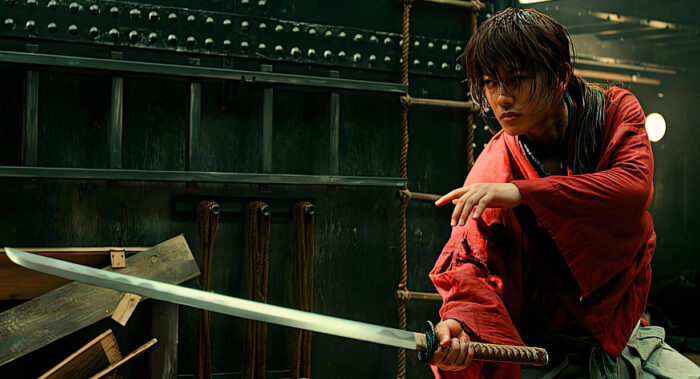
For every true fan of Rurouni Kenshin, the image of a gentle swordsman with a red kimono and a reverse blade sword is unforgettable. His soft “Oro?” may sound silly, but behind the smile lies a dark history.
During the chaotic Bakumatsu era, Kenshin—then known as Hitokiri Battosai—was a feared assassin whose sword changed the course of history. Gifted in strategy and unmatched in swordsmanship, he became an indispensable weapon for the revolutionaries.
Yet, every kill left a deeper wound in his heart.
“Is a peaceful world truly built on bloodshed?”
When the war ended, Kenshin vanished from the battlefield. He abandoned assassination and vowed to never take another life. From then on, he walked Japan as a protector—not a killer.
To ensure he would never revert to killing, he chose a special weapon:
the Sakabato, a reverse blade katana.
“I am no longer Battosai. My sword exists only to protect.”
This conviction defines Kenshin more than any skill or title. Whether facing Shishio Makoto or defending innocent people, he fights with compassion and restraint.
The Sakabato is more than steel—it is Kenshin’s soul made visible.
It carries the weight of his past and the promise of his future.
II. Sakabato (Reverse Blade Sword): A Blade That Cannot Kill
Among all Japanese samurai swords, the Sakabato is one of the most iconic and symbolic weapons ever created in anime.
Its design is simple but revolutionary:
The sharp edge faces inward (toward the wielder)
The flat edge faces outward (toward the opponent)
This means Kenshin can defend, strike, and perform advanced techniques without killing.
The message is powerful:
“True strength is found not in taking life, but in protecting it.”
Through countless battles, the reverse blade sword becomes a witness to Kenshin’s transformation—from a feared assassin into a gentle guardian.
A Collector’s Treasure: Sakabato Katana Replicas
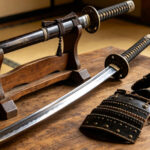
Today, Rurouni Kenshin swords—especially high-end Sakabato replicas—are among the most sought-after anime swords for collectors.
Top sword-making brands such as MangaKatana and COOLKATANA produce stunning replicas featuring:
1095 High Carbon Steel or T10 Steel
Hand-forged katana craftsmanship
Clay-tempered hamon line
Full tang construction
Genuine ray skin (samegawa) & silk-wrapped handle
Hand-polished lacquered saya
Whether for display, cosplay, or collection, owning a Sakabato replica feels like holding a piece of Kenshin’s spirit.
The Modern Significance of the Sakabato
Today, the Sakabato symbolizes more than anime nostalgia.
It represents:
Non-violence
Self-control
Responsibility
Redemption
The courage to choose peace
Many fans collect a reverse blade katana not simply because it looks unique, but because it represents a moral philosophy that still resonates:
“A sword may change the world,
but a compassionate heart can save it.”
III. Symbolism of the Sakabato: Strength Without Killing
Unlike the Nichirin Blades in Demon Slayer or the Zanpakuto in Bleach, Kenshin’s reverse blade sword has no supernatural power. Its meaning is philosophical.
It embodies the core principle of the entire series:
“Strength used with mercy is the greatest strength of all.”
From battles against Shishio Makoto to duels with Enishi Yukishiro, Kenshin proves time and again that conviction—not brutality—wins the day.
IV. Hand-Forged Rurouni Kenshin Sakabato Katana | 1095 High Carbon Steel
Inspired by Kenshin’s legendary sword, this handcrafted Sakabato replica is a fusion of art, tradition, and storytelling.
Reverse Blade Design – Symbol of Redemption
The sharpened edge sits on the spine, allowing devastating techniques without lethal intent—just like Kenshin himself.
Premium Forging Craftsmanship
Forged from 1095 High Carbon Steel, the blade undergoes:
Quenching (Hardening)
Heated to ~800–900°C
Rapidly cooled in oil
Produces extreme hardness and edge durability
Tempering
Reheated to 200–250°C
Slowly cooled
Reduces brittleness
Improves toughness and flexibility
This process creates a strong, beautiful blade with a natural hamon line.
Authentic Samurai Aesthetics
Full tang structure
Genuine ray skin handle
Silk-wrapped ito
Polished wooden saya
Traditional iron tsuba
It feels like a sword crafted straight from the world of Rurouni Kenshin.
V. The Influence of Rurouni Kenshin and the Legacy of the Sakabato
Rurouni Kenshin is more than a shonen adventure—it is a story about peace, forgiveness, and moral strength. Kenshin Himura remains one of the most iconic samurai characters of all time, inspiring thousands of fans and collectors.
This is why Rurouni Kenshin sword replicas have become popular gifts, collector pieces, and display items. They honor not only Kenshin’s legacy but also the ideals of protection over violence.
Conclusion: One Sword, One Conviction, One Wanderer’s Legend
Rurouni Kenshin teaches us that true strength is not measured by the ability to kill, but by the courage to protect.
The Sakabato (Reverse Blade Sword) embodies this conviction.
For fans, collectors, and lovers of samurai culture, a Kenshin reverse blade katana is not merely a weapon—it is a symbol of philosophy, compassion, and redemption.
It is a reminder that even after the darkest past, a person can choose the light.