European Sword for Collecting and Display — Glamdring with Rosewood
What is the Traditional European Sword?
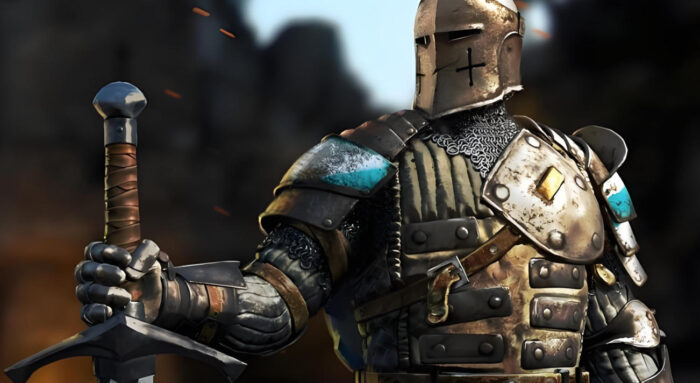
Traditional European swords
were widely used by knights and soldiers from the Middle Ages to the Renaissance. Typically, they feature a steel blade, guard, and hilt. These swords served not only as powerful weapons but also as symbols of status and honor.
Depending on the era and purpose, European swords were categorized into longswords, arming swords, dueling swords, and others. Known for their sharp edge, balanced design, and durable construction, they excelled in cutting, thrusting, and parrying. Knights trained extensively in swordsmanship and sword arts, mastering their use for both battlefield and ceremonial purposes.
Famous swords in literature and legend—such as Aragorn’s sword in The Lord of the Rings—highlight the cultural and symbolic significance of these weapons, representing heroism, justice, and legacy.
1. The Historical Origin and Development of European Swords
European swords trace their roots back to the Bronze Age, evolving through the Iron Age, the era of medieval knights, and into the Renaissance. Each period brought innovations in materials, blade geometry, and intended use.
Medieval dueling swords emphasized agility and thrusting.
Knightly longswords balanced cutting power with defensive versatility.
Studying these variations reveals how European swords were integral not only to warfare but also to noble culture and identity.
2. The Forging Craft of European Swords
A true European sword is the result of meticulous craftsmanship. Traditional forging involves:
Material selection
Hammering and folding
Quenching and tempering
Fine polishing
Swordsmiths trained for years through apprenticeships to perfect their craft. Each stage influences the sword’s sharpness, durability, balance, and handling—qualities essential for swordsmanship training.
High-quality blades often use folded steel and advanced heat treatment, combining strength with resilience. Once polished, the blade gleams with unique textures and patterns, admired by both warriors and collectors.
The hilt, guard, and scabbard are crafted with equal precision, designed for comfort and reliability. Modern smiths blend ancient traditions with modern metallurgical techniques, ensuring swords remain both functional and aesthetically striking.
3. Sword Training and Practical Application
European swords were never just for display—they were practical weapons. Knights trained extensively in sword arts, focusing on precision, defense, and endurance. They mastered both single-sword combat and dual-sword techniques, preparing for varied battlefield scenarios.
Today, enthusiasts continue the tradition through dueling practice, historical reenactments, and even cross-cultural sword arts. For instance:
Dueling sword training refines control, movement, and technical skill.
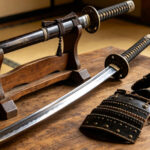
Kenjutsu-inspired practice adds rhythm, breathing, and mindfulness to training.
Using high-quality replicas such as Aragorn’s sword or Glamdring sword replicas enhances immersion, allowing practitioners to feel the weight, balance, and power once wielded by knights.
Clubs and dojos now integrate sword training with historical and cultural education, making the experience both safe and meaningful.
4. The Cultural Symbolism of European Swords
Beyond warfare, European swords symbolized honor, chivalry, and legacy.
In literature and film, swords often embody justice and heroism. For example, Aragorn’s sword Narsil in The Lord of the Rings represents kingship, responsibility, and courage.
In medieval society, owning a fine sword marked a knight’s status and prestige. Many became treasured heirlooms, adorned with engravings and passed down through generations.
Modern collectors celebrate this symbolism by displaying Glamdring replicas or Aragorn’s sword replicas, keeping alive the cultural essence of knightly courage and loyalty.
5. Collecting and Display
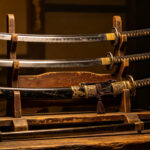
Collectors value European swords not only for their historical resonance but also for their craftsmanship and artistry. Balance, grip, and blade quality remain key considerations.
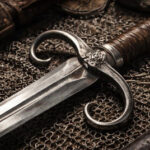
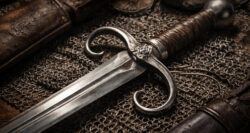
Take, for example, the Hand-Forged European Sword Glamdring, 1095 Folded Steel with Rosewood Handle:
Forged from high-carbon folded steel with multiple quenching and polishing cycles for strength and sharpness.
A rosewood handle for comfort and stability.
A carefully crafted guard and scabbard that blend aesthetics with practicality.
Whether showcased in a collection, used in reenactments, or displayed as a centerpiece, this Glamdring sword replica reflects both history and artistry.
6. The Modern Appeal of European Swords
Today, European swords captivate enthusiasts worldwide. They are prized for:
Collecting & display
Sword arts training
Historical reenactments
Film and stage performances
Owning a sword like Aragorn’s sword or Glamdring allows collectors to connect with timeless legends while appreciating the artistry of traditional forging.
Conclusion
European swords are more than weapons—they are enduring symbols of history, craftsmanship, and heroism. From medieval knights to modern collectors, they embody courage, artistry, and cultural legacy.
The Hand-Forged European Glamdring Sword (1095 Folded Steel, Rosewood Handle) is a testament to this tradition, offering both beauty and strength. Whether for training, collecting, or display, it keeps alive the spirit of European sword culture for generations to come.
→ SHOP NOW
Hand Forged European Sword Glamdring Sword 1095 Folded Steel Rosewood Handle