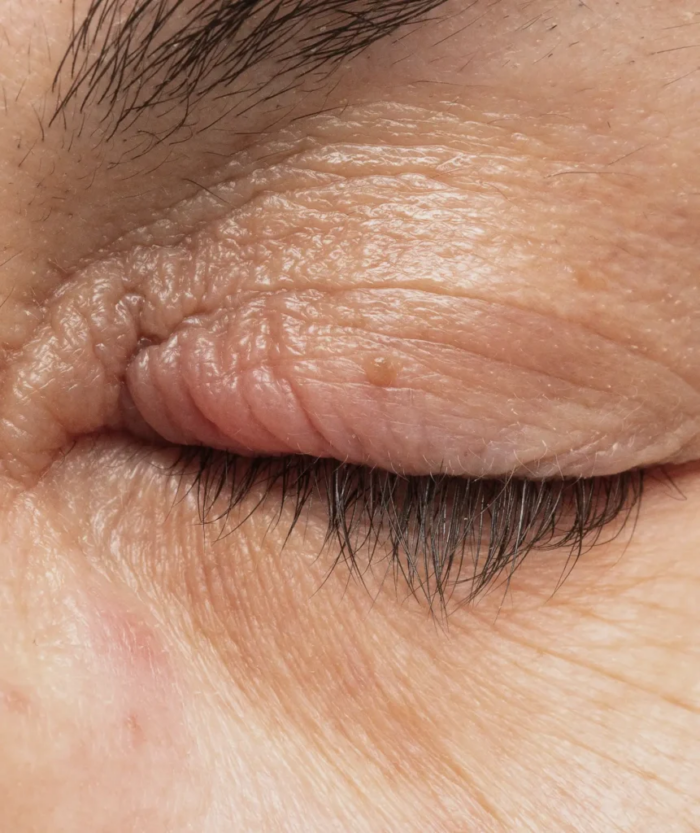
Eyelid Xanthelasma Removal: Understanding the Root Cause
Eyelid xanthelasma can be both a cosmetic concern and a subtle indicator of underlying health factors. These soft, yellowish deposits typically appear around the eyelids and may gradually become more noticeable over time. While they are usually harmless, their presence often prompts individuals to seek solutions that restore a clear and youthful appearance. Many people explore Eyelid Xanthelasma Removal in Dubai as a way to address both aesthetic concerns and the possible internal imbalances that contribute to their formation. Understanding what causes these deposits is the first step toward managing and preventing them effectively.
What Is Eyelid Xanthelasma
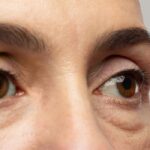
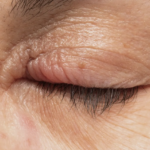
Xanthelasma refers to cholesterol-rich plaques that develop beneath the skin, most commonly around the inner corners of the eyelids. These deposits are flat or slightly raised and tend to have a yellow or pale hue. Although they are non-cancerous and painless, they can create a tired or aged appearance, which often leads individuals to look for removal options.
Unlike other skin conditions, xanthelasma is closely linked to lipid metabolism. It is not simply a surface-level issue but often reflects deeper physiological processes within the body. This makes understanding its root cause especially important for long-term management.
The Root Cause Behind Xanthelasma Formation
The primary cause of xanthelasma is the accumulation of lipids, particularly cholesterol, under the skin. This buildup occurs when the body has difficulty processing fats efficiently. While not everyone with xanthelasma has high cholesterol, a significant number of cases are associated with elevated lipid levels.
Genetics also plays a major role. Some individuals may develop xanthelasma even with normal cholesterol levels due to inherited metabolic tendencies. In such cases, the body may naturally deposit lipids in localized areas like the eyelids.
Other contributing factors include liver function irregularities, metabolic conditions, and lifestyle habits. Diets high in saturated fats, lack of physical activity, and smoking can all increase the likelihood of lipid accumulation, leading to visible deposits on the skin.
Common Risk Factors You Should Know
Several risk factors increase the chances of developing eyelid xanthelasma. Age is one of the most common, as lipid metabolism tends to slow down over time. Middle-aged and older adults are more likely to notice these deposits.
Gender can also influence occurrence, with some studies suggesting a slightly higher prevalence in women. Additionally, individuals with conditions like hyperlipidemia or metabolic syndrome are at greater risk.
Lifestyle choices play a critical role as well. Poor dietary habits, obesity, and sedentary routines contribute significantly to lipid imbalances. Smoking and excessive alcohol intake can further disrupt metabolic processes, increasing the likelihood of xanthelasma formation.
Why Addressing the Root Cause Matters
Focusing only on the visible deposits without addressing the underlying cause may lead to recurrence. While removing xanthelasma can improve appearance, it does not automatically correct internal imbalances.
By identifying and managing the root cause, individuals can reduce the chances of new deposits forming. This involves maintaining healthy cholesterol levels, adopting a balanced diet, and engaging in regular physical activity.
Understanding the connection between skin manifestations and internal health empowers individuals to take a more comprehensive approach. It shifts the focus from temporary fixes to sustainable, long-term solutions.
Modern Approaches to Eyelid Xanthelasma Removal
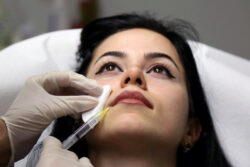
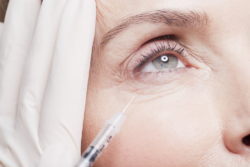
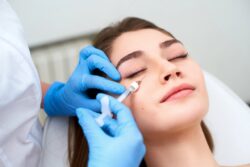
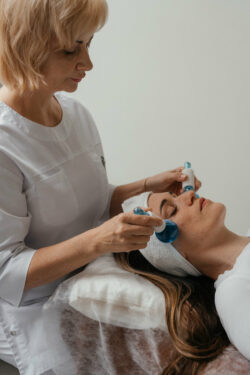
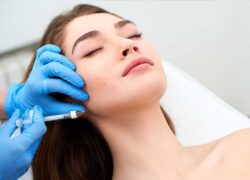
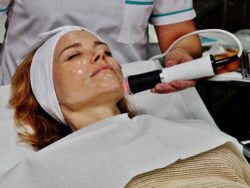
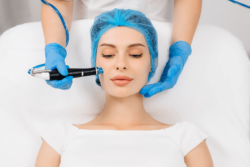
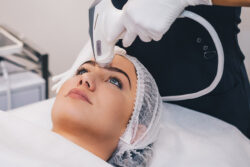
There are several advanced methods available today for addressing xanthelasma. These techniques focus on safely eliminating the deposits while minimizing damage to the surrounding skin.
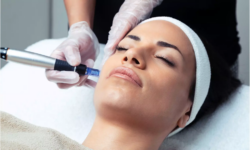
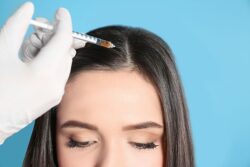
Non-invasive and minimally invasive procedures are often preferred due to their precision and reduced downtime. These methods target the lipid deposits directly, breaking them down or removing them layer by layer.
The choice of method depends on factors such as the size, depth, and location of the xanthelasma. Personalized approaches tend to yield the most effective and natural-looking results.
Lifestyle Adjustments to Prevent Recurrence
Even after successful removal, maintaining results requires consistent lifestyle changes. A heart-healthy diet rich in fruits, vegetables, and whole grains can help regulate cholesterol levels.
Regular exercise improves metabolism and supports overall cardiovascular health. Incorporating physical activity into daily routines can significantly reduce the risk of lipid buildup.
Hydration and proper skin care also contribute to healthier skin. Avoiding smoking and limiting alcohol intake further supports metabolic balance, reducing the likelihood of recurrence.
The Psychological Impact of Xanthelasma
Beyond physical appearance, xanthelasma can affect self-confidence and emotional well-being. Visible skin conditions, especially on the face, often influence how individuals perceive themselves.
Addressing xanthelasma can lead to improved self-esteem and a more positive self-image. Feeling comfortable in one’s appearance plays a crucial role in overall quality of life.
Understanding that this condition is manageable provides reassurance. With the right approach, individuals can regain both confidence and control over their skin health.
Importance of Early Awareness and Action
Recognizing xanthelasma early allows for timely intervention. Small deposits are often easier to manage and respond better to treatment compared to larger, more established plaques.
Early awareness also provides an opportunity to assess underlying health factors. Monitoring cholesterol levels and making necessary lifestyle adjustments can prevent progression.
Proactive care not only improves outcomes but also minimizes the need for more extensive interventions in the future.
Holistic Approach to Skin and Health
Xanthelasma serves as a reminder that skin health is closely linked to internal well-being. Treating it effectively requires a balance between external care and internal management.
A holistic approach considers dietary habits, physical activity, and overall lifestyle. It emphasizes prevention as much as treatment, ensuring long-lasting results.
By addressing both the visible and underlying aspects, individuals can achieve healthier skin and improved overall wellness.
Book Us
If you are looking for a reliable solution that combines expertise with personalized care, now is the time to take action. Whether your concern is cosmetic or health-related, Eyelid Xanthelasma Removal can help restore clarity and confidence to your appearance when approached correctly. At Enfield Royal Clinic Dubai, we focus on delivering tailored solutions that align with your unique needs, helping you achieve smoother, clearer skin while addressing the root cause effectively.